


The Silent Start of Dental Disease
Pet dental disease, also known as periodontal disease, is one of the most common conditions affecting cats and dogs, with studies showing a majority have some form of it by age three. It begins with plaque, a soft, sticky film of bacteria that forms on the teeth
after eating. If not removed, this plaque hardens into tartar, a rough, brownish substance that irritates the gums. This initial stage, called gingivitis, causes red, swollen, and sometimes bleeding gums. The problem is that many pets are masters at hiding pain and discomfort due to their natural survival instincts. They may continue eating and playing normally, giving owners no obvious reason to suspect anything is wrong.
From Gums to Organs: A Dangerous Journey
The real danger begins when the disease progresses. Untreated gingivitis allows bacteria to multiply beneath the gum line, creating pockets of infection that damage the tissues and bone supporting the teeth. At this point, the compromised gums are no longer a strong barrier. The harmful bacteria can easily enter the pet's bloodstream through the inflamed tissue. This process is known as bacteremia. Once in circulation, these bacteria don't just disappear; they travel throughout the body, setting the stage for serious health complications far from the original source of infection.
Which Vital Organs Are At Risk?
The bacteria that escape from the mouth frequently target the body's vital organs, which are responsible for filtering blood and maintaining overall function. The primary organs at risk are the heart, kidneys, and liver. Bacteria can attach to the heart valves, causing inflammation and a serious condition called endocarditis. The kidneys and liver, which work tirelessly to filter toxins from the blood, can become overwhelmed and damaged by the constant flow of oral bacteria, potentially leading to chronic kidney or liver disease. For pets, especially older ones or those with pre-existing conditions, this added systemic stress can significantly shorten their lifespan and diminish their quality of life.
Spotting the Subtle Warning Signs
Since pets often hide their pain, owners must become detectives, looking for subtle clues of dental distress. Persistent bad breath is one of the earliest and most common signs of a problem. Other red flags include red, swollen, or bleeding gums, and visible tartar buildup. You might notice changes in their eating habits, such as dropping food, chewing only on one side of the mouth, or a sudden reluctance to eat hard kibble. Some pets may paw at their face, drool more than usual, or become irritable and less interested in playing with their favorite chew toys. Any of these signs warrant a discussion with your veterinarian.
Prevention Is the Best Medicine
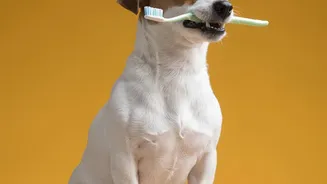
The good news is that dental disease is largely preventable. The most effective method of home care is regular tooth brushing with a toothpaste specifically designed for pets. If brushing isn't possible, dental diets, chews, water additives, and oral rinses can also help reduce plaque buildup. However, home care alone isn't always enough. Regular veterinary check-ups are crucial. A professional cleaning under anaesthesia is the only way to remove tartar below the gum line and fully assess the health of your pet's mouth with tools like dental X-rays. Working with your vet to create a dental care plan is the best way to protect your pet's oral and overall health.