


A Stitch in Time
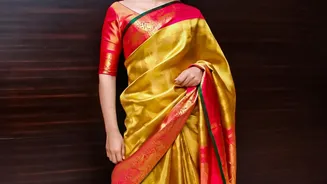
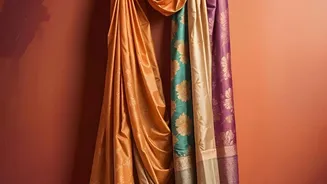
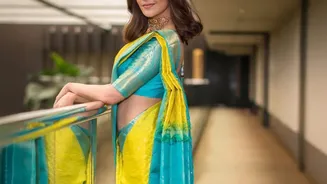
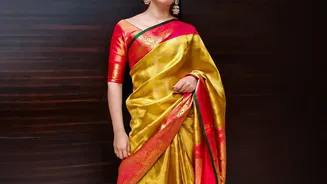
A quiet but powerful trend is taking hold among India's young and stylish. The practice involves taking old, often sentimental, silk sarees and giving them a second life as chic, contemporary co-ord sets. This isn't just about simple recycling; it's a creative
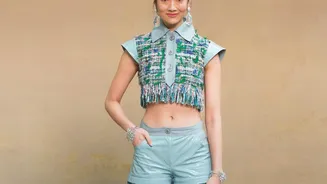
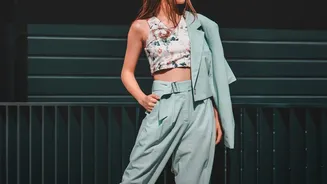
act of transformation. What was once a six-yard drape, perhaps worn by a mother or grandmother at a long-ago wedding, is now finding new form as a breezy top with matching trousers, a stylish jacket paired with a skirt, or a trendy corset top. This movement blends respect for heritage with a modern sartorial sensibility, creating outfits that are both deeply personal and fashionably current.
More Than Just Fabric
The appeal of this trend runs deeper than aesthetics. For many, upcycling a family heirloom is an emotional act. These sarees are vessels of memory, carrying the stories of the women who wore them. Instead of letting these beautiful textiles languish in storage, young fashion enthusiasts are choosing to celebrate their legacy by wearing them in a new way. It's a way to keep a piece of their family history close, transforming a garment that might feel too traditional for daily wear into something that fits their contemporary lifestyle. This act of repurposing preserves not just the fabric but also the sentimental value woven into every thread.
The Sustainable Statement
Beyond the personal connection, the upcycling movement is a powerful nod to sustainable living. The fashion industry is a major contributor to textile waste, and this trend offers a direct and stylish counter-action. By giving an old saree a new purpose, consumers reduce the demand for new production and keep valuable materials out of landfills. For a generation increasingly conscious of its environmental impact, choosing to upcycle is a deliberate and meaningful decision. It proves that style and sustainability can go hand-in-hand, making a statement that is both eco-friendly and effortlessly chic.
From Saree to Ensemble
The transformation from saree to co-ord set is a journey of creative reimagining. The process often involves a collaboration with a local tailor or a specialised designer who understands how to work with the delicate fabric and intricate patterns of a silk saree. The rich pallu, often the most ornate part of the saree, might become the front of a statement top or jacket. The borders can be used to detail cuffs or hemlines, while the main body of the fabric is fashioned into skirts, palazzo pants, or shorts. The result is a one-of-a-kind outfit that can't be found in any high-street store, offering a level of uniqueness that is highly prized in today's world of fast fashion. Numerous designers and labels are now championing this trend, offering services to custom-make garments or selling ready-to-wear pieces created from sourced vintage sarees.
A Bridge Between Generations
Ultimately, the trend of turning vintage sarees into co-ord sets is more than a fleeting fashion moment. It represents a cultural bridge, connecting the traditions of the past with the aspirations of the future. It allows young Indians to engage with their heritage on their own terms, finding modern relevance in timeless craftsmanship. It redefines the concept of an heirloom, suggesting that the best way to honour a precious item is not to store it away, but to infuse it with new life and create new memories while wearing it. This fusion of old and new celebrates individuality, creativity, and a conscious approach to consumption.