





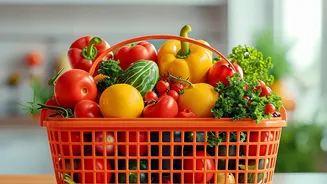

Experience Peak Flavour and Freshness
Produce that is harvested in its natural season is allowed to ripen fully on the vine or tree, developing its complete flavour profile. This is why a carrot pulled from the ground in October tastes sweeter and juicier, and a pomegranate bursts with a deeper,
more complex taste. Out-of-season produce is often picked early and transported over long distances, which means it never reaches its peak. When you buy seasonal food, you are buying it at its absolute best. The taste is richer, the aromas are more potent, and the textures are just right, making every dish you cook more vibrant and delicious without needing complex flavourings.
A Boost in Nutritional Value
The nutritional content of fruits and vegetables is highest right after they are harvested. Nutrients like Vitamin C and certain antioxidants begin to degrade over time, especially during long transit and storage. By choosing produce that is in season, you are getting food that is not only fresher but also more nutrient-dense. October marks the shift from monsoon to winter, a time when our bodies can use an immune boost. Seasonal vegetables like spinach, cauliflower, and carrots, and fruits like amla and guava, are packed with vitamins and minerals that support the body's defences against seasonal changes. For instance, some studies have shown that broccoli grown in its peak season can have nearly double the vitamin C of its off-season counterpart.
What’s in Season This October in India
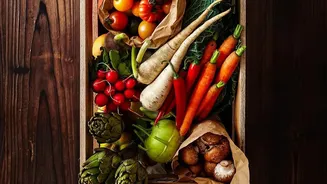
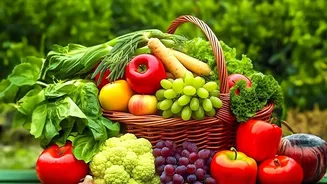
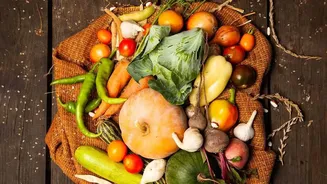
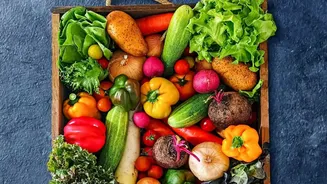
As India transitions into the post-monsoon and early winter period, markets fill with an abundance of fresh produce. While availability can vary by region, here are some of the stars of October. For vegetables, look for the first of the winter carrots (gajar), cauliflower (gobi), spinach (palak), radish (mooli), sweet potatoes (shakarkandi), and peas (matar). For fruits, this is the perfect time for pomegranates (anar), custard apples (sitaphal), guava (amrud), and the early harvest of Indian gooseberry (amla). These ingredients form the backbone of traditional Indian autumn cuisine, providing the perfect base for everything from hearty curries to nutritious juices.
Lighter on Your Wallet
Simple economics makes seasonal eating a budget-friendly choice. When a particular fruit or vegetable is in season, it is abundant and readily available in local markets. This surplus drives prices down, making it much more affordable than produce that has been shipped from far away or grown in artificial conditions. Farmers have lower costs as the crops require fewer interventions, and the reduced transportation and storage expenses are passed on to you. Stocking your kitchen with these affordable, high-quality ingredients allows you to cook generously and healthily without straining your monthly food budget.
Simplified Meal Planning
Having a world of produce available year-round can sometimes lead to decision fatigue. Embracing a seasonal pantry naturally narrows your choices, making meal planning simpler and more creative. Instead of wondering what to cook from an endless list, you can focus on a handful of fresh, flavourful ingredients. This encourages you to build meals around what is best right now. Think of comforting aloo gobi with fresh cauliflower, vibrant palak paneer, or crisp mooli parathas. A simple pomegranate raita can elevate any meal, while a carrot kheer becomes a seasonal dessert. This rhythm of cooking not only makes daily decisions easier but also connects you more deeply to the food you eat.
A Greener Choice for the Planet
Choosing seasonal and local produce significantly reduces your environmental footprint. Food that travels long distances requires extensive transportation, refrigeration, and storage, all of which consume energy and contribute to carbon emissions. In fact, research shows that transportation accounts for a significant portion of food-related emissions. Furthermore, out-of-season produce may require more chemical inputs to grow and preserve. By buying what's grown nearby and in its natural season, you are supporting a more sustainable food system, reducing food waste along the supply chain, and backing local farmers who are the backbone of our communities.