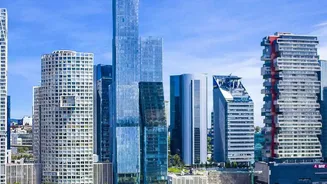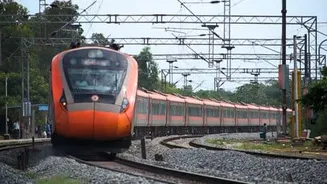







The New Urban Proving Ground
For decades, cities were built with a certain climate in mind—predictable rainfall, manageable summer heat, and winter storms within a known range of severity. That era is over. Today, our urban centers are being subjected to a relentless stress test,
pushed to their limits by weather events that planners of the past could scarcely imagine. The summer of 2026 has already seen dangerous heatwaves across Europe, India and the Americas. This isn't just about uncomfortable days; it's about whether the fundamental systems that support urban life—power grids, water systems, transport networks, and housing—can withstand the pressure.
Trial by Fire and Heat
Extreme heat is one of the most direct and dangerous ways climate change is testing cities. Urban areas, with their vast expanses of asphalt and concrete, create 'heat islands' that are significantly warmer than surrounding rural areas. This year has seen record-high nighttime temperatures in parts of South Asia, increasing the risk of heatstroke and placing unprecedented strain on power grids as demand for cooling soars. When the power grid fails during a heatwave, the consequences can be fatal. This stress test exposes social inequalities, as the most vulnerable populations often live in areas with less green space and have limited access to air conditioning.
When the Drains Can't Cope
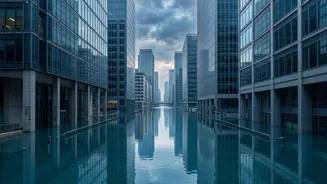
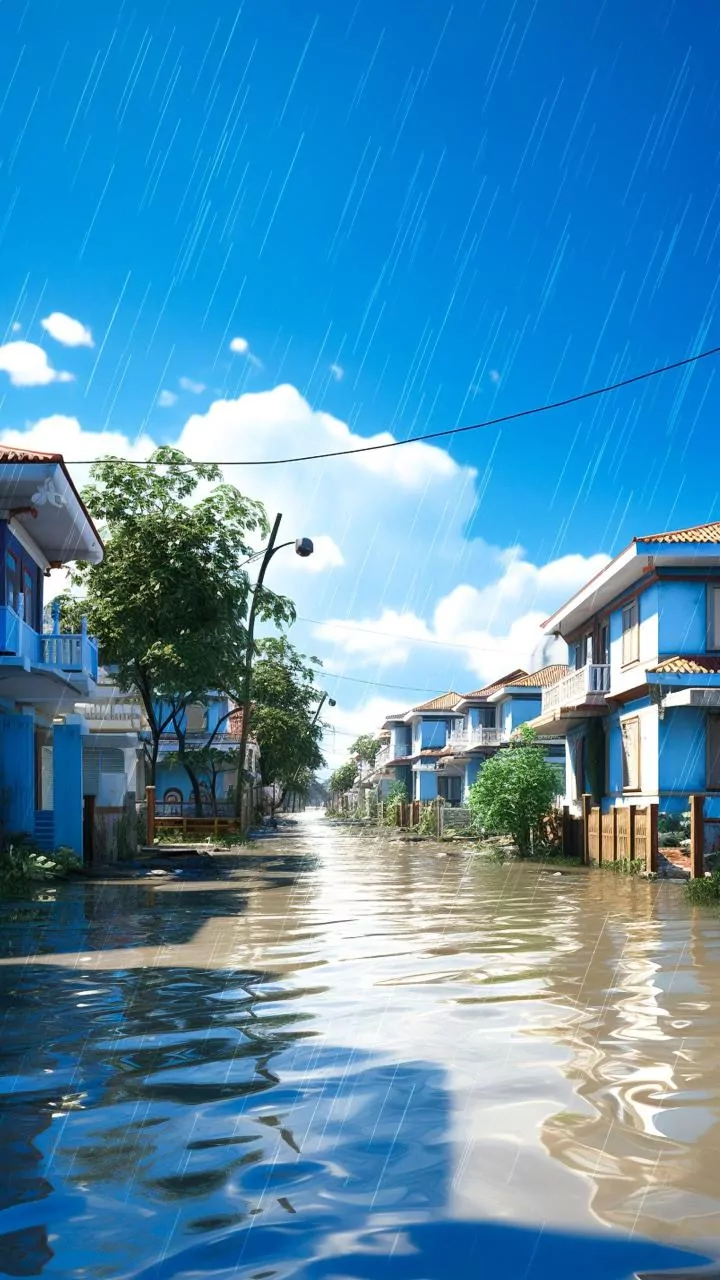
At the other extreme is water. Cities from New York to New Delhi are experiencing a crisis of urban flooding, where intense rainfall overwhelms decades-old drainage systems. Roads become rivers, subways turn into water-filled tunnels, and homes are inundated. The problem is twofold: climate change is causing more intense, concentrated downpours, while rapid, often unplanned urbanisation has replaced permeable soil with impermeable concrete, leaving the water with nowhere to go. This 'climate whiplash'—swinging between drought and flood—is becoming a defining challenge for urban planners.
India's Urban Crucible
For India, these global challenges are magnified. With some of the world's most densely populated and rapidly growing urban areas, the stakes are incredibly high. Cities like Mumbai, Delhi, and Chennai are already grappling with the combined threats of extreme heat, water scarcity, and monsoon flooding that regularly brings life to a standstill. While cities like Mumbai have adopted ambitious Climate Action Plans aiming for net-zero emissions by 2050, the challenge lies in implementation and upgrading infrastructure that is already under immense strain. Initiatives like 'cool roof' programs in Delhi and Chennai are innovative, but they highlight the scale of the task ahead.
The Race to Build Resilience
The stress tests are failing many cities, but they are also sparking a race to adapt. Around the world, urban leaders are recognising that the old playbook is obsolete. Innovative solutions are emerging, from Berlin's 'Sponge City' concept, which uses green spaces and wetlands to absorb rainwater, to Medellín's 'green corridors' that have helped lower city temperatures. Barcelona has increased its tree coverage to combat heat and drought. Ahmedabad was one of the first Indian cities to develop a Heat Action Plan, an early warning system that has reportedly helped reduce heat-related deaths. These efforts show a growing understanding that resilience is not just about building higher flood walls, but about fundamentally redesigning cities to work with nature, not against it.