






Fueling the Farm Itself
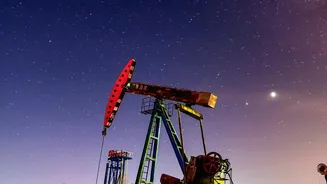
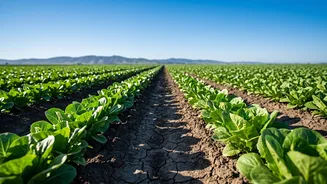
Modern agriculture is deeply intertwined with energy. Before any food begins its journey to your plate, it starts on a farm that runs on fuel. Tractors and combine harvesters used for ploughing, planting, and harvesting primarily consume diesel. Irrigation
systems, which are crucial for watering crops in many parts of India, are often powered by diesel pumps or electricity generated from other fossil fuels. When crude oil prices surge, the cost of diesel rises in tandem, immediately increasing the operational expenses for farmers. This directly translates to a higher cost of cultivation for everything from wheat and rice to vegetables and fruits, a cost that eventually gets passed down the supply chain.
The Critical Fertiliser Connection
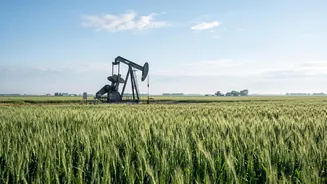
One of the most significant but least visible links between energy prices and food costs is fertiliser. The production of nitrogen-based fertilisers like urea and ammonia is an extremely energy-intensive process that relies heavily on natural gas, the price of which is often linked to crude oil. Natural gas can account for up to 80% of the production cost of ammonia, a key ingredient in these fertilisers. When energy prices spike, fertiliser production becomes more expensive. Farmers then face a difficult choice: either absorb the higher cost, which erodes their profits, or use less fertiliser. Using less fertiliser often leads to lower crop yields, which tightens food supplies and can drive prices even higher in the long run. Since India imports a significant portion of its fertilisers and raw materials, it is particularly vulnerable to these global price shocks.
The Journey from Farm to Store
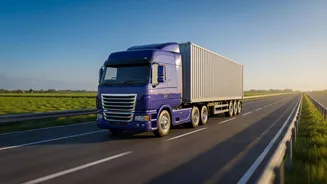
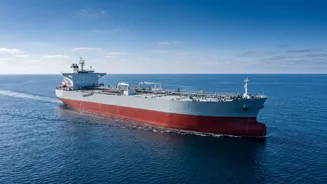
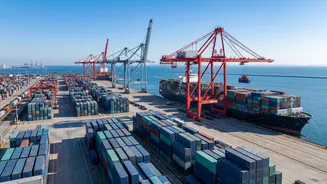
The price of oil has a direct and obvious impact on transportation costs. Every single food item you buy has been transported, often multiple times—from the farm to a processing plant, from the plant to a warehouse, and finally to your local grocery store. This entire logistics network runs on diesel. When fuel prices go up, this creates a 'transportation tax' on every crate of produce and every packet of grain. Refrigerated transport, essential for fresh produce, dairy, and meat, is even more energy-intensive and sensitive to fuel price hikes. These increased freight charges are a major driver of food inflation that consumers see at the checkout.
Powering the Food Factory
Beyond the farm and the highway, energy plays a crucial role in food processing and packaging. Once crops are harvested, they need to be cleaned, milled, pasteurised, or otherwise processed into the products we buy. These industrial facilities are heavy consumers of energy. Higher electricity and gas prices push up the overheads for food manufacturers. Furthermore, many forms of packaging, especially plastics, are petrochemical products derived directly from crude oil. So, when oil prices rise, the cost of producing everything from a bag of chips to a bottle of cooking oil increases. These costs are ultimately passed on to retailers and, in turn, to the consumer, adding another layer to the final price on the shelf.