


The Statement That Rocked the Boat
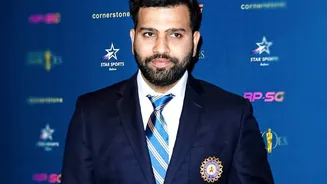
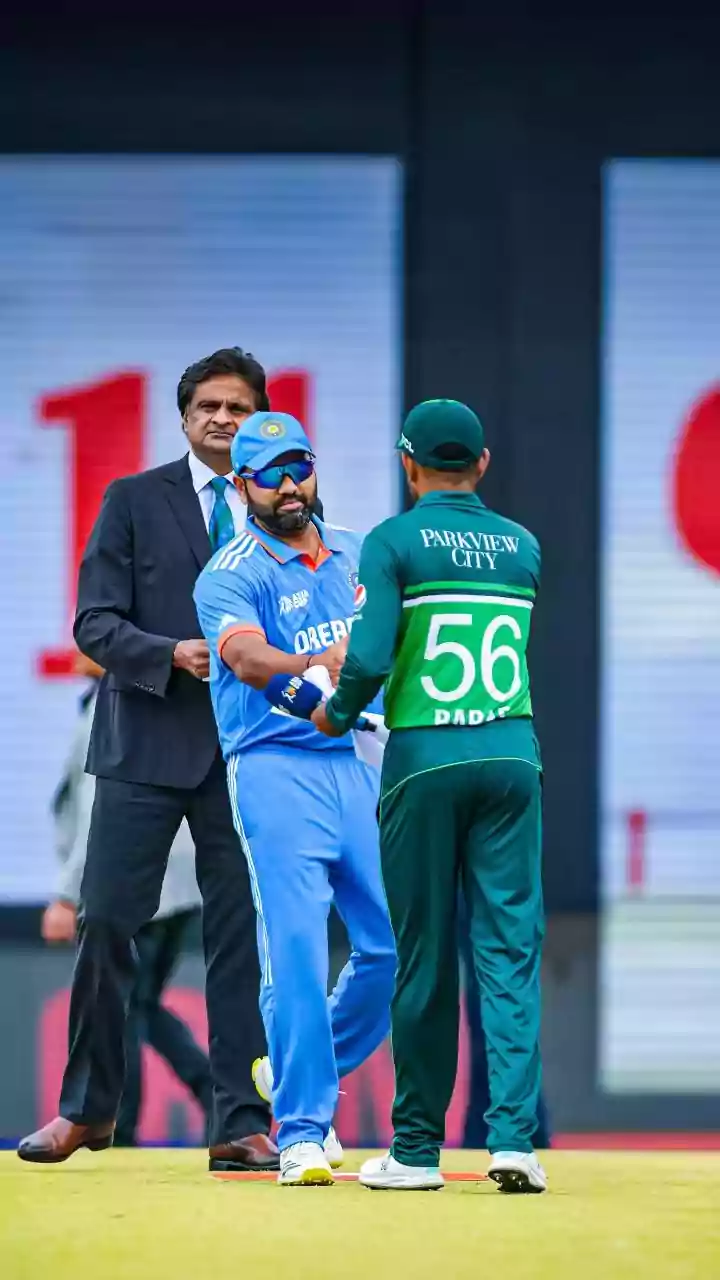
The controversy began in July 2026, during India's tour of England. Media speculation was rampant that former captain Rohit Sharma was on the verge of being phased out of the One-Day International team. Reports suggested that the selection committee,
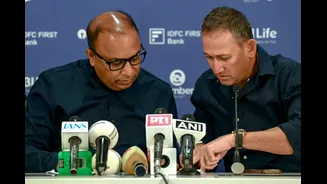
with an eye on the 2027 World Cup, had informed the veteran opener that his time was up. As rumours of his impending retirement after the Lord's ODI reached a fever pitch, BCCI secretary Devajit Saikia stepped in. In a firm public declaration, Saikia dismissed the speculation entirely, stating that no such discussions about Rohit's final match had taken place and that the 'Hitman' would continue to play as long as he was in the “scheme of things”.
Undermining The Selectors' Vision
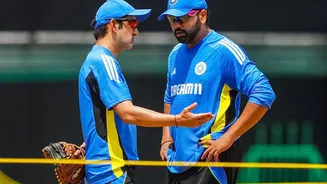
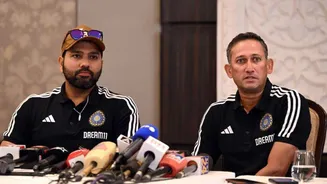
Saikia’s comments were intended to quell public chatter, but they reportedly had the opposite effect internally. The national selection committee, led by chairman Ajit Agarkar, was left feeling blindsided and unhappy. According to multiple reports, the selectors and the team management, including head coach Gautam Gambhir, had already communicated their vision to Rohit, which involved giving opportunities to younger players like Yashasvi Jaiswal. Saikia’s public assurance was seen as a direct contradiction of the selectors' authority and their strategic planning for the future. It created the perception that the established process of team selection had been bypassed, with a board official publicly overruling a decision made by the body appointed for that very task.
A Question of Protocol and Power
This incident highlights a significant power struggle within the BCCI. The selection committee is meant to operate independently in choosing the team, while the board's office bearers handle administration and policy. When an official like the secretary publicly guarantees a player's spot, it blurs those lines. Reports suggest the selectors felt their position was undermined, creating friction between them and the board's top officials. It raised questions about whether all players are judged by the same criteria or if senior, influential figures like Rohit Sharma receive 'special treatment'. Rohit himself was reportedly unhappy with how the selectors had communicated their decision to him just before a crucial match.
Rohit Responds with the Bat
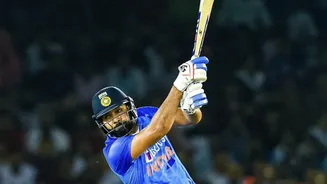
Caught in the middle of this administrative crossfire, Rohit Sharma delivered the most potent response possible: a masterful century. In the very match at Lord's that was rumoured to be his last, he scored a brilliant 138. While India didn't win the game, Rohit’s performance was a powerful statement of his form and intent. It silenced many critics and, in a way, vindicated the BCCI's public backing. This spectacular innings complicated matters for the selectors, making it significantly harder to justify dropping a player who had just proven his mettle so emphatically on a grand stage. It effectively turned the pressure back onto the selectors and their long-term plans.
An Uneasy Truce and an Uncertain Future
The fallout from this episode is still unfolding. As of mid-August 2026, reports indicate that the BCCI leadership is scheduled to meet with chief selector Ajit Agarkar following the Sri Lanka Test series. On the agenda are discussions about Agarkar's potential contract extension and, crucially, a resolution to the Rohit Sharma situation. The board is now believed to be advocating for a “series-by-series” assessment of Rohit's future, a compromise that stops short of the selectors' initial plan to move on completely. Rohit, meanwhile, has reportedly made his desire to play in the 2027 World Cup clear to board officials, adding another layer to the delicate negotiations ahead.