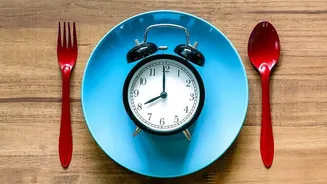







Your Body’s Master Clock
Deep inside your brain is a master clock known as the circadian rhythm. This internal 24-hour cycle governs nearly every bodily function, from sleep and wakefulness to hormone release and digestion. It's synchronized primarily by light and darkness, telling
your body when to be active and when to rest. Your metabolism is a key player in this orchestra. During the day, when your body expects activity and food, it's primed to efficiently process nutrients and burn energy. At night, as melatonin levels rise to promote sleep, your digestive system and metabolic rate naturally slow down.
How Shift Work Creates a Mismatch
Shift work forces you to live out of sync with this natural rhythm. Exposure to light at night, sleeping during the day, and eating when your body is programmed for rest creates a state of chronic circadian misalignment. This mismatch sends confusing signals throughout your body. Even after years on the job, most shift workers never fully adapt. Studies show this disruption is a major health risk, strongly linked to a higher likelihood of obesity, type 2 diabetes, high blood pressure, and metabolic syndrome. Eating at night, in particular, has been shown to impair glucose tolerance and reduce the function of insulin-producing cells in the pancreas.
The Power of Circadian-Aligned Eating
This is where meal timing comes in as a protective strategy. Circadian-aligned eating, a form of time-restricted eating (TRE), involves confining your food intake to a specific window, ideally during daylight hours when your metabolism is most active. The goal is to realign your body’s peripheral clocks—like those in your liver and gut—with your brain's master clock, even when your work schedule is reversed. Research suggests that by simply restricting meals to the daytime, shift workers can prevent the blood sugar spikes and impaired glucose control associated with night work. It's a powerful intervention that focuses on the timing of your meals, not necessarily calorie restriction.
A Practical Meal Plan for Night Shifts
Applying this can seem tricky, but it's about shifting your main nutritional intake away from the overnight hours. A practical framework could look like this: have your main, most substantial meal before your shift begins, during the late afternoon or early evening. This meal should be balanced with protein, healthy fats, and complex carbohydrates for sustained energy. During the first half of your shift, if you feel hungry, opt for a small, protein-rich snack like Greek yogurt, nuts, or a hard-boiled egg. It's crucial to avoid large, heavy, or sugary meals in the middle of the night, especially between midnight and 6 a.m., when your body is least prepared to digest food efficiently. After your shift, have a light, sleep-friendly snack or small meal to avoid going to bed hungry, which can disrupt sleep.
Beyond Food: Supportive Habits Matter
While meal timing is a cornerstone, other habits can amplify the benefits. Strategic caffeine use is important; enjoy a coffee or tea in the first half of your shift but cut off all caffeine at least six hours before you plan to sleep to protect your rest. Hydration is also key, so keep a water bottle handy. Managing light exposure helps too. Seek bright light when you need to be alert and wear blue-light-blocking glasses during the last hours of your shift and on your commute home. On days off, try to stick to a consistent sleep-wake cycle as much as possible to help stabilize your body's master clock. Meal prepping healthy options on your days off can also make it much easier to avoid vending machines and unhealthy choices during a busy shift.