


The Out-of-Sight, Out-of-Mind Problem
In most Indian households, the refrigerator is a puzzle. New groceries are pushed in front of older ones, and delicate items like coriander and leafy greens get lost in the shuffle. The result is predictable. A study by the UNEP revealed that Indian households are significant
contributors to food waste, much of which involves produce that expires before it can be used. The core issue is often one of visibility. If you can't see the half-cut capsicum from yesterday's meal or the tomatoes nearing their prime, you're unlikely to use them. Psychological studies on consumption show that what we see directly influences what we eat; visual cues can trigger our impulse to consume. By leaving produce to languish in opaque containers or hidden in the back of a crowded crisper, we are setting it up to be forgotten.
Introducing the 'Use-First' Box
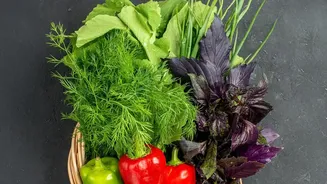
Enter the 'Use-First' box, a simple but powerful tool for reclaiming your kitchen and your budget. The concept, often called an “eat first” bin, is straightforward: designate a specific, highly visible spot in your fridge for produce that needs to be eaten soon. This isn’t just another storage container; it's a dynamic system. Think of it as a priority lane for your perishables. It’s the home for that half-used onion, the bell pepper with one slice taken out, the bunch of methi that's perfect today but will be sad tomorrow, and the fruit that is perfectly ripe. The goal is to gather all the items nearing their end into one unmissable location, transforming them from future waste into immediate inspiration for your next meal.
Why Open Packs and Visibility Are Key
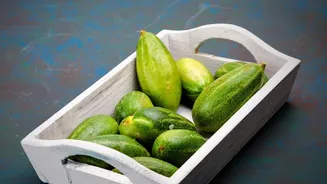
For the 'Use-First' box to work, it must be impossible to ignore. This is where the headline's advice about open packs and visibility becomes critical. Choose a clear, open container or dedicate a specific, eye-level shelf. Avoid stacking items or using lidded boxes that obscure the contents. You should be able to see exactly what’s inside with a single glance. If you have half a cucumber wrapped in cling film, unwrap it and place it cut-side up. If you have a few loose mushrooms, let them sit openly in the box. This constant visual reminder keeps these ingredients at the top of your mind when you open the fridge, not just for a big meal but for a quick snack or garnish. It turns the question from “What should I make?” to “What can I make with this beautiful produce that’s ready to go?”
Your New Grocery Shopping Rule
The most transformative part of this system happens before you even leave the house for your next grocery run. The golden rule is: always check the 'Use-First' box before you make a shopping list or head to the store. See a couple of soft tomatoes? Plan for a quick chutney or add them to dal. Notice a half-bunch of palak? That's your sabzi for tonight, which means you don't need to buy more greens. This simple check prevents you from buying duplicates of what you already have, a common source of household surplus and waste. By forcing yourself to confront what needs using up, you shop smarter, buy less, and ensure everything you bring into your home gets eaten. It aligns your purchasing habits with your actual consumption, saving a significant amount of money over time.
Making It a Lasting Habit
Like any new system, consistency is everything. Make a habit of auditing your fridge for a few minutes every other day. As you cook, place any partially used vegetables directly into the box. When you bring new groceries home, do a quick survey and move any older items to the front, a practice known as FIFO (First-In, First-Out). This ensures that older produce moves into the 'Use-First' box and then onto your plate, not into the bin. It might feel like a small change, but this mindful practice of seeing and using what you have can fundamentally alter your relationship with food, reducing stress, saving money, and making your kitchen a more efficient, sustainable space.