


What Exactly is Fluted Glass?
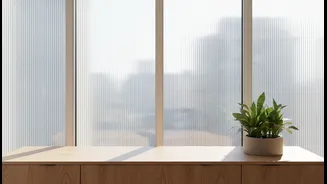
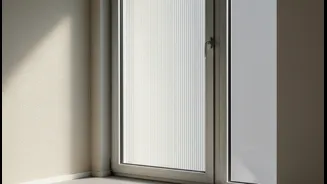
Fluted glass, also known as reeded or ribbed glass, is a type of decorative and textured glass with vertical grooves. These grooves are pressed into the semi-molten glass during manufacturing, creating a distinct, uniform pattern. Unlike plain frosted
glass which has a sandblasted or acid-etched finish for a foggy look, fluted glass plays with light and shadow through its linear texture. This design distorts the view through the pane, offering a unique blend of transparency and obscurity that has made it a favourite among architects and interior designers for decades.
The Magic of Light Without Sacrificing Privacy
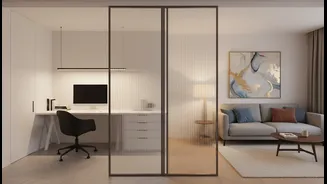
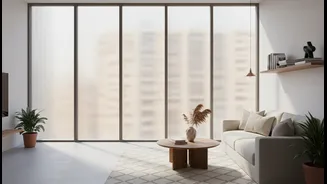
The primary genius of fluted glass in a small home is its ability to solve two problems at once: the need for privacy and the desire for natural light. Solid partitions, like walls or wooden doors, create dark, cramped zones. Clear glass, on the other hand, leaves everything exposed. Fluted glass strikes the perfect balance. Its ribbed texture beautifully distorts shapes and silhouettes, ensuring that areas like bathrooms, bedrooms, or a home office nook remain private. At the same time, it allows light to pass through and diffuse gently, illuminating adjacent spaces and preventing the gloomy feel that can plague apartments with limited windows.
Creating an Illusion of Space and Height
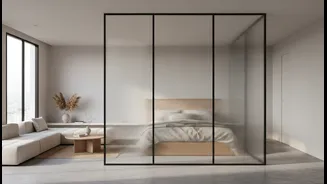
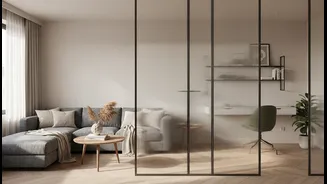
In a compact apartment, every visual trick counts. The strong vertical lines of fluted glass panels are a powerful tool for creating an illusion of height. They draw the eye upward, making ceilings feel taller than they actually are. This subtle yet effective technique can dramatically change the perception of a room, making it feel more spacious and airy. When used for partitions or sliding doors, fluted glass helps maintain an open-plan feel even while separating zones, a crucial advantage when every square foot matters. Unlike a solid wall, it provides division without visual bulk.
A Touch of Texture and Timeless Elegance
Beyond its practical benefits, fluted glass is a stunning design element. It introduces a layer of texture and depth that can elevate an otherwise simple interior. With roots in the Art Deco movement of the 1920s and 30s, it carries a sense of vintage glamour, yet its clean lines feel perfectly at home in modern and minimalist settings. This versatility allows it to complement a wide range of styles. Whether set in a sleek black metal frame for an industrial look or a warm wooden frame for a mid-century vibe, fluted glass adds a touch of sophistication that feels both intentional and effortlessly chic.
Smart Applications in an Urban Home
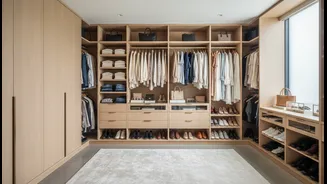
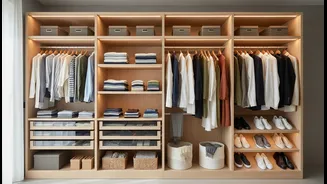
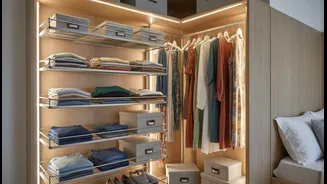
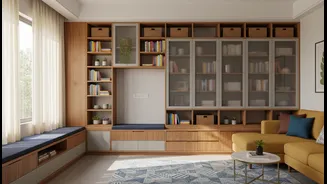
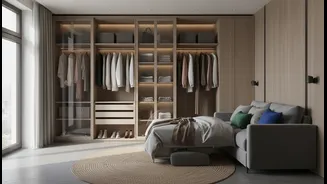
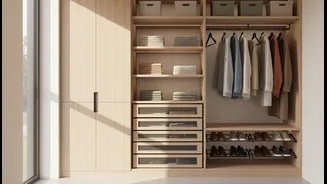
The applications for fluted glass in a small apartment are numerous. It’s an ideal material for shower screens, providing privacy while keeping the bathroom feeling bright and open. For studio apartments, a sliding fluted glass partition can elegantly separate the sleeping area from the living space. In the kitchen, it's perfect for cabinet doors, cleverly concealing clutter while avoiding the heavy look of solid cabinetry. It can also be used for wardrobe doors, internal doors between a bedroom and ensuite, or even to create a small, light-filled pooja space without building a bulky enclosure.
What to Consider Before Installing
While fluted glass is a fantastic option, there are a few practical points to keep in mind. The grooves, while beautiful, can accumulate dust and require slightly more detailed cleaning than a flat pane of glass. However, many find that the ribbed design is better at hiding water spots and fingerprints, particularly in bathrooms and kitchens. Cost can also be a factor, as it is generally more expensive than standard glass. Finally, for larger installations like partitions or doors, professional installation is recommended to ensure safety and a perfect fit, especially when using tempered glass for durability in high-traffic areas.