




As winter approaches, Nagaland prepares for its most vibrant cultural showcase. The Hornbill Festival, a dazzling ten-day event, is a must-see for anyone wanting to experience the rich tapestry of Naga heritage in one incredible location.
The 'Festival of Festivals'
Often called
the 'Festival of Festivals', the Hornbill Festival is an annual celebration that brings together all the major tribes of Nagaland to showcase their culture. Started by the state government in 2000, the event is named after the colourful hornbill bird, a creature revered in the folklore of nearly every Naga tribe. Held from December 1 to 10, it coincides with Nagaland Statehood Day on December 1. The festival's primary venue is the Naga Heritage Village at Kisama, located about 12 kilometres from the state capital, Kohima. This purpose-built site allows visitors to witness the diverse traditions of Nagaland's communities in a single, accessible setting.
A Glimpse into the 2026 Edition
The 2026 festival, scheduled for December 1-10, promises a spectacular array of cultural events. The main arena at Kisama will host a rolling schedule of performances from morning until late afternoon, featuring war dances, harvest songs, and folk music from Nagaland's different tribes. A key attraction is the collection of 'morungs' (traditional bachelor dormitories), with each of the state's recognized tribes represented by a life-sized replica. Visitors can step inside to interact with community elders, see intricate crafts, and witness weaving demonstrations. In a recent development, Nagaland's Tourism Minister, Temjen Imna Along, confirmed that the state government is in the process of inviting President Droupadi Murmu to be the chief guest for the opening ceremony.
More Than Just Dance and Music
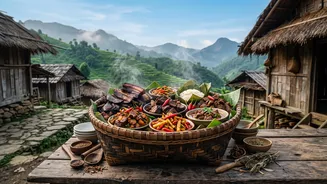
While cultural performances are at its heart, the Hornbill Festival offers much more. Indigenous games like Naga wrestling, archery, and the notoriously fiery chilli-eating contest are major crowd-pleasers. Food stalls offer a chance to sample authentic Naga cuisine, known for its distinct flavours of smoked meats and bamboo shoot. As dusk falls over Kisama, the celebration moves to Kohima, where a vibrant Night Carnival takes over the streets with food trucks, market stalls, and live music. The Hornbill Music Festival, a key part of the larger event, features rock concerts and performances by contemporary artists in the evenings.
Planning Your Trip: Permits and Passes
For Indian tourists from outside Nagaland, obtaining an Inner Line Permit (ILP) is mandatory to travel beyond Dimapur. This can be applied for online through the official Nagaland government portal, and it is strongly advised to complete this process well in advance of your travel dates. Foreign tourists are typically required to obtain a Protected Area Permit (PAP), however, Nagaland's government is actively seeking a complete lifting of the PAP regime to boost tourism. While a temporary relaxation was granted for the 2025 festival, travellers for the 2026 edition should check the official Nagaland Tourism website for the latest updates on permit requirements before making non-refundable bookings.
Getting There and Where to Stay
The primary gateway to Nagaland is Dimapur, which has the state's only airport and major railway station. From Dimapur, it's a scenic but often traffic-heavy 3–4 hour drive to Kohima. Given the festival's popularity, booking accommodation well in advance is essential. Options range from hotels and homestays in Kohima to campsites and village stays in areas like Kigwema and Khonoma, which are closer to the Kisama venue. Staying near Kisama can help avoid the daily traffic to and from Kohima, but these options are limited and book up quickly. For those on a budget, backpacker–friendly guesthouses are available in Kohima, with government–run shuttle buses providing transport to the festival grounds.