



The First Step: Securing Your Inner Line Permit
Think of the Inner Line Permit, or ILP, as your official invitation to Arunachal Pradesh. It's a mandatory document for all Indian citizens who are not residents of the state. Getting one is not complicated, but it is non-negotiable; you will be checked
at border posts. Thankfully, the process is now almost entirely online. You can apply through the official government portal at eilp.arunachal.gov.in. The process is straightforward: create an account, fill in your personal details, specify the districts you plan to visit (be sure to include Lower Subansiri for Ziro), and your intended travel dates. You will need to upload a recent passport-sized photograph and a scanned copy of a valid government ID, such as your Aadhaar card or driving licence. The fee for a tourist eILP is typically around ₹500 for a 14-day stay. Approval is often quick, sometimes within the same day, but it’s wise to apply at least a week before your trip, especially during peak season.
Why an ILP is Necessary
The ILP system isn't a new piece of tourism bureaucracy. It dates back to the Bengal Eastern Frontier Regulation of 1873. The regulation was established to protect the unique cultures and fragile ecosystems of the region's indigenous communities from unregulated entry and commercial exploitation. Today, it remains a vital tool for managing movement in this sensitive border state, ensuring that tourism remains sustainable and respectful. So when you get your ILP, you're participating in a long-standing system designed to preserve the very beauty and culture you’ve come to experience.
The Heart of Ziro: Finding an Eco Homestay
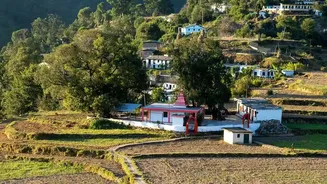
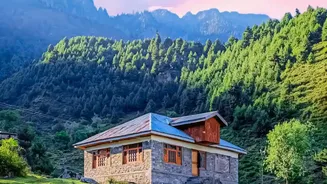
The term 'eco homestay' in Ziro is less about a formal certification and more about a way of life. These are typically traditional stilt houses made of bamboo and wood, run by local Apatani families. Staying in one is the single best way to experience the valley’s unique culture. Accommodations are simple, clean, and comfortable, often featuring a central fireplace where families gather. The ‘eco’ aspect comes from the sustainable building materials, the farm-to-table meals made with ingredients from the family garden, and the fact that your money directly supports the local community. These homestays offer more than just a bed; they offer an immersion into the Apatani way of life, known for its sustainable agricultural practices. Booking in advance, especially during the Ziro Festival of Music, is highly recommended.
Planning Your Journey: Getting to the Valley
Reaching Ziro is an adventure in itself. The most tried-and-tested route for most travellers starts in Guwahati, Assam, which is well-connected by flights and trains from all major Indian cities. From Guwahati, you can take the Donyi Polo Express, an overnight train that reaches Naharlagun in Arunachal Pradesh early in the morning. From the Naharlagun station, Ziro is another three-to-four-hour journey by shared sumo or a hired taxi. Alternatively, you can fly into the newer Holongi Airport in Itanagar or Lilabari Airport in Assam, both of which are a few hours' drive from Ziro, though they have fewer flight connections. Whichever route you choose, the journey through the winding hills offers spectacular views and a slow, beautiful transition into the tranquility of the valley.
The Ultimate Ziro Experience
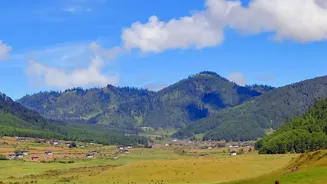
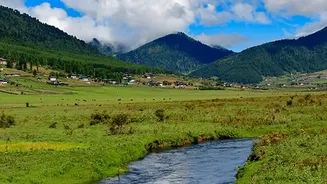
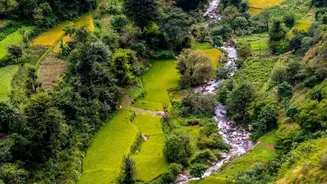
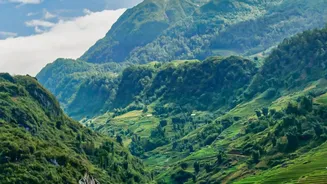
While Ziro is a year-round destination, the best time to visit is during the post-monsoon months from September to November. The landscape is a vibrant green, and the weather is pleasant. This period also coincides with the valley's most famous event: the Ziro Festival of Music. Held annually in late September, this outdoor festival has put Ziro on the map for young travellers, celebrating indie music from across the country against a stunning natural backdrop. Beyond the festival, the real magic of Ziro lies in its simplicity. Spend your days walking through the Apatani villages, exploring the unique paddy-cum-pisciculture systems, trekking to the top of surrounding hills for panoramic views, and simply soaking in the peaceful atmosphere. It’s a place that encourages you to slow down, connect with nature, and appreciate a different pace of life.