



What Exactly is Cat-Cow?
Cat-Cow is not one, but a combination of two poses: Marjaryasana (Cat Pose) and Bitilasana (Cow Pose). This dynamic sequence involves moving the spine from a rounded position (flexion) to an arched one (extension). It is one of the most accessible and highly
recommended warm-up movements in yoga, designed to gently awaken the body, especially the spine, and prepare it for a deeper practice. Its simplicity makes it an ideal starting point for anyone, regardless of their fitness level, and it is often one of the first sequences taught to beginners.
The Core Benefits for Your Body and Mind
The gentle, rhythmic movement of Cat-Cow offers a surprising number of benefits. Physically, its primary function is to improve the flexibility and mobility of the spine, stretching the muscles of the back, hips, and abdomen. This can help relieve tension in the back and neck, making it especially useful for those who spend long hours sitting at a desk. The movement also promotes better posture by increasing awareness of your spinal alignment. Furthermore, the gentle massaging action on the abdominal organs can aid digestion and boost circulation throughout the body. Mentally, the synchronization of movement with breath calms the mind, reduces stress, and enhances focus, creating a stronger mind-body connection.
A Step-by-Step Guide to the Flow
Finding the correct form is key to unlocking the full benefits of the pose. Start on all fours in a 'tabletop' position. Your wrists should be stacked directly under your shoulders, and your knees directly under your hips, about hip-width apart. Your spine should be in a neutral, straight line from the crown of your head to your tailbone. To begin the 'Cow' part, inhale as you drop your belly toward the mat, lift your chest and chin, and gaze forward or slightly up. Avoid craning your neck; instead, focus on creating a gentle arch in your spine. For the 'Cat' part, exhale as you press into your hands, round your spine toward the ceiling, and tuck your chin to your chest, releasing your neck. Flow slowly and deliberately between these two poses, allowing your breath to guide the movement.
Common Mistakes to Avoid
To ensure a safe and effective practice, be mindful of a few common errors. One of the most frequent is moving too quickly and not coordinating with the breath. The goal is a slow, controlled flow. Another issue is collapsing in the shoulders or locking the elbows. Keep your arms straight but with a micro-bend in the elbows, and actively press the mat away to keep your shoulders broad. Also, ensure your alignment is correct from the start—wrists under shoulders and knees under hips—to avoid unnecessary strain. Finally, avoid over-arching the lower back in Cow Pose or forcing the neck into an uncomfortable position. The movement should feel like a comfortable stretch, not a strain.
Modifications for Every Body
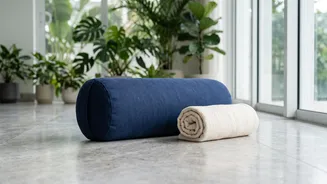
Yoga is about adapting poses to fit your body, not forcing your body into a pose. If you have sensitive knees, placing a folded blanket or towel underneath them can provide cushioning. For wrist pain, you can modify the pose in several ways. Try making fists with your hands and resting on your knuckles, or lower down onto your forearms instead of your palms. You can also perform the entire sequence while seated in a chair. Sit tall with your hands on your knees, and on your inhale, arch your spine and pull your chest forward. On your exhale, round your spine and gently pull back. This variation provides the same spinal benefits without putting pressure on the wrists or knees.