







The New Rule: Back to a 30-Day Stay
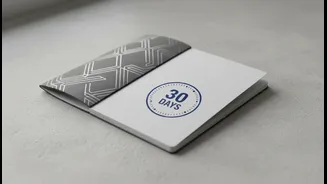
After a period of uncertainty, the Thai cabinet has confirmed that Indian passport holders will continue to receive visa-free entry, but with one major change: the maximum stay is now 30 days. This decision, made in mid-July 2026, marks a return to a standard
policy after a temporary 60-day visa exemption scheme was revoked. The previous, more generous 60-day window had caused some confusion after a proposal in May suggested it might be scrapped entirely, leading to a dip in tourist arrivals from India. To clear the air and stabilize tourism, officials have now formalized the 30-day rule, aligning it with what they say is the average travel behavior of Indian tourists.
What This Means for Your Travel Plans
For most travellers, the change is straightforward. If your planned trip to Thailand is 30 days or less, you can continue to travel without needing to apply for a visa in advance. However, if you were hoping for a longer vacation of up to two months under the old rules, you now need to reconsider your itinerary or take extra steps. Trips longer than 30 days are no longer covered by the visa exemption scheme. This is a critical detail for those planning extended stays, work-from-anywhere stints, or multi-destination trips that involve a longer period in Thailand. It's essential to count your days accurately to avoid overstaying, which can lead to fines and other penalties.
Your Pre-Travel Checklist
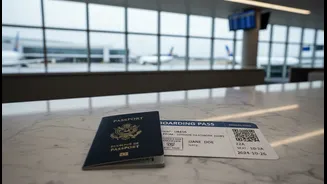
Even with visa-free entry, arriving prepared is key to a smooth immigration experience. Before you fly, ensure you have all the necessary documents ready for inspection. First, your passport must have at least six months of validity from your date of entry. You will also need a confirmed return or onward ticket showing your departure from Thailand within the 30-day limit. Additionally, be prepared to show proof of accommodation, such as hotel bookings for your stay. Immigration officials may also ask for proof of sufficient funds to cover your expenses, which is often stated as 10,000 THB for an individual or 20,000 THB per family. Finally, all travellers must complete the Thailand Digital Arrival Card (TDAC) online before landing.
Planning to Stay Longer Than 30 Days?
If your dream trip to Thailand extends beyond the 30-day limit, you cannot rely on the visa exemption. Your best option is to apply for a proper tourist visa before you leave India. This can be done through a Thai embassy or consulate. Applying in advance allows you to secure permission for a longer duration, typically 60 days, giving you peace of mind and ensuring you remain compliant with immigration laws. Attempting to extend your stay after arriving on a 30-day exemption can be complicated and is not always guaranteed. Therefore, for any trip planned to be longer than one month, proactive visa application is the most reliable path.
Avoiding Common Mistakes
The primary mistake travellers make is assuming old rules still apply. Visa policies are dynamic and can change with little notice. Always check the latest requirements from official sources like the Royal Thai Embassy or the Tourism Authority of Thailand before booking and again before you fly. Don't rely on information from friends or outdated travel blogs. The shift from a 60-day to a 30-day stay is a significant change. Double-checking your trip length against the current visa rules and having all your documents in order will prevent any unwelcome surprises at the airport and ensure your Thai holiday gets off to a perfect start.