




The aroma of freshly fried samosas, the bubbling of kheer, the chatter of family—these are the sounds of the festive season in India. But behind the joy often lies a chaotic kitchen. Here’s how to bring calm to your festive cooking this year.
Start with a Master Plan
The first
step to a calm kitchen is knowing exactly what you're going to cook. Before the festivities begin, sit down and plan your menu. Decide which sweets, snacks, and main courses you’ll be making. This isn't just about food; it's about strategy. A clear menu allows you to create a detailed grocery list, preventing last-minute trips to the store for a missing ingredient. It also helps you realistically assess your workload. Once you have your list, check your pantry and freezer for what you already have to avoid buying duplicates. This simple act of planning is the foundation for a stress-free cooking marathon.
Declutter for Breathing Room
A cluttered kitchen is a chaotic kitchen. Before you even think about new containers or organizers, the most crucial step is to declutter. Go through your cabinets, drawers, and countertops. Remove appliances you won't use during the festive period and store them away. Get rid of duplicate utensils, expired spices, and anything that’s just taking up valuable space. The goal isn't to create a minimalist showroom but to free up space for the intense activity to come. An empty countertop is your best friend when you’re trying to manage multiple dishes at once. You need clear surfaces for chopping, mixing, and plating.
Create Dedicated Kitchen Zones
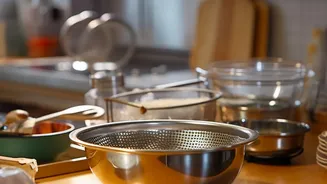
Professional chefs and organised home cooks swear by the 'zone' method. This system has evolved from the classic 'work triangle' (sink, stove, fridge) to a more practical approach for modern kitchens. Divide your kitchen into distinct areas for specific tasks to create a more fluid workspace. For instance, have a 'prep zone' with your knives, chopping boards, and mixing bowls. Set up a 'cooking zone' near the stove with your oils, spices, ladles, and tongs. A 'cleaning zone' near the sink should have your soaps and scrubs ready. You might also create a specific zone for making sweets or a station for tea and coffee for guests. This simple division stops you from running back and forth, making your movements more efficient and the process much faster.
Embrace the Power of 'Mise en Place'
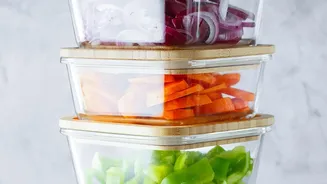
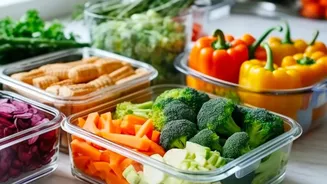
‘Mise en place’ is a French term that means 'everything in its place'. It’s the practice of preparing all your ingredients before you start cooking. A day or two before your big cooking day, do as much prep as you can. Chop your onions, tomatoes, and other vegetables and store them in airtight containers in the fridge. Prepare ginger-garlic paste, tamarind pulp, and grind your spice mixes. Many festive sweets and snacks also have components that can be made in advance. For example, you can make the dough for mathri or the filling for gujiyas ahead of time. This approach transforms cooking from a frantic rush into a calm assembly process.
Organise Your Pantry and Fridge Logically
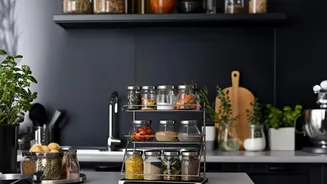
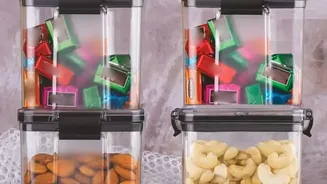
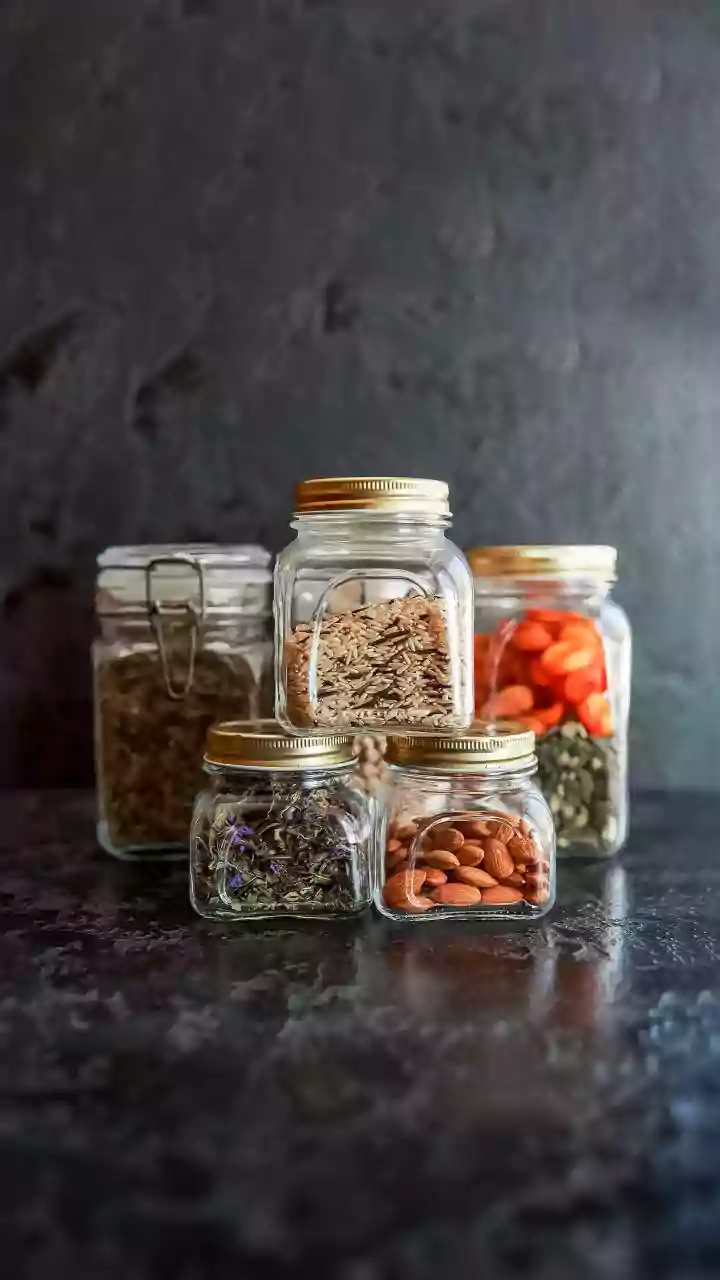
An organised pantry can be a game-changer. Group similar items together. Keep all your dals in one section, your baking supplies in another, and your festive-specific ingredients in a clearly marked, easy-to-reach spot. Use clear, stackable containers so you can see what you have at a glance. In the fridge, apply the 'First-In, First-Out' (FIFO) method used in restaurants. Place newer items at the back and older ones at the front so you use them up first, reducing food waste. Keeping your ingredients organised means you spend less time hunting and more time cooking.
The Clean-As-You-Go Rule
This might be the single most important habit for maintaining order. It’s easy to let used bowls, pans, and utensils pile up, but that quickly leads to a mountain of mess and a feeling of being overwhelmed. Instead, try to clean as you go. While something is frying or simmering, take a minute to wash the bowls you just used or wipe down a messy counter. Keep a basin of soapy water in the sink to drop used utensils into, making them easier to wash later. A clean workspace not only reduces the final cleanup job but also keeps your mind clear and focused on the delicious food you’re creating.