






The City as a Concrete Oven
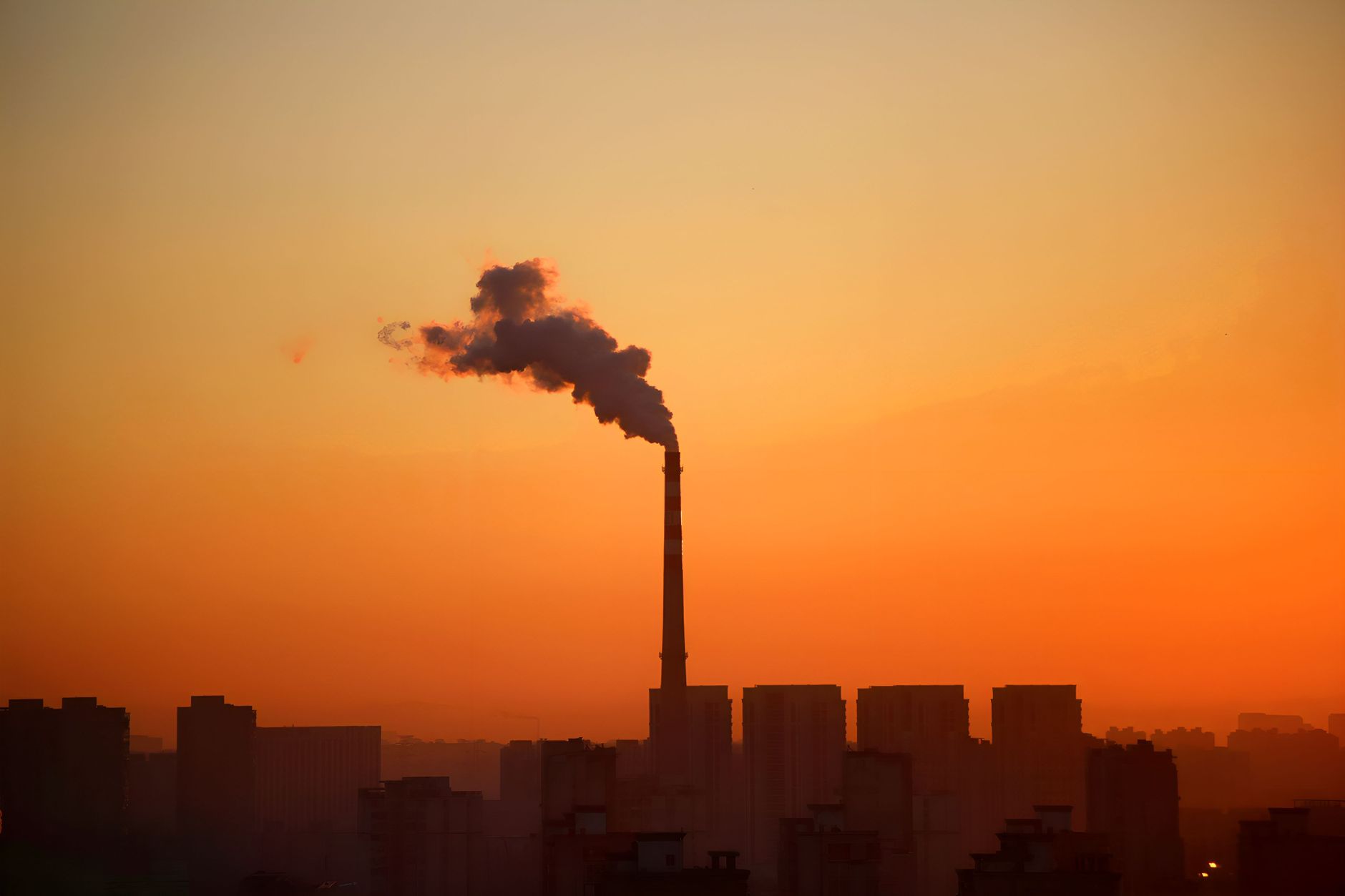
At the heart of the issue is the 'urban heat island' effect. Our cities, with their dense concentration of concrete buildings, asphalt roads, and dark surfaces, are experts at absorbing and storing the sun's energy. Unlike rural areas with abundant soil
and vegetation that provide cooling through evaporation, urban landscapes trap heat during the day. This stored warmth is then slowly released back into the atmosphere, particularly after sunset. The result is that cities don't cool down effectively at night, creating a continuous cycle of elevated temperatures that puts a strain on public health and energy resources.
When Rain and Heat Collide
It seems counterintuitive, but monsoon rain doesn't simply wash the heat away. While a downpour provides temporary cooling, it also saturates the air with moisture. This spike in humidity is the critical factor. When water vapour condenses to form rain, it releases latent heat into the atmosphere, which can subtly warm the surrounding air. After the rain stops, the ground is wet and the air is thick with moisture. This combination prevents the most effective natural cooling mechanism our bodies have: sweating.
Humidity: The Body’s Real Enemy
Dry heat is dangerous, but humid heat can be even more so. Our bodies cool down when sweat evaporates from our skin. In a high-humidity environment, the air is already so full of water vapour that our sweat can't evaporate efficiently. As a result, the body struggles to regulate its internal temperature. This can lead to a range of heat-related illnesses, from heat cramps and exhaustion to life-threatening heatstroke, even at air temperatures that might not seem extreme. This combined effect of heat and humidity is measured by scientists as the 'wet-bulb temperature,' which is a more accurate indicator of heat stress on the human body than temperature alone.
No Respite After Dark
One of the most significant aspects of urban heat during the monsoon is the lack of night-time relief. The same concrete and asphalt that soaked up heat all day continue to radiate it long after sunset. Combined with high overnight humidity, this means cities often stay uncomfortably warm and muggy through the night. This is particularly dangerous as it denies the body a crucial period to cool down and recover from the day's heat exposure, increasing the cumulative stress on the cardiovascular system and other organs. Studies have shown a clear link between rising night-time temperatures in Indian cities and the urban heat island effect.
What Scientists Are Recommending
The scientific community is not just observing this trend; it is actively seeking solutions. Researchers and urban planners are focusing on strategies to mitigate the urban heat island effect. These include 'nature-based solutions' like increasing green cover through parks, green roofs, and planting more trees, which provide shade and cooling through evapotranspiration. Another key area is the use of 'cool' materials, such as reflective paints and lighter-coloured paving, that absorb less solar radiation. For citizens, this ongoing research translates into a need for greater awareness. Public health advisories are increasingly focusing on humidity levels, not just temperature, and encouraging people to stay hydrated and avoid strenuous activity during peak humid hours.