




An Immersion in Apatani Culture
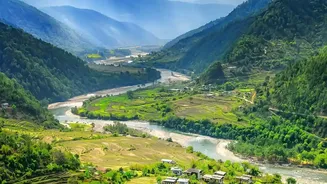
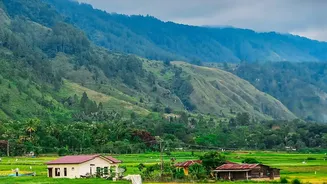
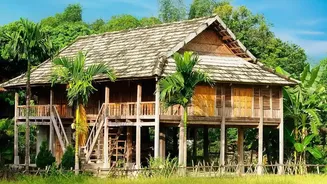
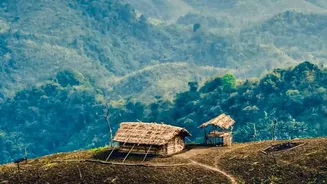
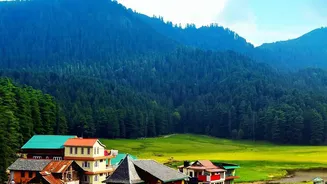
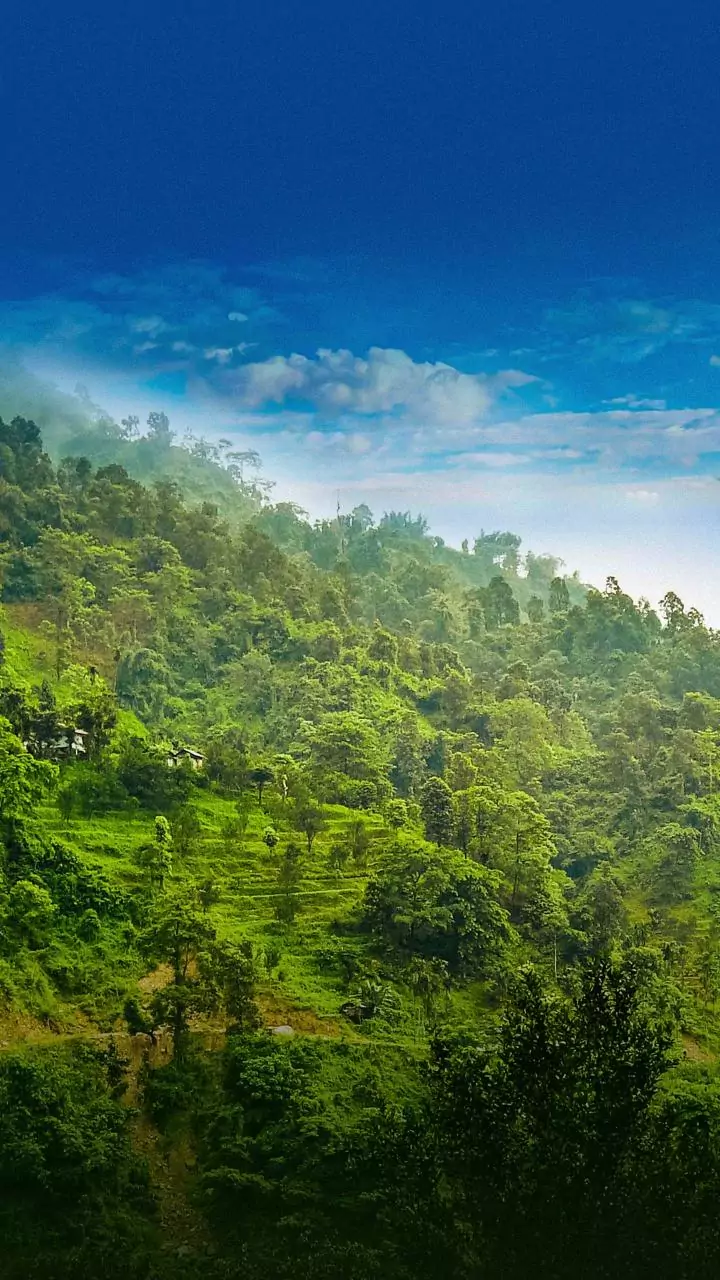
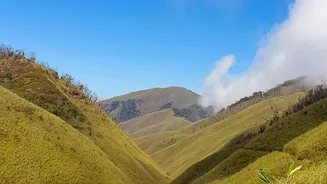
Nestled in the lower Eastern Himalayas, Ziro Valley is a lush, high-altitude plateau and home to the Apatani tribe. Opting for a homestay here means stepping directly into their world. These homes, often traditional structures of bamboo and timber, are
run by local families, offering an unfiltered glimpse into their daily rhythms. Forget generic hotel rooms; imagine waking up to the sounds of a village, sharing meals cooked on a central hearth, and listening to stories passed down through generations. This community-based approach to tourism ensures that your visit directly supports the local economy and fosters genuine cultural exchange, turning a simple holiday into a deeply personal and respectful immersion. The Apatani are renowned for their warm hospitality, welcoming guests not as tourists, but as part of the family.
The Blueprint for Sustainable Living
The 'eco' in Ziro's eco-experiences is not a modern marketing term; it's a centuries-old way of life. The Apatani tribe are masters of sustainable agriculture, a practice that has earned the Ziro Valley a tentative spot on the UNESCO World Heritage list. Their most famous innovation is the paddy-cum-pisciculture system, where rice and fish are farmed together in the same terraced fields. These fields are irrigated by an intricate network of canals fed by mountain streams, managed without machinery or chemical fertilisers. Staying in a homestay often means your meals are sourced from these very fields and the surrounding bamboo groves. This model of living in harmony with nature is the valley's biggest lesson, offering travellers a firsthand look at a truly sustainable food system that has thrived for generations.
Experiences Beyond the Ordinary
A trip to Ziro is about doing, not just seeing. The unique landscape offers a host of activities for the adventurous and the curious. You can trek through dense pine groves and bamboo forests to stunning viewpoints like Kile Pakho and Dolo Mando. Guided walks through the Apatani villages of Hong, Hari, and Hija reveal the intricacies of their social fabric and unique architecture. You can visit a Tarin Fish Farm to see the ingenious rice-fish system up close or learn about local weaving from the craftspeople themselves. Evenings are often spent sipping 'apong' (local rice beer) by a bonfire, sharing stories with your hosts and fellow travellers. For music lovers, the Ziro Music Festival held in September combines this cultural immersion with performances from independent artists across the country.
Navigating the Permit Process
Arunachal Pradesh's unique status means that travel here requires a special permit. This is a crucial step in planning your trip. For Indian citizens (who are not residents of Arunachal Pradesh), an Inner Line Permit (ILP) is mandatory. The easiest way to get this is by applying online through the official eILP portal of the Arunachal Pradesh government. You'll need a photo, a valid government ID, and your travel dates. The process is generally quick, with permits often issued within a day. Foreign nationals require a Protected Area Permit (PAP), which must be arranged through a registered Indian tour operator and typically requires travelling in a group of two or more. While it sounds like an extra step, this regulation helps manage tourism sustainably, preserving the very culture and environment that make Ziro so special.