

The Strategy: Component Cooking
Forget cooking seven different meals on a Sunday. The secret to flexible and fast student cooking is 'component prep'. Instead of making full dishes, you prepare versatile ingredients that can be mixed and matched throughout the week. This approach, popular
in many Indian households, prevents you from getting bored with the same meal and allows you to assemble fresh-tasting dishes in minutes. By spending just a couple of hours prepping, you can set yourself up for a week of delicious, home-cooked vegetarian food without the daily grind of chopping and cooking from scratch.
Your Weekend Prep Session Plan
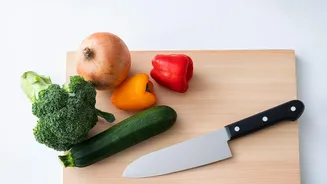
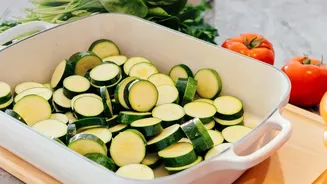
Set aside about two hours on a Sunday. The goal is efficiency. First, put your grains on to cook—think rice, quinoa, or millets. While they simmer, soak and boil your legumes like chickpeas (chana), kidney beans (rajma), or lentils (dal). These protein powerhouses are the foundation of many filling meals. Next, tackle the vegetables. Wash, chop, or grate your hardy veggies like carrots, onions, bell peppers, and cabbage. You can also prepare a universal curry base by sautéing onions, ginger, garlic, and tomatoes, which can be stored and used for various dishes during the week. This assembly-line approach makes the process faster and less overwhelming.
Building a Smart Shopping List
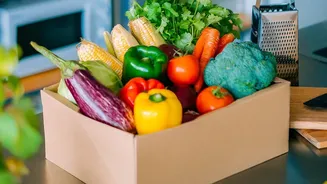
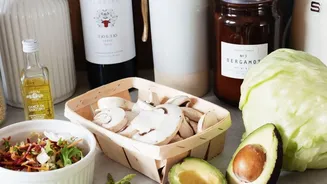
A successful prep starts at the grocery store. To keep your budget in check, focus on affordable and multi-purpose ingredients. Divide your list into categories: Proteins: Dried or canned chickpeas, lentils, kidney beans, paneer, and tofu are all excellent, cost-effective choices. Grains: Basmati rice, brown rice, whole wheat flour (for rotis), quinoa, and oats provide sustained energy. Vegetables: Focus on seasonal produce as it's cheaper. Hardy vegetables like potatoes, sweet potatoes, onions, carrots, cauliflower, and spinach are great staples. Aromatics & Spices: Ginger, garlic, green chillies, and basic spices like turmeric, cumin, and coriander powder form the flavour base of most Indian dishes. Healthy Fats: Nuts, seeds, and cooking oil are pantry essentials.
Storing Your Prepped Ingredients
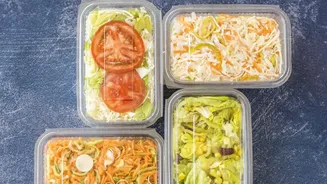
Proper storage is key to keeping your ingredients fresh all week. Let all cooked food, like rice and dals, cool down before refrigerating to prevent them from getting soggy. Store chopped vegetables in airtight containers. Hardy vegetables like carrots and celery can last up to a week. Washed and thoroughly dried leafy greens like spinach should be stored in a container lined with a paper towel to absorb excess moisture. Cooked dals and legumes can be stored in the fridge for 3-4 days or frozen for longer. Having good quality glass or BPA-free plastic containers will make your fridge organised and your food last longer.
Assembling Meals in Minutes
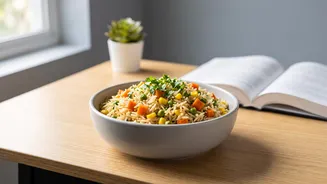
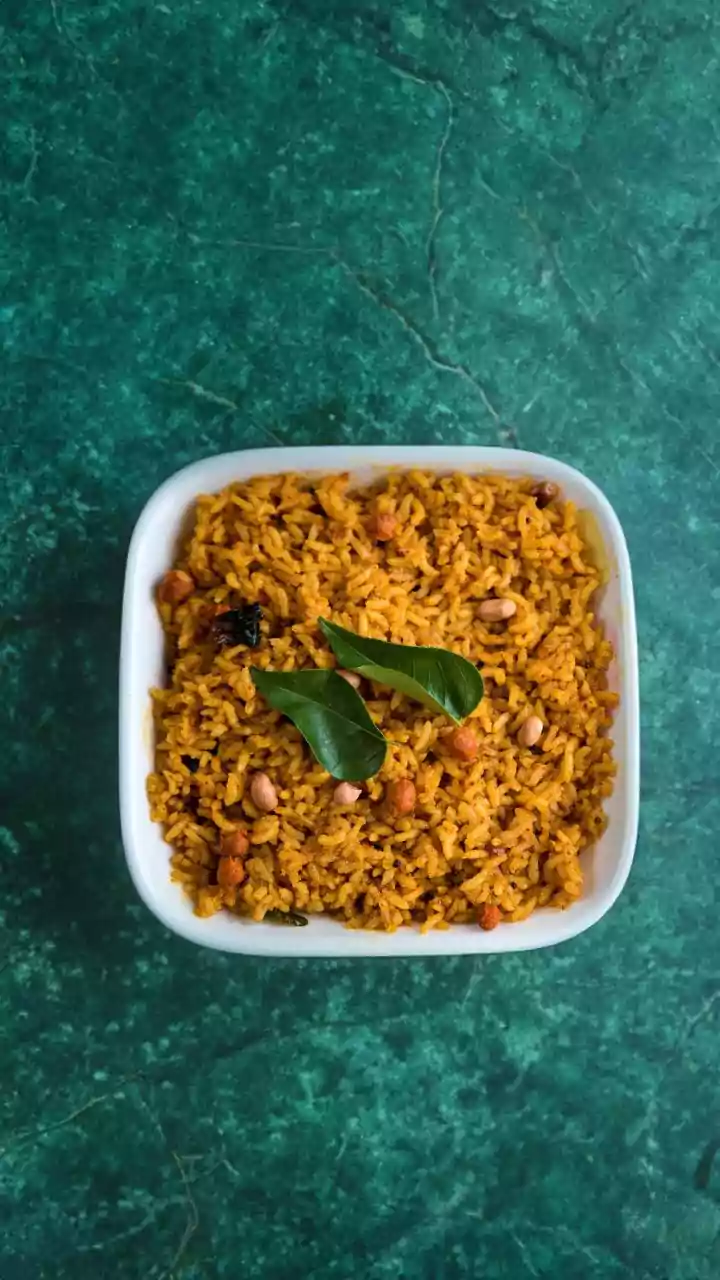
This is where your prep pays off. With your components ready, assembling a meal takes less than 15 minutes. Here are a few ideas: Quick Pulao or Fried Rice: Sauté your pre-chopped veggies, add your pre-cooked rice, and season. You can add cubed paneer or tofu for extra protein. Hearty Grain Bowl: Start with a base of quinoa or rice. Top it with boiled chickpeas, chopped vegetables, and a simple dressing or a scoop of hummus. Fast Chana Masala: Heat up your pre-made onion-tomato base, add your boiled chickpeas and spices, and simmer for a few minutes. Serve with rice or rotis. Wraps and Rolls: Stuff a roti or paratha with a quick paneer bhurji, boiled potatoes, or a chickpea salad for a portable lunch. Dal and Rice: Simply reheat your pre-cooked dal and rice for a classic comfort meal. You can give the dal a fresh 'tadka' (tempering) of spices in ghee or oil to elevate the flavour.