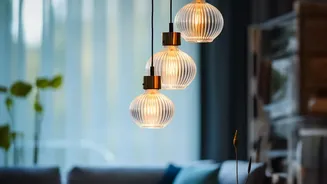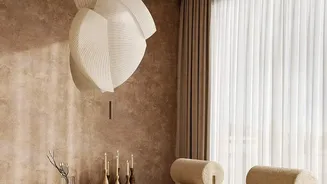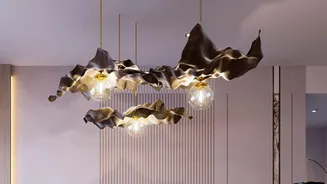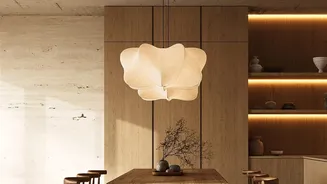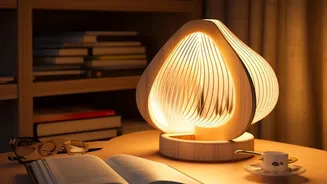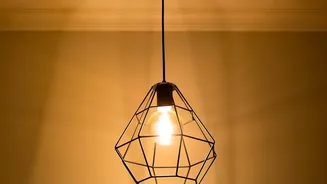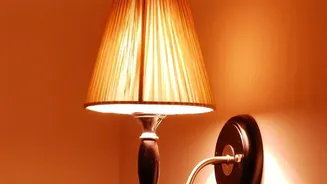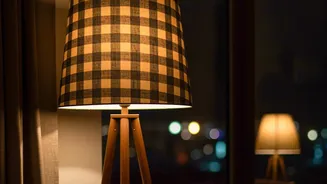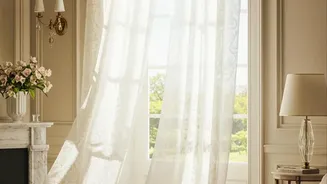

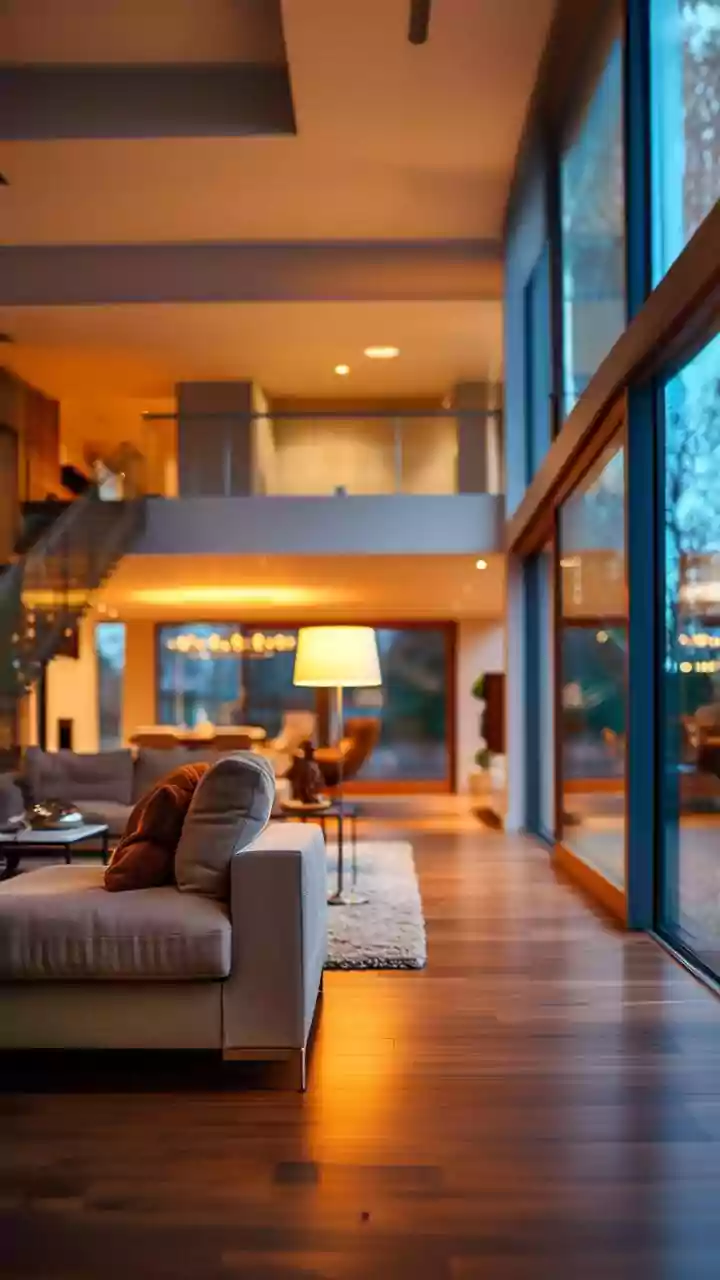
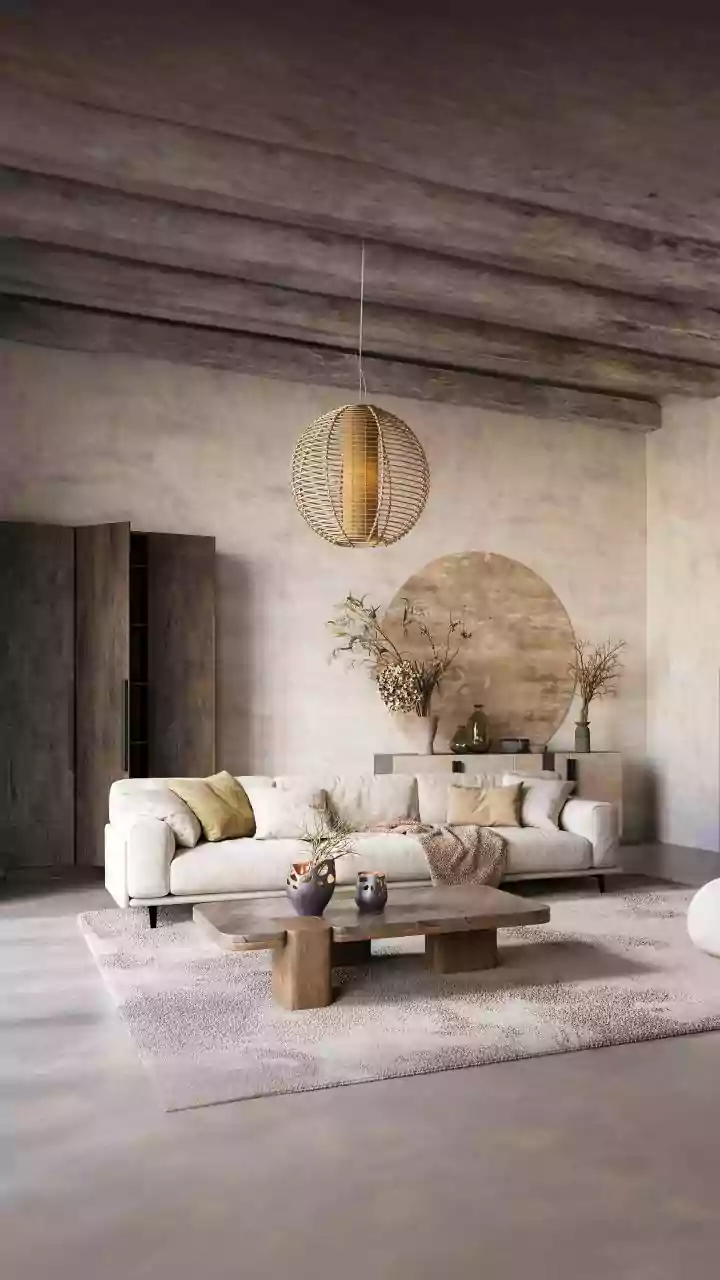
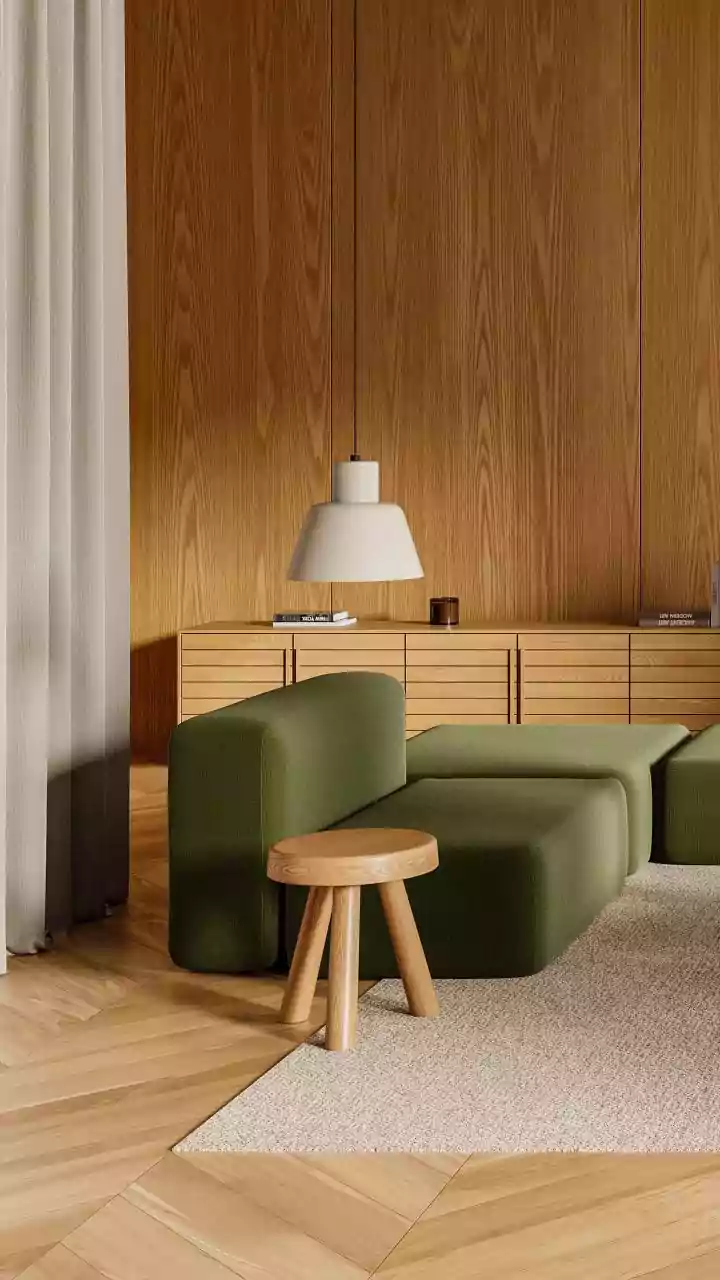
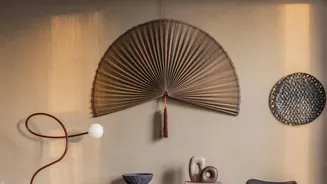
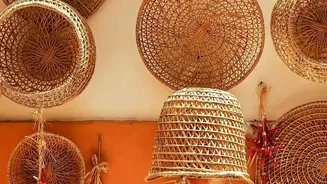
For years, lighting was treated as a purely functional necessity. Now, a new trend is recasting the humble lampshade as a central piece of art, one that makes a statement even when the light is off and fills the room with a warm, inviting glow.
More Than Just Illumination
The evolution
of home lighting has taken a decidedly artistic turn. Homeowners and designers are increasingly looking beyond mere utility, seeking fixtures that serve as focal points and expressions of personal style. This shift is part of a broader movement towards more curated and individualised interiors, where every object contributes to the room's narrative. A sculptural lampshade is no longer just an accessory for a bulb; it is a standalone piece of decor that adds texture, shape, and character. These pieces are chosen not just for how they light a room, but for how they define it, transforming a simple corner or a dining area into a deliberate and captivating space. They are the 'functional art' that can anchor a room's design and spark conversation.
The Beauty of Organic Shapes and Materials
One of the most compelling aspects of this trend is the embrace of organic, natural, and sometimes imperfect forms. Think of shapes inspired by nature—like flowing curves, petals, or waves—and asymmetrical silhouettes that feel unique and handcrafted. Materials play a crucial role in this aesthetic. Natural fibres like linen, rattan, burlap, and paper are especially popular, celebrated for their ability to diffuse light softly and add a tactile warmth to a space. Linen, in particular, is praised for creating a gentle, organic diffusion that mimics natural light. At the same time, materials like ceramic, hand-blown glass, and even wood veneer are being shaped into artistic forms, each lending a distinct personality. The material isn't just a covering; it's a fundamental part of the sculpture.
How to Choose the Right Sculptural Shade
Incorporating a statement lampshade requires a bit of thought. The most important factor is scale; the fixture should be proportionate to the room's size and ceiling height, as well as the furniture it accompanies. A grand, oversized shade might be a stunning centerpiece in a spacious living room with high ceilings, while a smaller room might benefit from a more delicate but equally artistic design. Consider the function of the space. A dining room is a perfect place for a dramatic pendant, while a cozy reading nook might call for a floor lamp with a unique shade that casts a focused, warm light. It's also vital to layer lighting; a sculptural piece provides ambient or accent light but should be supported by other sources like task lamps or recessed lighting to ensure the room is fully functional.
A Style for Every Home
The versatility of sculptural lampshades means there is a style for virtually any interior design aesthetic. For a modern, minimalist, or Japandi-inspired space, a shade with clean geometric lines or a simple, organic form in ceramic or metal can add a touch of sophistication without creating clutter. In rooms with a bohemian, coastal, or rustic vibe, shades made from woven rattan, burlap, or raw linen enhance the natural, relaxed feel. Even traditional spaces can be updated with this trend by choosing a classic shape, like an empire or drum shade, rendered in a unique, textured fabric or with subtle sculptural details. The key is to select a piece that complements the existing decor while adding a fresh layer of visual interest.
Sculpting Light and Shadow
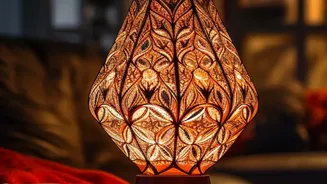
Ultimately, the magic of a sculptural lampshade lies in its interaction with light. The shape, material, and texture of the shade all work together to filter and direct the light, creating a specific mood. A translucent fabric shade will cast a soft, even glow, making a space feel warm and inviting. A metal shade, by contrast, will direct light downwards, creating a focused pool of illumination that is ideal for task lighting or creating drama. Some shades, particularly those with perforations or intricate patterns like lace, can cast beautiful and complex shadows on the walls, adding another layer of artistic expression. This ability to shape not just the fixture but the light itself is what truly elevates these pieces from simple decor to transformative elements in the home.