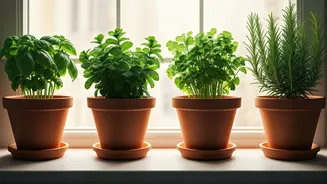





The Monsoon Challenge
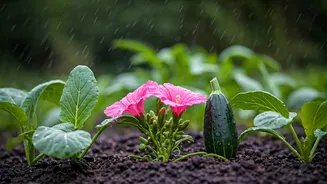
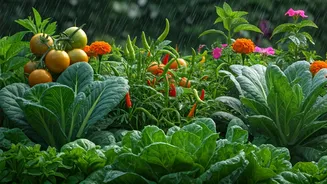
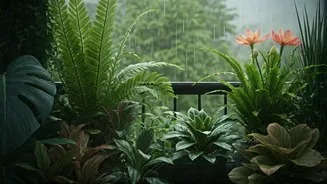
The Indian monsoon presents a unique set of challenges for indoor plants that usually love sun and drier conditions. The primary issues are a dramatic reduction in sunlight, a significant increase in humidity, and the constant risk of overwatering. High
humidity creates a perfect breeding ground for fungal diseases and pests. Combined with less light for photosynthesis, this can quickly stress your plants, leading to yellowing leaves, root rot, and stunted growth. The key to monsoon herb care is to shift your focus from encouraging rapid growth to maintaining health and stability through this challenging season.
1. Holy Basil (Tulsi)
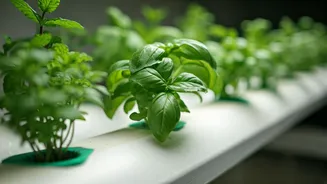
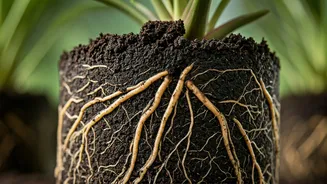
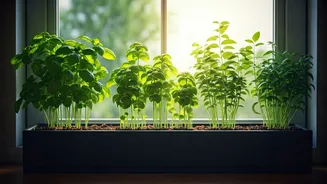
A staple in many Indian households, Tulsi is particularly vulnerable during the monsoon. Overwatering is its biggest enemy. The constant rain means the soil stays wet for longer, so you must reduce watering frequency. Water only when the top inch of the soil feels dry to the touch. Ensure your pot has excellent drainage; you can even add a layer of gravel at the bottom to help. Due to cloudy days, sunlight is scarce, so place your Tulsi plant in a spot where it can receive at least 4-6 hours of any available direct or indirect sunlight, like an east-facing window. Pruning is also crucial. Regularly pinch off the tops and remove any yellow or decaying leaves to improve air circulation and prevent the spread of fungal infections.
2. Mint (Pudina)
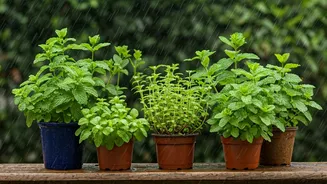
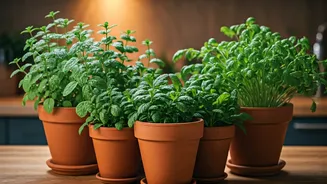
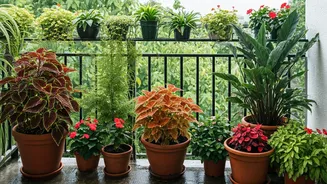
Mint loves moisture, but even it has its limits. While it flourishes in damp conditions, waterlogged soil during the monsoon can lead to root rot. It's best to grow mint in a wide container with good drainage. Unlike Tulsi, mint can tolerate partial shade, making it a bit easier to manage with the reduced sunlight. However, good air circulation is vital to prevent fungal issues on its dense leaves. If your plant is outdoors on a balcony, consider moving it to a sheltered spot to protect it from heavy downpours. Harvest regularly by snipping stems to encourage bushier growth and improve airflow through the plant.
3. Coriander (Dhania)
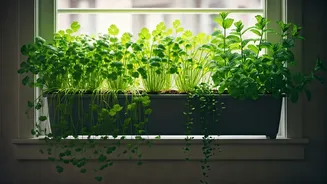
Coriander is notoriously tricky, and the monsoon’s high humidity and heat are not its friends. These conditions can cause it to 'bolt'—flower prematurely—which stops leaf production. To succeed with dhania, provide it with shade from the harsh afternoon sun, if any, and ensure excellent air circulation around the pot to combat humidity. Use a light, well-draining potting mix. The most common mistake is overwatering; the soil should be consistently moist but never soggy. Growing coriander in batches by sowing new seeds every couple of weeks can ensure you have a continuous supply, even if one set bolts early.
4. Curry Leaves (Kadi Patta)
The curry leaf plant generally enjoys the warm and humid weather of the monsoon. However, when grown indoors in pots, drainage remains a critical factor. Ensure your pot has plenty of drainage holes to prevent water from stagnating. Like other herbs, allow the top layer of soil to dry out before watering again. While the plant loves humidity, stagnant air can still invite pests like mealybugs. Wiping the leaves occasionally can help keep them clean and pest-free. It's also a good time to prune the plant, which encourages the growth of the tender new leaves that are most prized in cooking.