



The Symphony of Preparation
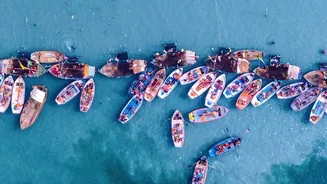
Along the banks of Punnamada Lake and the winding rivers of Alappuzha, the air is thick with a unique, pungent aroma. It’s the scent of tradition: a carefully guarded mixture of natural oils being painstakingly applied to the hulls of the majestic Chundan
Vallams, or snake boats. This is not a task for the impatient. Teams of skilled artisans, their movements honed by generations of practice, work in quiet harmony. They move with a reverence that reveals the deep cultural significance of their work, ensuring every inch of the massive wooden vessel is coated and protected. This annual ritual is a crucial first step before the boats, some over 100 feet long, can compete in the thrilling Vallam Kali (boat race) season.
More Than Just a Boat
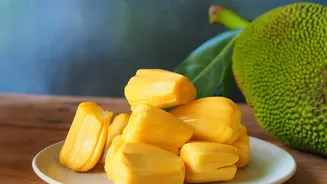
To understand the meticulous care involved, one must first understand what a snake boat represents. Each Chundan Vallam is the pride of a village, a floating deity that commands respect. Historically, these were war canoes, designed for speed and stealth in the 14th century to navigate the region's narrow waterways during conflicts between feudal kingdoms. Today, that battle spirit is channelled into sport. Constructed from Anjili (wild jackfruit) wood according to ancient naval principles, these boats are marvels of indigenous engineering. Each boat, capable of carrying over 100 rowers, is considered a living entity, and only men, traditionally barefoot, are allowed to touch it as a sign of respect.
The Ancient Protective Formula
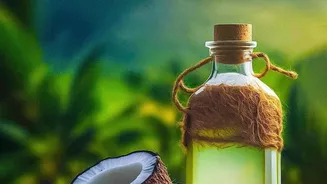
The glossy, dark coating applied by the artisans is a time-tested organic varnish, a secret blend passed down through generations. The primary ingredients are fish oil (often from sardines), the ash of burnt coconut shells, and sometimes raw eggs. This potent mixture serves multiple purposes. It waterproofs the Anjili wood, preventing it from absorbing water and becoming heavy during a race. The oil makes the hull incredibly slippery, reducing drag and allowing the boat to glide through the water with minimal resistance. This ancient, eco-friendly method is far superior to any modern chemical sealant, preserving the wood's natural flexibility and strength for decades.
Guardians of a Living Tradition
The artisans, or 'asharis', are the unsung heroes of the boat races. Often, this knowledge is held within specific families, with a master carpenter (Moothashari) overseeing the complex process of construction and annual repairs. These craftsmen don't just repair the boats; they breathe life into them. Their work ensures that the Chundan Vallam is not just a relic of the past but a vibrant, competitive vessel. This process of preservation is a community affair, strengthening bonds and reinforcing a shared identity as villages unite to support their boat and its crew.
Anticipation for the Race
This painstaking preparation all leads to the high-stakes boat race season, which electrifies Kerala during the monsoon months. The crown jewel is the Nehru Trophy Boat Race, scheduled for August 22, 2026, on Punnamada Lake. Named after India's first Prime Minister, Jawaharlal Nehru, who was captivated by a race in 1952, this event is a spectacular display of power, rhythm, and teamwork. As the oarsmen train rigorously, their strokes synchronized to the beat of the 'Vanchipattu' (boat songs), the artisans' work provides the foundation for their victory. The slick, perfectly prepared hull is the first step towards bringing glory back to their village.