



The Undisputed Classics: Chai and Pakoras
No monsoon food list can begin without the iconic duo of masala chai and piping hot pakoras. This combination is more than just a snack; it's a cherished ritual across the country. As the rain falls, the craving for something deep-fried, crispy, and spicy
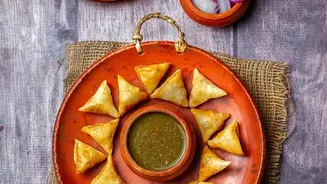
is almost universal. Pakoras, also known as bhajiyas, are fritters made by dipping vegetables like onions, potatoes, spinach, or paneer in a spiced gram flour (besan) batter and frying them to golden perfection. Paired with a steaming cup of ginger and cardamom-infused tea, it provides a comforting warmth that perfectly complements the cool, damp weather. This simple pleasure is a staple in households and street-side stalls from Delhi to Mumbai.
Street-Side Star: Roasted Corn on the Cob
The smoky aroma of bhutta, or roasted corn on the cob, is synonymous with rainy evenings in India. Vendors appear on street corners, roasting fresh corn over hot charcoal embers until the kernels are slightly charred and tender. It’s then rubbed with a mixture of lemon juice, salt, and chilli powder, creating a snack that is simultaneously smoky, tangy, spicy, and sweet. Corn is a seasonal crop harvested during the monsoon, so it's enjoyed at its freshest. Beyond being a delicious and affordable snack, corn is also rich in fibre and essential nutrients, making it a relatively healthy indulgence that provides a comforting warmth.
A Bowl of Comfort: Soups and Khichdi
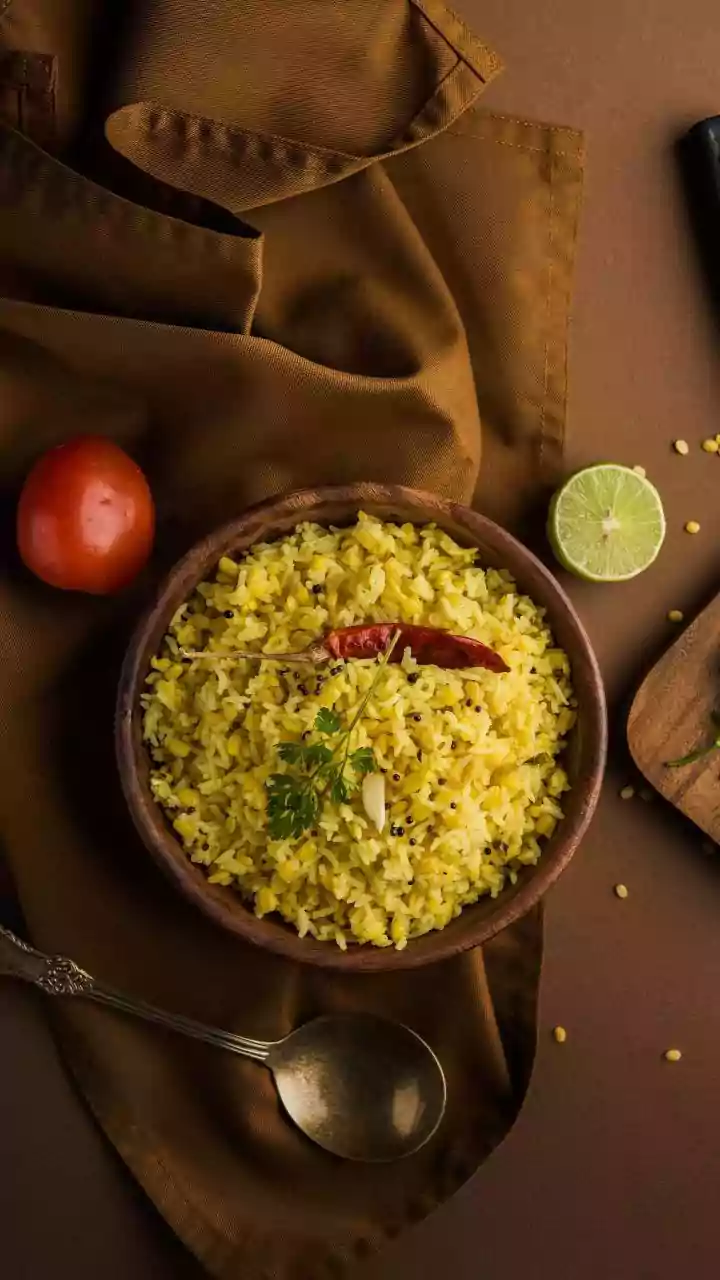
When the downpour is relentless, nothing soothes the soul quite like a warm bowl of soup or khichdi. Hot soups, whether a simple tomato soup or a peppery rasam in the South, help keep the body warm and hydrated. Khichdi, a humble and wholesome dish made from rice and lentils, is the ultimate comfort food. Often lightly spiced and cooked with vegetables, it's easy on the digestive system, which is considered important during the monsoon. Served with a dollop of ghee, a side of yogurt, or pickles, khichdi becomes a nourishing and deeply satisfying meal that feels like a hug in a bowl.
Regional Monsoon Delicacies
The monsoon is celebrated with unique flavours across India's diverse regions. In Bengal, the season is incomplete without Ilish Macher Jhol, a curry made with hilsa fish. Hilsa is an anadromous fish that migrates upstream to breed during the monsoons, making its flesh exceptionally rich and flavourful at this time. On the west coast, particularly in Karnataka and Goa, people enjoy Patrode, a dish made from colocasia leaves smeared with a spiced rice-flour paste, which are then rolled, steamed, and fried. In Maharashtra, the rainy season calls for spicy Misal Pav or crispy Kanda Bhaji (onion pakoras), while in Kerala, Pazham Pori (banana fritters) are a beloved tea-time snack.
Sweet Endings for a Rainy Day
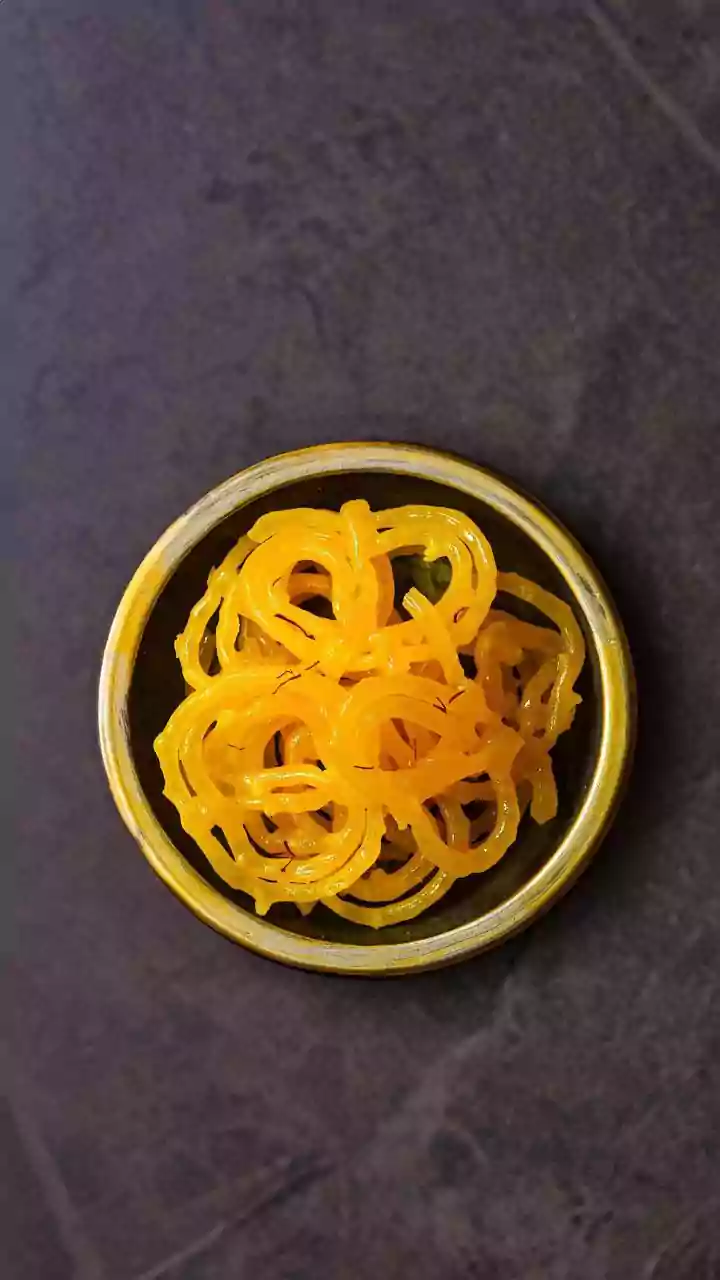
A monsoon feast isn't complete without a touch of sweetness. Jalebi, a deep-fried, spiral-shaped sweet soaked in sugar syrup, is best enjoyed hot and crispy. Another seasonal favorite, especially in Rajasthan and North India, is Ghevar. This disc-shaped, honeycomb-like sweet is made from flour and ghee, soaked in syrup, and often topped with rabri (thickened sweet milk). In Maharashtra, steamed Modaks, sweet dumplings stuffed with coconut and jaggery, are particularly popular, often associated with the Ganesh Chaturthi festival which falls during the monsoon.
A Note on Safe Indulgence
While street food is a huge part of the monsoon experience, it's wise to be cautious. The damp weather can increase the risk of waterborne illnesses. To enjoy these delicacies safely, always choose vendors who maintain high standards of hygiene. Opt for food that is prepared fresh and served piping hot, as high temperatures kill most harmful bacteria. It's often recommended to avoid raw chutneys or anything made with water of an unknown source. Choosing busy stalls with high customer turnover is usually a good sign of freshness and safety.