




The End of an Era for Spontaneous Trips
For years, Indian travellers enjoyed a relatively relaxed entry process into Thailand. However, a recent advisory from the Embassy of India in Bangkok signals a significant shift. The visa-free scheme that was in place has ended, moving Indian passport
holders back to the Visa on Arrival (VoA) category. This change, coupled with stricter enforcement of existing rules, means that a spontaneous trip now requires a pre-flight checklist. Immigration authorities are conducting more rigorous checks, and arriving unprepared could lead to delays or even denial of entry.
Passport, Tickets, and Bookings: The Holy Trinity
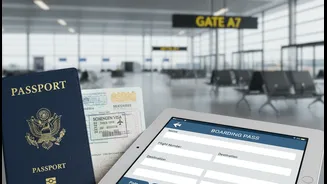
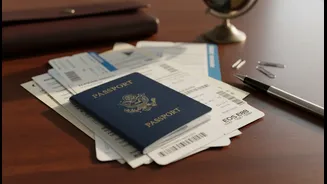
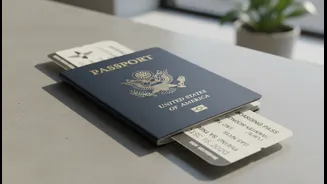
The foundation of a smooth entry rests on three core documents. First, your passport must have at least six months of validity from your date of arrival. This is a non-negotiable rule and a common reason for travellers being turned away. Second, you must have a confirmed return or onward flight ticket. Immigration officers need to see clear proof that you intend to leave the country within your permitted stay. Third, have your accommodation details ready. Whether it's a hotel booking confirmation or a clear itinerary of your stay, proof of lodging is often requested.
Show Me the Money: The Proof of Funds Rule
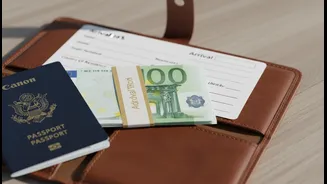
One of the most significant points of the new checks is the proof of funds requirement. While not a new rule, its enforcement has become more stringent. Travellers entering on a Visa on Arrival may be asked to show they are carrying sufficient cash. The specified amount is typically 10,000 THB per individual or 20,000 THB for a family, though some advisories for Indian nationals on VoA suggest having 20,000 THB (approx. ₹58,000) per person. It is crucial to have this amount in cash, as digital formats like bank app balances may not be accepted during these random checks.
The Mandatory Digital Step: Thailand Digital Arrival Card (TDAC)
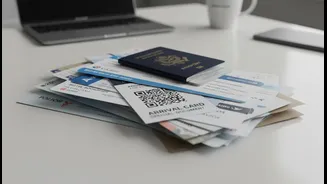
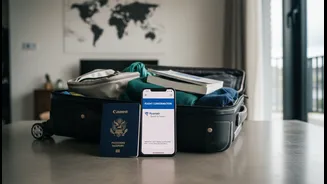
The paper TM6 arrival form is a thing of the past. All foreign nationals must now complete the Thailand Digital Arrival Card (TDAC) online before their trip. This must be done within 72 hours of your arrival. The process is free on the official immigration portal. After submission, you will receive a QR code, which you must present to the immigration officer. Completing this step in advance is essential and saves significant time and potential hassle at the airport.
Visa on Arrival: Know the Process
With the visa-free scheme discontinued for Indian passport holders, most last-minute travellers will be using the Visa on Arrival (VoA) facility. This allows for a stay of up to 15 days. To get a VoA, you'll need the documents mentioned above, plus a completed application form (available at the airport), a passport-sized photograph, and the visa fee of 2,000 THB, which must be paid in Thai Baht. For a longer stay or more certainty, applying for a 60-day tourist e-Visa in advance is the better option.
Why the Increased Scrutiny?
The tightening of entry rules is part of a broader strategy by Thai authorities to better manage tourist flows and curb the misuse of tourist visas, such as for illegal employment. After a period of more relaxed policies to revive post-pandemic tourism, the government is now focusing on what it terms 'quality tourism'. This involves stricter screening to ensure visitors are genuine tourists who can financially support themselves during their stay. While it adds a layer of planning for travellers, the goal is to ensure a more secure and regulated tourism environment.