








The Hidden Costs of Waiting
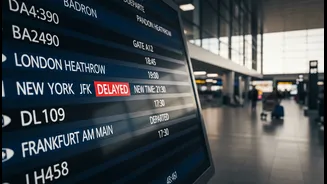
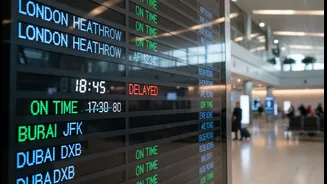
The immediate annoyance of a delayed flight often masks deeper financial and personal consequences. Studies show that a majority of passengers lose money due to disruptions. These are not just notional losses; they are real, out-of-pocket expenses. You
might miss a prepaid, non-refundable hotel night at your destination. Business travellers can lose income from cancelled meetings, while those on vacation might forfeit the cost of pre-booked tours. There are also the unplanned expenses that add up quickly: buying meals and drinks at inflated airport prices, purchasing essential toiletries for an unexpected overnight stay, or paying for last-minute transportation. Beyond the financial strain, there is a significant personal toll, including stress, fatigue from missed sleep, and the disappointment of missing important family events.
Your Shield: The DGCA Passenger Charter
In India, you are not powerless when facing these disruptions. Your rights as an air traveller are protected by a comprehensive set of rules laid out by the Directorate General of Civil Aviation (DGCA). These regulations, detailed in the Civil Aviation Requirements (CAR), are not just suggestions; they are legally binding obligations for all airlines operating in the country. The DGCA’s Passenger Charter translates these rules into a clear guide for flyers. Understanding this charter is your best defence, turning you from a passive victim of circumstance into an informed consumer who knows what they are owed.
Rights During a Flight Delay
What an airline owes you depends on the length of the delay. For a flight delayed by two hours or more, the airline is required to provide you with free meals and refreshments at the airport. If the delay extends to six hours or more, your options expand. The airline must offer you the choice of an alternative flight or a full refund of your ticket. Should a delay stretch overnight (for flights scheduled between 8 p.m. and 3 a.m. that are delayed by over six hours), the airline must provide you with free hotel accommodation and transportation to and from the airport. It's crucial to note that this 'duty of care'—providing meals and accommodation—applies even if the delay is caused by factors beyond the airline's control, like bad weather.
Entitlements for Flight Cancellations
If your flight is cancelled, your rights are even more clearly defined. If the airline fails to inform you of the cancellation at least two weeks prior to departure, you are entitled to a choice: either a full refund or an alternative flight. If you are notified of the cancellation less than 24 hours before departure, you may be entitled to monetary compensation in addition to a refund or re-booking. This compensation is structured based on the flight's block time, ranging from ₹5,000 to ₹10,000 for domestic flights. The refund must be processed within 7 working days for card payments and 14 working days if booked via a travel agent.
What if You're Denied Boarding?
Airlines sometimes sell more tickets than there are seats on a plane, a practice known as overbooking. If you are involuntarily denied boarding as a result, the DGCA mandates significant compensation. The airline must first try to find volunteers to give up their seats. If you are still bumped off the flight against your will, you are entitled to compensation of up to 400% of the booked one-way base fare plus fuel charge, with a cap of ₹20,000. This is in addition to being provided with an alternate flight or a full refund.
How to Enforce Your Rights
Knowing your rights is the first step; acting on them is the next. If you face a disruption, first approach the airline’s staff at the airport help desk. Ask for the reason for the delay or cancellation in writing and retain all documents: your boarding pass, booking confirmation, and any receipts for expenses incurred. If the airline does not provide the required assistance or compensation, your next step is to file a grievance on the AirSewa portal (airsewa.gov.in) or through its mobile app. This government platform directs your complaint to the concerned airline for resolution in a time-bound manner. If you remain unsatisfied, you can escalate the matter to a consumer disputes redressal commission.