


What Exactly Are Hydrogen Trains?
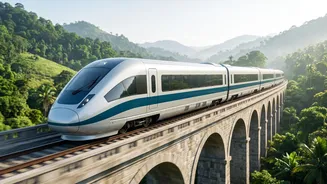
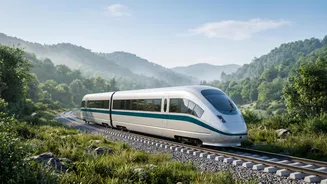
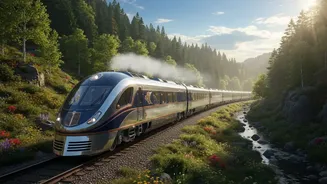
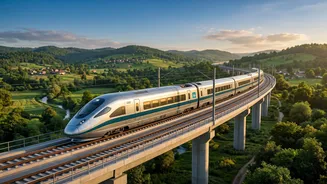
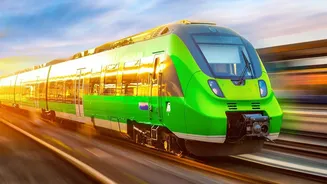
Imagine a train that runs on the most abundant element in the universe and emits only water vapour. That's the core idea behind a hydrogen train. Instead of a diesel engine or drawing power from overhead electric lines, these trains use onboard fuel cells.
Inside these cells, hydrogen stored in tanks reacts with oxygen from the air to generate electricity. This electricity then powers the train's motors. The only byproduct of this chemical reaction is water, making it a zero-emission mode of transport at the point of use. This technology is a key part of Indian Railways' ambitious plan to become a 'Net Zero Carbon Emitter' by 2030.
The 'Hydrogen for Heritage' Initiative
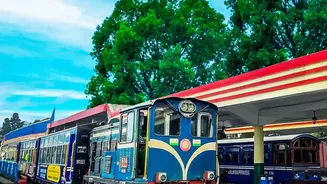
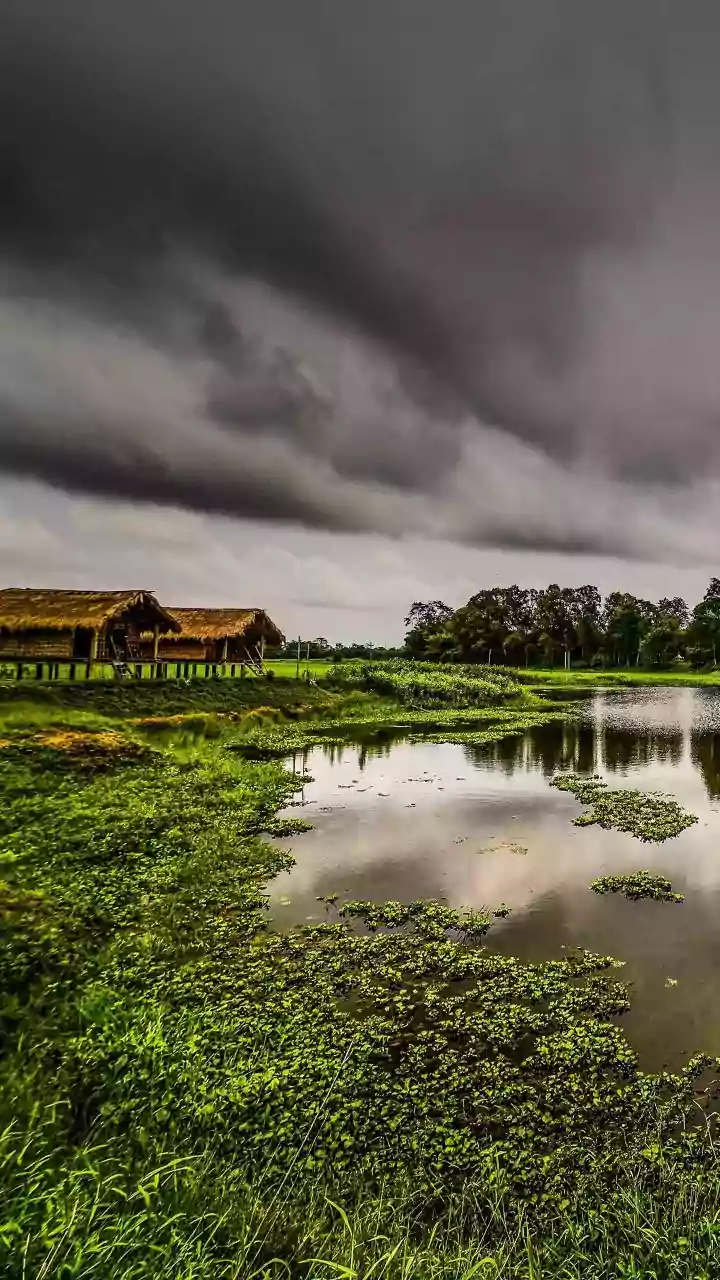
So, why start with heritage routes? The government's 'Hydrogen for Heritage' initiative is a strategic choice. These lines, like the Kalka-Shimla, Darjeeling Himalayan, and Nilgiri Mountain Railways, run through ecologically sensitive and beautiful landscapes. Using diesel engines in these pristine areas contributes to noise and air pollution. Electrifying these narrow-gauge tracks is extremely difficult and costly due to the challenging terrain, numerous tunnels, and sharp curves; plus, installing poles and overhead wires would detract from their historic charm and natural beauty. Hydrogen trains offer a perfect solution: they preserve the vintage appeal of the routes while eliminating harmful emissions. Indian Railways plans to introduce 35 such trains across eight heritage routes.
From Diesel Fumes to Water Vapour
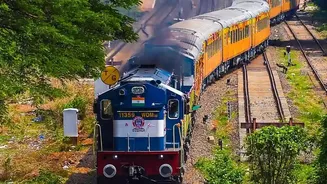
The contrast between the old and new technology is stark. The familiar chug and smoke of diesel locomotives, which have powered these 'toy trains' for decades, will be replaced by the quiet, clean operation of hydrogen fuel cells. Replacing a single diesel train with a hydrogen-powered one can cut emissions equivalent to taking around 400 cars off the road annually. This transition is about more than just technology; it's about safeguarding the fragile ecosystems of the Himalayas and other mountain regions for future generations. While India has already electrified a vast majority of its broad-gauge network, hydrogen offers a specialised solution for these unique, hard-to-electrify lines.
The Road Ahead: Trials and Challenges
The journey is underway, but it's a complex one. Indian Railways has been conducting pilot projects, most notably a prototype on the Jind-Sonipat section in Haryana, to gather crucial data on performance, safety, and operational viability under Indian conditions. The experience from this pilot will be vital for the heritage route deployment. However, there are significant hurdles. The cost of producing 'green' hydrogen (made using renewable energy) is currently high. Each hydrogen train is estimated to cost around ₹80 crore, with an additional ₹70 crore needed for ground infrastructure like refueling stations on each route. While there have been some initial stumbles, such as an early trial on the Kalka-Shimla track that was cut short, the commitment remains strong.
A Glimpse into India's Green Future
This initiative is a powerful symbol of India's larger ambitions. It aligns perfectly with the National Green Hydrogen Mission, which aims to make India a global hub for the production and export of this clean fuel. By pioneering this technology on such visible and beloved railway lines, India is not just upgrading its infrastructure but also making a bold statement on the world stage. It showcases a nation that is finding innovative ways to honour its rich past while moving decisively toward a sustainable future. The project joins a handful of other countries like Germany and China that are actively testing hydrogen rail technology.