





As the world embraces international travel with renewed enthusiasm, a new report serves as a reality check. The International Air Transport Association (IATA) has found that complicated immigration rules became a more significant barrier in 2026.
What IATA's Latest Survey Reveals
According
to IATA's 2026 Global Passenger Survey, the administrative hurdles of travel are casting a long shadow over wanderlust. The survey, which polled over 10,000 travellers from more than 200 countries, found that 43% of passengers have been discouraged from visiting a destination specifically because of its immigration requirements. This is a sharp increase from 33% reported in 2025, signalling a clear trend: crossing borders is getting more complicated. The primary culprit isn't cost or privacy concerns, although they play a role. A majority of these discouraged travellers—53%—pointed directly to the sheer complexity of the process itself. This suggests that despite a growing passenger interest in digital solutions like biometrics and AI for trip planning, the underlying bureaucratic framework is failing to keep pace.
The Paradox of Digital Travel
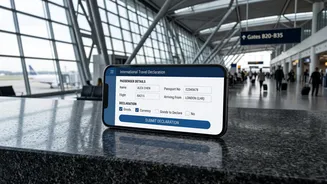
Interestingly, travellers are more willing than ever to embrace technology to smooth their journey. The IATA survey highlighted that passengers want to apply for visas online, complete immigration formalities before they even get to the airport, and use digital passports. Around 86% said they would share immigration information digitally to speed up processing. Yet, a disconnect remains. While over 100 countries now offer e-Visas, IATA's Senior Vice President, Nick Careen, noted a critical lack of consistency in how these digital documents are verified. This creates uncertainty for both airlines, who are often held responsible for passengers with improper documentation, and the travellers themselves. The result is a travel landscape where passengers have a clear appetite for digital convenience, but governments have not yet created the standardized, reliable systems needed to deliver it.
How This Affects Indian Travellers
For Indian nationals, who form one of the world's largest and fastestest growing groups of international travellers, these barriers are particularly relevant. Travellers from the Asia-Pacific region were the second most likely to be discouraged by entry requirements, at 49%. The demand for student, tourist, and skilled worker visas in countries like the United States, United Kingdom, Canada, and in the Schengen Area remains incredibly high. However, this demand is meeting significant processing bottlenecks. In 2026, Indian applicants have faced changes and increased complexity in visa rules for several destinations. For example, some US visa categories have seen fee increases and stricter interpretations of rules. Even popular destinations like Sri Lanka have updated their entry systems, now requiring an Electronic Travel Authorization (ETA) before arrival. While India itself is moving towards digitisation with its mandatory E-Arrival Card for foreign visitors, Indian citizens travelling abroad must navigate a fragmented and often confusing patchwork of international rules.
Navigating the New Travel Maze
The core message from IATA is a call for governments to simplify entry requirements and adopt consistent global standards for digital travel credentials. While this global change will take time, the immediate takeaway for travellers is the need for increased diligence. The era of assuming a simple visa-onarrival or a quick online form is fading for many destinations. Planning ahead has become nonnegotiable. This means checking the official immigration portals of destination countries shortly before any travel as rules can change without much notice. Travellers must budget more time not just for the trip itself but for the pretravel administrative process. Doublechecking documentation requirements understanding the nuances between an eVisa and an ETA and applying well in advance of planned departure dates are now fundamental steps to ensure a smooth journey. While technology promises a future of seamless travel the reality of 2026 is that the journey often begins with a mountain of paperwork—digital or otherwise.