






Confirm the Consistency of Rains
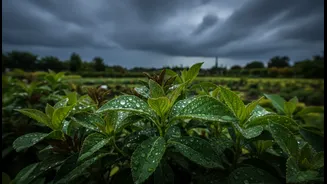
The initial showers are often just a precursor to the main event. Before you commit your seeds and saplings to the soil, observe the weather patterns for a few days. The ideal planting window opens when the rains become more consistent, not after a single
downpour. According to horticultural experts, the cooler temperatures and higher humidity that set in with the sustained monsoon in June and July create the perfect conditions for seed germination and plant survival. A sporadic start can lead to dry spells that damage young, vulnerable roots. Wait for the pattern of regular, gentle showers to establish itself, ensuring your plants get the consistent moisture they need to establish themselves without the stress of fluctuating conditions.
Assess Your Soil's Drainage Capacity
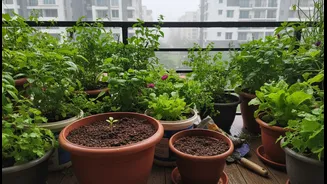
Water is a blessing, but waterlogging is a curse for most plants. Bengaluru's heavy monsoon downpours can quickly saturate pots and garden beds, leading to root rot. This is especially true for the city's dense, clay-heavy soils. Before planting, test your drainage. For pots, ensure they have ample drainage holes. For ground soil, dig a small hole, fill it with water, and see how quickly it drains. If it stands for hours, your soil is too compacted. To improve it, mix in organic matter like compost, or porous materials like cocopeat and sand. Creating raised beds is another excellent strategy to allow excess water to flow away from the delicate root zone, a critical step for a healthy monsoon garden.
Select Monsoon-Appropriate Plants
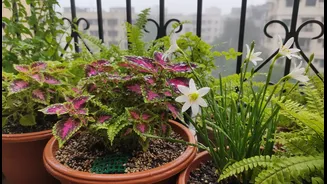
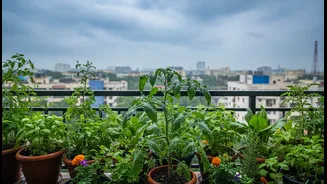
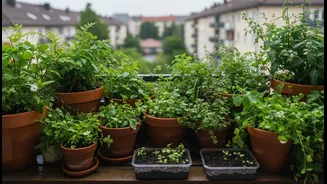
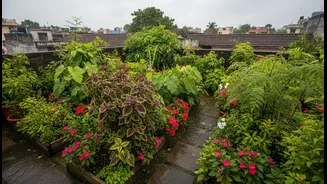
Not all vegetables and flowers are created equal when it comes to handling the monsoon. This season favours plants that can withstand high humidity and are less prone to fungal diseases. For your kitchen garden, consider vegetables that thrive in these conditions, such as okra (bhindi), various gourds, beans, tomatoes, and green chillies. Leafy greens like amaranth (chaulai) and spinach also do well. If you're planting flowers, the aptly named Rain Lily is a star performer, often blooming right after the first heavy rains. Other good choices include marigold, hibiscus, and jasmine. Choosing the right species is half the battle won.
Prepare for Pests and Fungal Attacks
Unfortunately, the high humidity and moisture that your plants love are also an open invitation for pests and diseases. Slugs, snails, aphids, whiteflies, and mealybugs become far more active during the rainy season. Fungal issues like powdery mildew and leaf spot are also common. Prepare your defence in advance. Pruning plants to ensure good air circulation can help keep foliage dry and less susceptible to fungus. Keep an organic solution like neem oil spray handy; a simple mixture of neem oil, liquid soap, and water sprayed weekly can effectively manage most common pests without harming the environment. Regular inspection is key to catching any infestation early.
Plan Your Nutrient Management Strategy
While the rain provides ample water, it can also be a double-edged sword for soil nutrients. Heavy downpours can wash away, or 'leach', essential nutrients from the topsoil, leaving your plants hungry despite the lush growth. It's crucial to start with nutrient-rich soil by incorporating plenty of compost or well-rotted manure before planting. However, be prepared to supplement this. During the monsoon, it's often recommended to use fertilizers at half-strength but apply them more frequently to compensate for the leaching. Yellowing leaves can be a sign of nutrient washout. A light dose of a balanced fertilizer after a dry spell can make a significant difference.
Provide Physical Support for Plants
The monsoon season in Bengaluru often comes with strong winds and lashing rain, which can easily damage or break tender plants. Vining vegetables like beans, gourds, and even tomato plants require physical support to thrive. Plan your support structures like stakes or trellises before the plants get too big. Installing them early prevents root disturbance later on. Gently tying the stems to the supports will protect them from snapping in the wind and also improve air circulation, further reducing the risk of fungal diseases. For taller, more delicate flowering plants, a simple stake can be the difference between a healthy bloom and a broken stem.