







The Launchpad to Profit
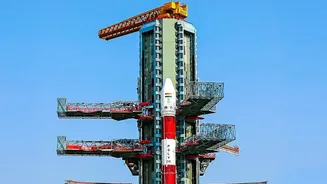
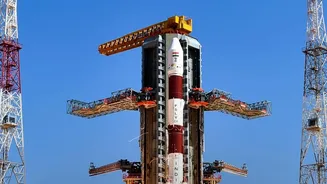
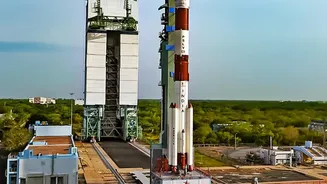
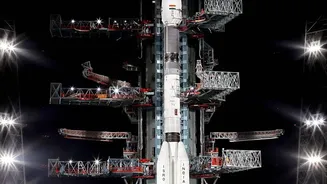
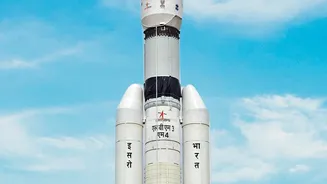
For decades, the Indian Space Research Organisation (ISRO) was the sole driver of India's space ambitions. Now, a new chapter is unfolding, powered by private enterprise. The launch vehicle market is at the heart of this transformation. India’s PSLV rocket
has long been a globally trusted, cost-effective option for launching satellites. Building on this reputation, a new wave of startups is entering the fray. Companies like Skyroot Aerospace, which successfully launched its Vikram-1 rocket, and Agnikul Cosmos, known for its 3D-printed engines, are developing a new generation of rockets. Their goal is to make satellite launches even more frequent, affordable, and accessible. This positions India not just as a user of space technology, but as a competitive global hub for launching satellites for customers worldwide, creating an upstream manufacturing and services boom.
A New Constellation of Manufacturers
Alongside launch vehicles, the satellite manufacturing industry is undergoing a revolution. The focus is shifting from large, multi-purpose government satellites to smaller, specialised constellations built by private firms. Startups like Pixxel are deploying hyperspectral imaging satellites that can see the Earth in unprecedented detail, while companies like Dhruva Space are building versatile satellite platforms. This private-led manufacturing boom creates a robust domestic supply chain for high-tech components, from propulsion systems to space-grade electronics. Policy reforms and the establishment of the Indian National Space Promotion and Authorisation Centre (IN-SPACe) have been crucial, providing private companies access to ISRO's facilities and expertise, accelerating their development and fostering a collaborative ecosystem.
Downstream Data: The Real Goldmine
While rockets and satellites are impressive, the most significant economic growth is expected from downstream applications—the services powered by satellite data. This is where space technology directly impacts everyday life and various sectors of the economy. Satellite data is already transforming agriculture through precision farming, helping farmers monitor crop health and optimise water usage. In urban planning, it tracks development and manages resources. For disaster management, it provides critical early warnings for cyclones and floods, saving lives and resources. The Indian satellite data services market is projected to grow dramatically, from around $422 million in 2023 to over $1 billion by 2028. This data provides actionable insights for logistics, infrastructure monitoring, and even financial services, creating immense value and high-skilled jobs.
An Ecosystem Built for Growth
The government's role has pivoted from being the sole operator to becoming a key enabler of this new space economy. The Indian Space Policy 2023 clearly demarcates the roles of ISRO, which will now focus more on advanced research and development and strategic missions, and the private sector. IN-SPACe acts as a single-window agency, streamlining authorisations and promoting industry participation. Furthermore, policy changes, including liberalised Foreign Direct Investment (FDI) guidelines, are designed to attract private capital and global partnerships. From just a handful in 2020, India is now home to over 450 space startups, attracting significant investment and signalling strong confidence in the sector's future. This supportive framework is essential to de-risk private investment and scale up domestic production for both local and global markets.