


Kuttu ki Puri (North India)
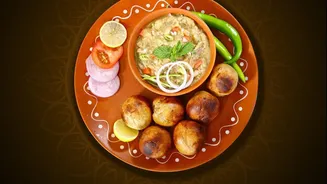
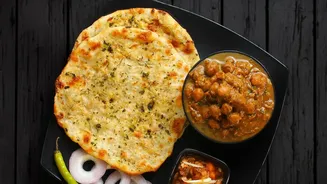
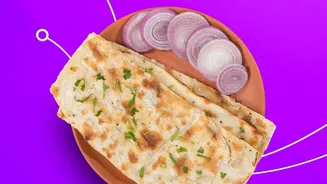
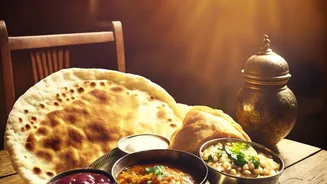
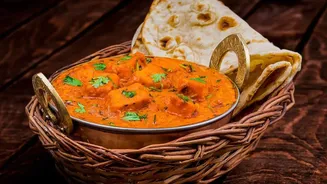
A quintessential fasting food in Northern India, especially Uttar Pradesh, Kuttu ki Puri is a deep-fried, puffy bread made from buckwheat flour. Unlike wheat flour, buckwheat (kuttu) is permitted during Sawan fasts. The dark, nutty-flavoured flour is often
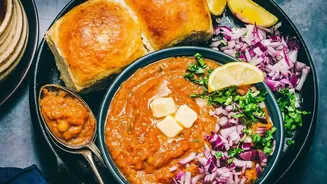
mixed with boiled and mashed potatoes, which act as a binding agent since buckwheat is gluten-free. Seasoned simply with rock salt (sendha namak) and perhaps some cumin, the dough is rolled into small discs and fried until crisp. These puris have a delightfully earthy taste and a slightly dense, satisfying texture. They are typically served hot with a simple potato curry (vrat wale aloo) or a bowl of plain curd, turning a day of abstinence into a hearty feast.
Sabudana Khichdi (West and Central India)
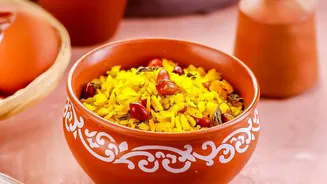
Perhaps the most famous fasting dish in India, Sabudana Khichdi is a staple in states like Maharashtra, Gujarat, and Madhya Pradesh. It's made from soaked tapioca pearls (sabudana), which are sautéed with boiled potato cubes, coarsely crushed roasted peanuts, and a simple tempering of cumin seeds and green chillies in ghee. The result is a delightful mix of soft, chewy pearls and crunchy peanuts. This dish is light on the stomach yet provides a good amount of energy, making it ideal for fasting days. It’s a comforting and flavourful one-pan meal that has become synonymous with vrat cuisine across the country.
Farali Pattice (Western India)
Originating in Maharashtra and extremely popular in Gujarat, Farali Pattice is a delicious snack enjoyed during fasts. These are crisp potato patties with a surprise inside. The outer layer is a simple mash of boiled potatoes, often bound with arrowroot flour or water chestnut flour. The magic lies in the stuffing: a sweet and savoury mixture of fresh grated coconut, roasted peanuts, cilantro, green chillies, and sometimes nuts and raisins. The patties are then shallow or deep-fried until golden brown. The contrast between the crispy potato exterior and the soft, flavour-packed filling makes it an irresistible treat during Sawan evenings.
Singhare ke Atte ka Halwa (North India)
No festive meal is complete without a sweet, and during Sawan, Singhare ke Atte ka Halwa often takes centre stage, especially in regions like Rajasthan and Uttar Pradesh. Made from water chestnut flour (singhara atta), this halwa has a unique, slightly nutty flavour and a rich, crumbly texture. The flour is roasted in ghee until it turns a deep brown and releases a fragrant aroma. It's then cooked with sugar and either water or milk until it thickens, and finally garnished with nuts like almonds and pistachios. This dessert provides warmth and sustained energy, making it a perfect, comforting sweet for a long fasting day.
Makhana Kheer (East India)
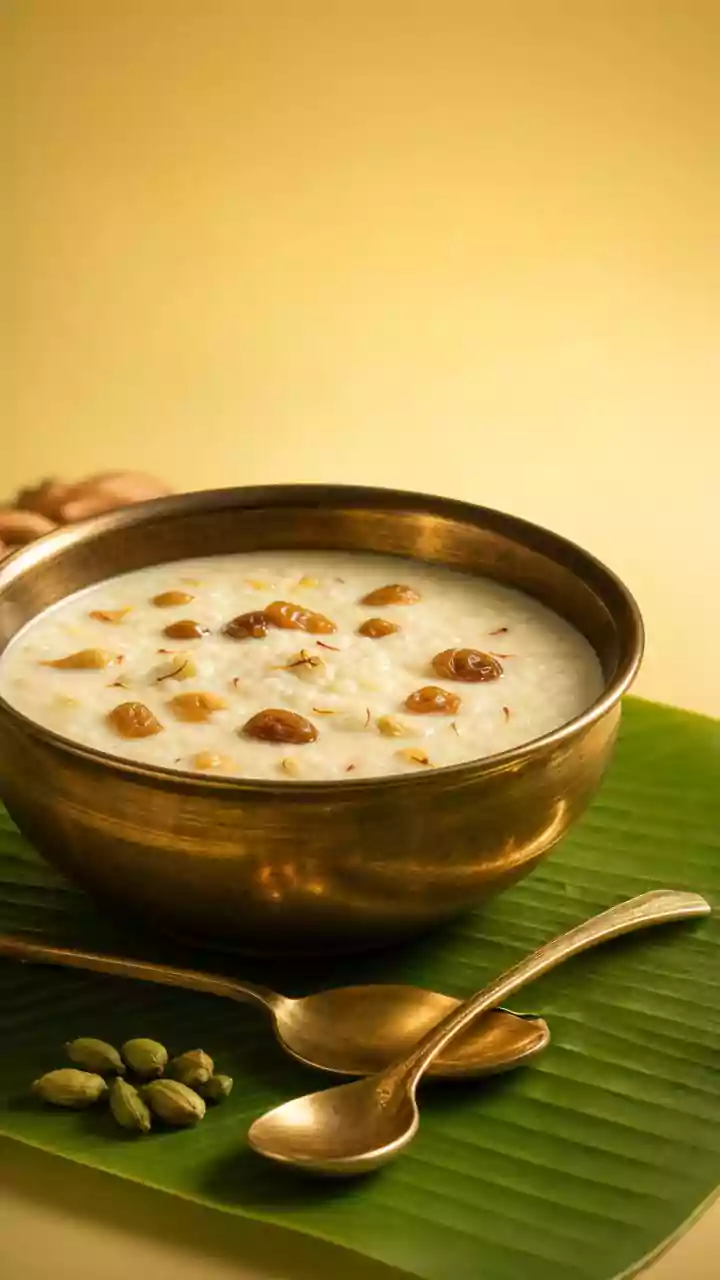
Associated closely with Bihar, Makhana Kheer is a creamy, luxurious dessert that fits perfectly within the rules of sattvic eating. Makhana, or fox nuts, are puffed lotus seeds that are light, airy, and rich in calcium. To make the kheer, the makhana are lightly roasted in ghee until crisp, then simmered in milk until they soften and the milk thickens. The dessert is sweetened with sugar and delicately flavoured with cardamom and saffron, with a garnish of chopped nuts. It's a wholesome and divine pudding that feels both indulgent and light.
Samak Chawal Pulao (Pan-India)
When regular rice is off the menu, barnyard millet, known as Samak Chawal or Vrat ke Chawal, comes to the rescue. This tiny, gluten-free grain is a fantastic rice substitute used across India to make a fragrant pulao. The millet is cooked much like rice, often with a tempering of cumin, green chillies, and whole spices like cloves and cinnamon in ghee. Boiled potatoes and roasted peanuts are common additions, adding substance and texture. This pulao is a light yet filling main course that is easy to digest and pairs beautifully with yogurt or a simple potato curry.
Sweet Potato Kaap (South India)
While Sawan fasting traditions vary in South India, simple and sattvic preparations are common. One such dish is Ratalyache Kaap, or pan-fried sweet potato slices. This Maharashtrian and South Indian preparation is simple and delicious. Thin slices of sweet potato are pan-fried in ghee until they are tender on the inside and slightly crisp and caramelised on the outside. They are often lightly seasoned with rock salt and cumin powder. The natural sweetness of the sweet potato shines through, making it a comforting and nutritious dish that can be enjoyed as a snack or a side dish during the fast.