






The Psychology of the Drop
The fashion industry has mastered the art of manufactured desire. The modern 'drop' model, where new styles are released in limited quantities every week, is not just a sales strategy; it's a psychological tool. It taps directly into our brain's reward
system. The anticipation of a new release, combined with the fear of missing out (FOMO), creates a rush of adrenaline and dopamine. This 'reward-seeking loop' makes the act of browsing and buying feel like a form of entertainment, triggering a short-term emotional high that quickly fades, leaving you waiting for the next hit. Brands understand that scarcity, even if manufactured, makes an item seem more valuable, creating an urgency to buy immediately. This feeling is amplified by social media, where influencer 'hauls' and trend cycles create a sense of pressure to constantly update one's look, leading many to feel they can't wear the same outfit twice.
From Four Seasons to 52 Micro-Seasons
Not long ago, the fashion calendar was built around two to four seasons: Spring/Summer and Autumn/Winter. Designers worked months in advance to create collections that would define a period. Today, that model has been replaced by an accelerated cycle of 52 'micro-seasons'. Some ultra-fast fashion brands now introduce thousands of new styles to their websites daily. This relentless churn is designed to make consumers feel perpetually out of date. Trends that once lasted for years now have a lifespan of weeks, creating a phenomenon of 'microtrends' that rise and fall at breakneck speed. This system turns clothing from a durable good into a disposable one, designed not for longevity but for a fleeting moment on a social media feed.
The Declining Lifespan of Our Clothes
This constant push for newness comes at a cost to quality. To keep prices low and production high, fast fashion relies on cheaper, often synthetic, materials and rapid manufacturing. As a result, the lifespan of our clothing has plummeted. Studies show that garment usage has decreased by over 36% in the last 15 years, with many fast fashion items worn only seven to ten times before being discarded. This is intentional. The business model depends on clothes falling apart or falling out of style quickly, ensuring you return for the next trend. Psychologically, the low price makes us place less value on the item. If it tears after a few wears, the financial loss feels minimal, making it easier to simply throw it away and buy another cheap replacement.
India's Growing Mountain of Textile Waste
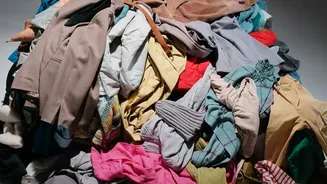
The consequences of this overconsumption are piling up, quite literally. In India, the textile industry is the third-largest generator of dry municipal waste. According to a March 2026 report from the Ministry of Textiles, the country generates approximately 7.07 million tonnes of textile waste annually. While a significant portion is recovered, much of what consumers discard ends up in landfills. These mountains of clothes, often made from non-biodegradable synthetic fibres like polyester, can take hundreds of years to decompose, leaching harmful chemicals and microplastics into the soil and water. Reports indicate that the average Indian consumer wears only about 35% of their wardrobe regularly, with a significant amount of money wasted each year on clothes that are rarely, if ever, worn.
Reclaiming Your Wardrobe
Breaking free from this cycle doesn't mean giving up on fashion. It means shifting your mindset from chasing trends to cultivating personal style. The short-lived happiness from a cheap purchase often gives way to buyer's remorse when the item's poor quality is revealed. True satisfaction comes from investing in pieces that are made to last and that you genuinely love to wear. Before making a purchase, it helps to ask if it fills a real need in your wardrobe or just a fleeting want created by clever marketing. Wearing a garment at least 30 times can significantly reduce its environmental impact. Embracing repair, valuing quality over quantity, and understanding what truly suits you are powerful steps. By consciously choosing to buy less but better, we can find more joy in the clothes we own and disrupt the system that profits from our dissatisfaction.