








Redefine 'Elite' and 'Security'
First, let's get one thing straight. When savvy travellers talk about 'elite' budget lodges, they aren't referring to five-star luxury. 'Elite' in this context means a premium experience: clean, well-designed spaces, fast and free Wi-Fi, comfortable beds,
vibrant common areas, and a great community vibe. It’s about value, not opulence. Similarly, 'high security' isn't about armed guards. It's about smart, practical safety measures: 24/7 reception, secure personal lockers, CCTV in common areas, keycard access to rooms, and, increasingly, female-only dorms. The first step is to adjust your search filters and mindset from 'luxury' to 'smart, modern, and well-reviewed'.
Embrace the Boutique Hostel Revolution
The days of dingy, questionable dorm rooms are long gone. India is home to a booming ecosystem of boutique hostel chains like Zostel, goStops, The Hosteller, and Moustache, which have mastered the art of the elite-secure-cheap trifecta. These aren't just places to sleep; they are curated experiences. They are typically located in safe, central areas and offer a mix of private rooms and dorms. Security is a top priority because their brand reputation depends on it. They offer organised activities, from city walks to bonfire nights, fostering a sense of community that adds another layer of informal security. Booking directly through their websites can sometimes unlock better deals than aggregator sites.
Become a Digital Detective on Booking Platforms
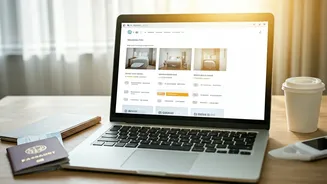
Booking.com, Agoda, and Hostelworld are powerful tools if you know how to use them. Don't just sort by price. The real gems are found by applying layers of filters. Start by filtering for a review score of 8.5 or higher. Then, use keyword searches within the reviews. Look for terms like 'safe for solo female', 'clean bathroom', 'great Wi-Fi', 'community', and 'helpful staff'. Pay close attention to the most recent reviews, as management and quality can change quickly. Also, scrutinise the photos. Look for pictures of lockers, common areas, and bathrooms. If a property only shows a picture of a nearby monument and a heavily edited shot of a bed, be sceptical.
Leverage Social Media and Community Knowledge
The best recommendations often come from other travellers. Instagram is a visual search engine for this. Search hashtags like #[City]Hostel (e.g., #JaipurHostel) or check the geotags of popular tourist spots to see where travel influencers and backpackers are staying. Join travel-focused Facebook groups for India or specific regions. These communities are filled with people happy to share their recent experiences. A simple post like, 'Looking for a safe, social, and budget-friendly stay in Rishikesh for a solo traveller' can yield dozens of vetted suggestions that you won't find on the first page of a Google search. Reddit communities like r/IndiaTravel are also invaluable sources of candid, unfiltered advice.
Consider Co-living Spaces for Longer Stays
For trips lasting a week or more, co-living spaces are an emerging and fantastic option. Originally designed for digital nomads and young professionals, places like CoLive, Stanza Living, and other local brands offer rooms or apartments with shared amenities. Because they cater to a residential crowd, security is robust, and facilities like high-speed internet, kitchens, and workspaces are top-notch. While they might seem more expensive per night, booking a weekly or monthly stay can often be significantly cheaper than a hotel or even some hostels, providing a stable, secure, and comfortable base for exploring a city in depth.
Master the Art of Off-Season and Mid-Week Booking
The final hack is all about timing. The same 'elite' room that costs a fortune during the peak tourist season (like December in Goa or May in Manali) can be available for a fraction of the price during the shoulder or off-season. Not only are the prices lower, but the properties are also less crowded, leading to a more relaxed experience and more personal attention from staff. If your travel dates are flexible, aim for mid-week stays (Tuesday to Thursday), as prices almost always spike over the weekend. Use price-tracking features on booking apps to get alerts when prices for your desired properties drop.