


The Viral Viewpoint Trap
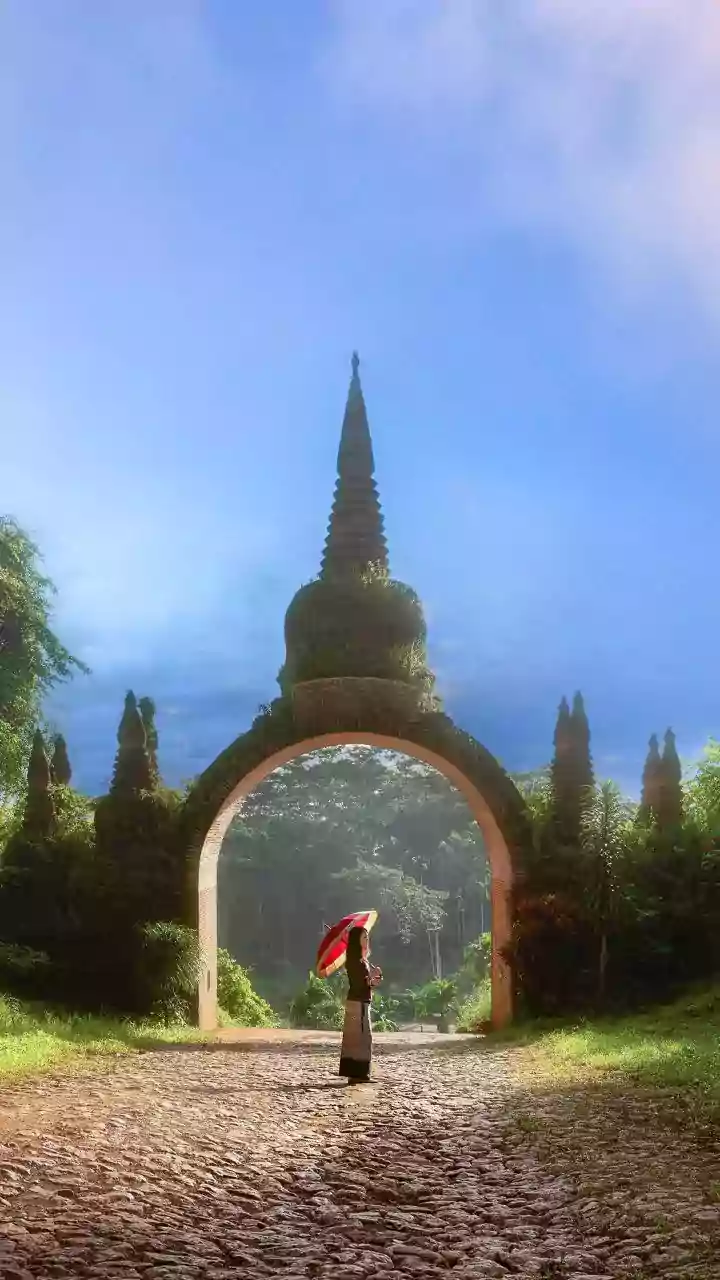
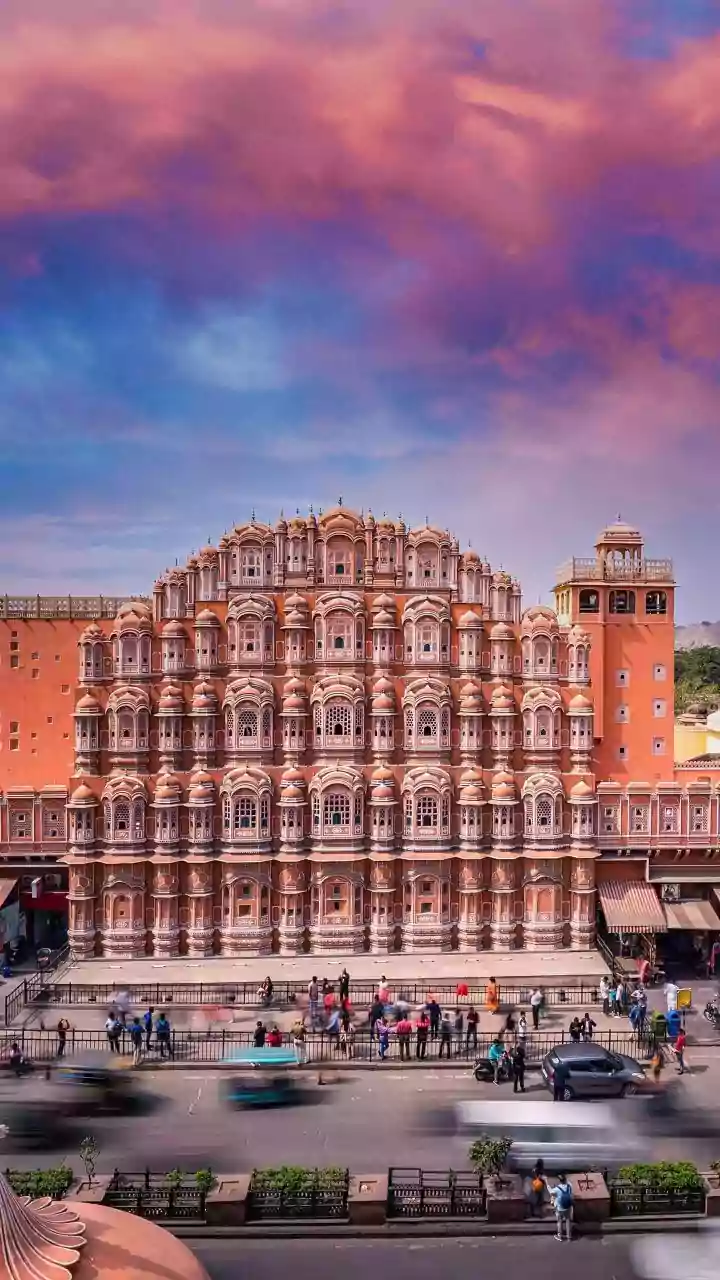
Instagram Reels and other short-form videos have revolutionised how we discover travel destinations. A 30-second clip can turn a remote spot into a viral sensation overnight. Suddenly, that quiet monastery in Ladakh or that secluded beach in Goa is flooded
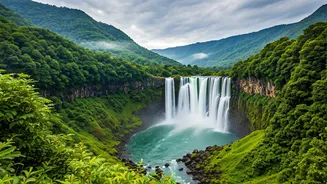
with visitors, all seeking to replicate the exact same shot they saw online. While this can bring welcome tourism to some areas, it often creates a dangerous disconnect between the polished, perfect digital image and the on-ground reality. The Reel doesn't show the slippery, unpaved trail to the waterfall, the lack of safety barriers at the cliff edge, or the flash flood warning that was issued for the region that very morning. This phenomenon, often called 'Instagram-trashing' or over-tourism, puts both travellers and delicate ecosystems at risk.
When Paradise Becomes Precarious
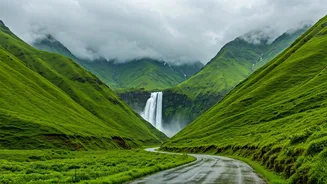
The problem with many Reel-famous locations is that they weren't designed for high footfall. That stunning mountain viewpoint might be accessible only by a treacherous, unofficial trekking path. During monsoon season, the serene river crossing you saw online could become a raging torrent. In recent years, India has seen a rise in tourist-related accidents at such spots. From falls at crowded viewpoints to people getting swept away by sudden currents in spots popularised on social media, the risks are real. The pressure to get the perfect photo or video can lead to reckless behaviour, like ignoring warning signs, venturing into restricted areas, or underestimating the physical challenge of a hike. The inspiration is free, but the cost of ignoring safety can be immense.
Your Pre-Trip Safety Checklist
A great trip begins long before you pack your bags. Before you let a Reel dictate your itinerary, transform that inspiration into a smart plan with some essential research. First, look beyond the glossy posts. Search for the location's name along with terms like “safety,” “accident,” or “reviews.” This will bring up blog posts, news articles, and forum discussions that offer a more realistic picture. Second, check the season and weather. A place that’s idyllic in winter may be dangerously prone to landslides during the monsoon. Government weather websites and local tourism boards are your best friends here. Finally, assess the accessibility. Is there a proper road? Does your phone network even work there? Look at the location on a detailed map, not just the geotag. Understanding the terrain and infrastructure is crucial.
Smarter Decisions On The Ground
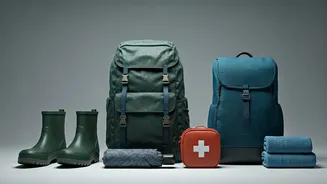
Once you arrive, being a smart traveller is about awareness and respect. If a place looks dangerously overcrowded, consider coming back at a less popular time or skipping it altogether. Your safety is worth more than a photo. Always prioritise official guidance over herd mentality. If a local authority or guide says an area is unsafe, listen to them. They know the terrain and its hidden dangers. For treks or adventurous activities, always hire a certified, reputable guide. They not only ensure your safety but also enrich the experience with local knowledge. It’s also wise to inform a friend or family member of your detailed itinerary, especially if you’re heading to a remote area. And perhaps most importantly, carry a basic first-aid kit and have emergency contact numbers for the local area saved offline.
The Real Destination: Beyond The 'Gram
It’s time to reframe our travel goals. Is the purpose of the trip to simply capture a photo that looks like everyone else’s, or is it to have a genuine, memorable, and safe experience? Often, the most rewarding moments aren’t found at the most crowded viewpoint. They’re found in the conversation with a local shopkeeper, the unplanned detour down a beautiful country road, or the simple act of watching a sunset without a phone in your hand. Use Reels as a starting point for inspiration, a spark to explore a new region. But then, let curiosity and a healthy dose of caution be your guides. You might discover a place that’s even more beautiful—and much safer—than the one you saw online, creating a memory that is uniquely yours.