
In a recent video, Sonia Gandhi fondly recalled a sweet rice dish from her family's Diwali celebrations, sparking curiosity and shining a light on a treasured Kashmiri delicacy. This nostalgic mention has unveiled a story richer than just memory.
A Memory Steeped in Tradition
During
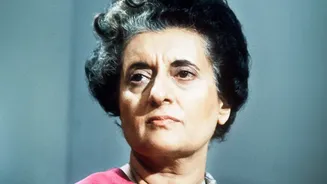
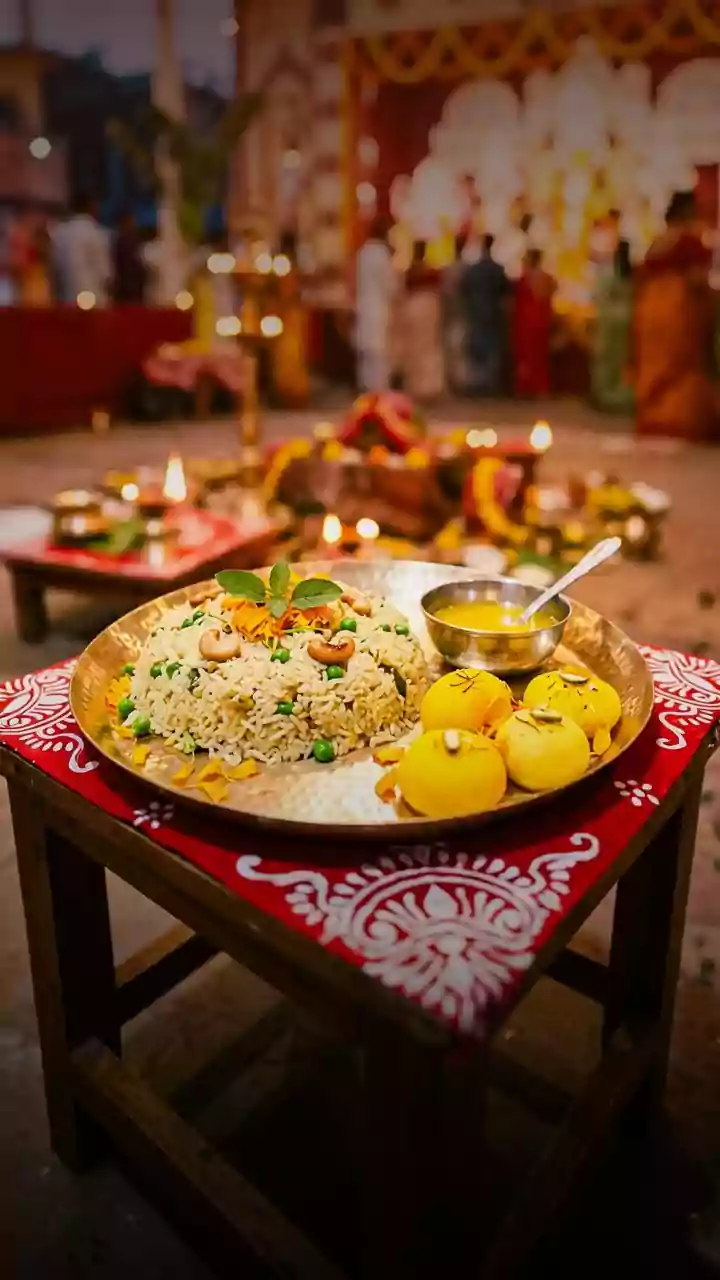
a conversation with her daughter Priyanka and granddaughter Miraya, Sonia Gandhi reminisced about Diwali at 1, Safdarjung Road, the home of her mother-in-law, Indira Gandhi. She spoke of how the festival table always included Kashmiri food, specifically mentioning a 'sweet rice' that the family still prepares to this day. While she did not name the dish, the description immediately brought to mind Modur Pulav, a classic preparation that holds a special place in the region's culinary heritage, deeply connected to the Nehru family's Kashmiri Pandit roots. This tradition, started by Indira Gandhi, is a poignant example of how food acts as a vessel for cultural identity, carrying flavours and memories across generations.
What Exactly Is Modur Pulav?
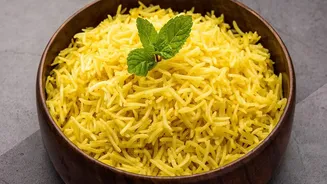
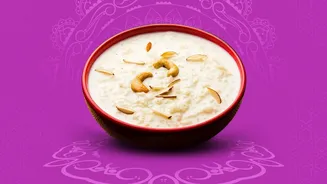
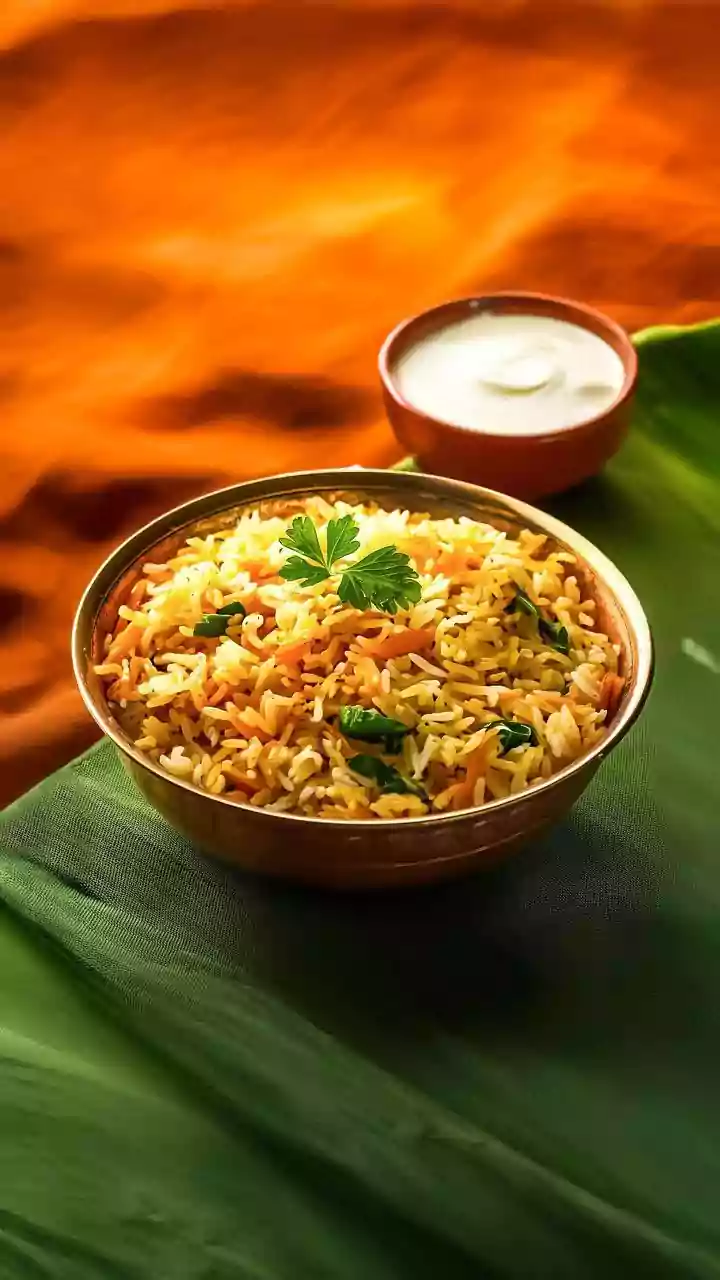
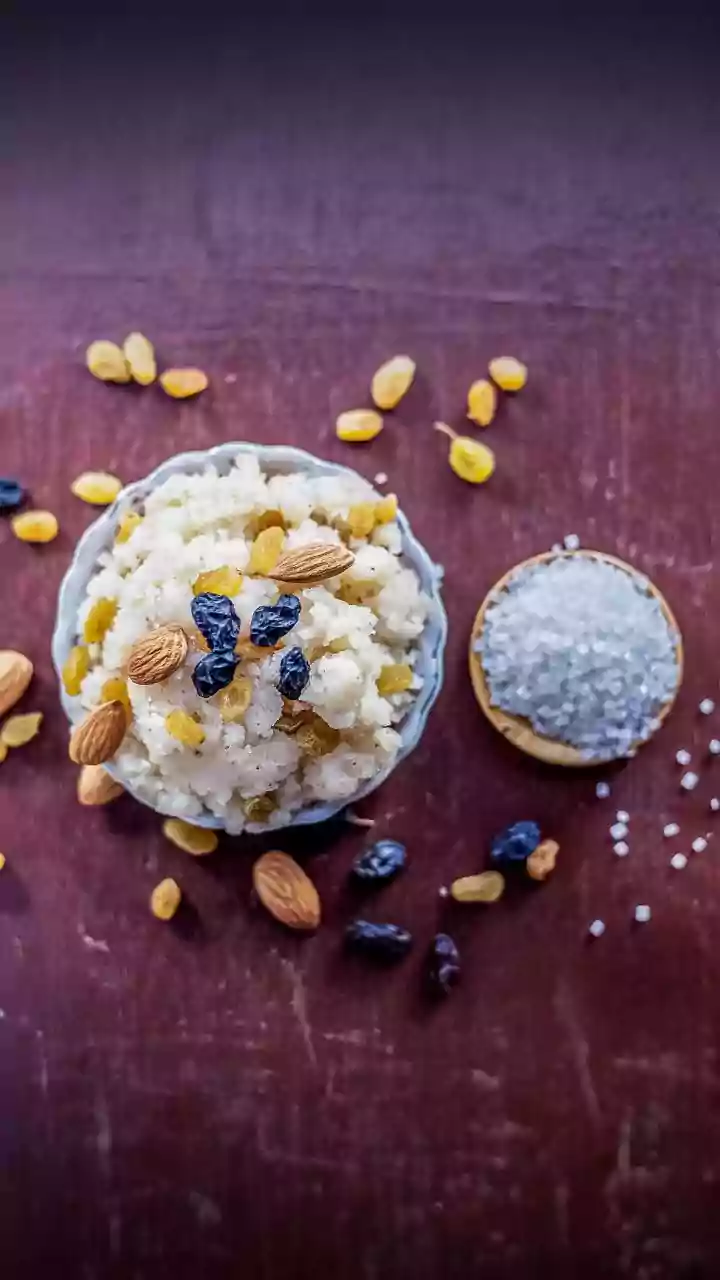
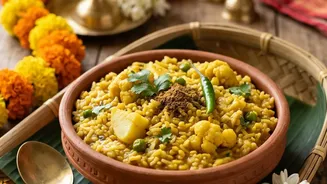
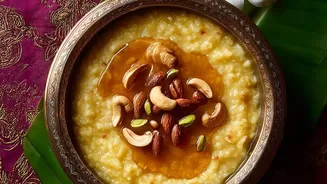
For those unfamiliar with the nuances of Kashmiri cuisine, the term 'sweet pulao' might seem unusual. But Modur Pulav is a celebrated dish, and for good reason. The word 'Modur' itself means sweet in the Kashmiri language. It is an aromatic rice dish made with long-grain Basmati rice, cooked to perfection in ghee with a delicate balance of sugar. Its signature golden hue and enchanting fragrance come from generous strands of saffron, the prized spice of Kashmir. The dish is further enriched with a lavish assortment of fried nuts and dried fruits, commonly including almonds, cashews, walnuts, and raisins, making it a truly festive preparation.
The Heart of Kashmiri Pandit Cuisine
Modur Pulav is more than just a sweet dish; it is a cornerstone of Kashmiri Pandit celebratory food. It is often served during weddings, festivals, and other significant family gatherings. The cuisine of Kashmiri Pandits is distinct from the more widely known Wazwan (Muslim ceremonial feast). It is characterised by the prominent use of yoghurt, asafoetida (hing), fennel powder, and dried ginger, while notably omitting onion and garlic from most traditional preparations. This creates a unique flavour profile that is both complex and subtle. Dishes like Dum Aloo, Nadru Yakhni (lotus stem in yoghurt), and Haak (collard greens) are staples, and Modur Pulav fits perfectly into this culinary philosophy, often served alongside savoury dishes to provide a delightful contrast.
A Dish That Crosses Borders
The history of pulao in the region is ancient, with sweet and savoury rice preparations being part of Kashmiri feasts for centuries. While some trace Modur Pulav's influences to the Mughal era, given their love for rich, elaborate rice dishes, its place in Pandit homes suggests a deeper, indigenous history. It is a dish cooked in both Kashmiri Pandit and Muslim homes for special occasions, showcasing a shared cultural fabric. The preparation represents hospitality and abundance, a way of bringing families and communities together around the dining table. In a world of fast-changing traditions, the continued preparation of dishes like Modur Pulav in households like the Gandhis' highlights a powerful connection to ancestry and heritage that resonates far beyond the kitchen.