

The Unfiltered Connection
In the pre-social media era, the relationship between fans and players was managed by official broadcasters and journalists. Platforms like X (formerly Twitter) and Instagram blew this model apart, giving cricketers a direct and unfiltered line to their
audience. Now, players can share training videos, behind-the-scenes moments, personal milestones, and even their own analysis, bypassing traditional media gatekeepers entirely. This has humanised them, allowing fans to feel a closer, more personal connection than ever before. For a generation of fans, watching a match with a social media feed open is now an immersive experience, creating a real-time global conversation.
From Cricketer to Global Brand
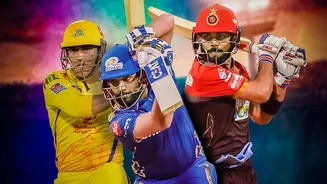
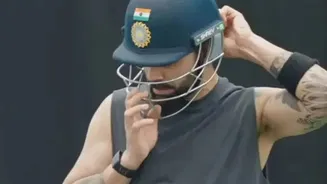
This direct access to millions of followers has enormous commercial value. Cricketers are no longer just athletes; they are powerful brands. Virat Kohli is the ultimate example, having leveraged his massive following—among the largest for any athlete globally—into a business empire. Reports suggest he earns crores for a single sponsored Instagram post, placing him in the same league as global icons like Cristiano Ronaldo and Lionel Messi. This has opened up huge revenue streams beyond central contracts and match fees. Active social media presence is now a commercial asset, turning follower counts into lucrative endorsements for everything from sportswear to luxury cars. Many have also launched their own ventures, from fashion labels and restaurant chains to tech startups, using their digital platforms as a launchpad.
The Double-Edged Sword of Scrutiny
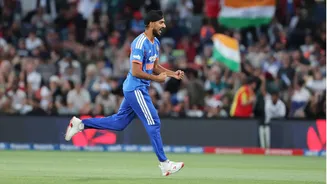
However, this constant connectivity comes at a price. The same platforms that offer connection also expose players to relentless scrutiny and abuse. A poor performance on the field can trigger a torrent of hateful comments and trolling. The abuse is often not limited to the player; families become targets, with threats directed at wives, partners, and even young children. Cricketers like KL Rahul have spoken about how this negativity affects their mental health, especially during periods of poor form when they need support the most. The pressure to maintain a perfect image is immense, and a single poorly-worded post can ignite a major controversy. Players like Mohammed Shami have faced vicious communal abuse after a loss, while others like Arshdeep Singh and his girlfriend have been relentlessly harassed online.
A Playbook for the Next Generation
For today's young and upcoming cricketers, managing a social media presence is no longer optional—it's an essential part of building a career. Players like Shubman Gill have used their online influence to secure major sponsorship deals early in their careers. Social media offers a platform to showcase their skills and personality, attracting the attention of scouts, sponsors, and fans long before they become household names. They are growing up in an ecosystem where a digital brand is as important as on-field performance. This generation understands innately that their value extends beyond the boundary rope, and they are leveraging these tools to build a public profile from day one. It has become a fundamental part of what it means to be a modern professional athlete.