




Your Gut Is a Garden
Imagine your gut not just as a digestive tube, but as a bustling, microscopic metropolis. This is your microbiome, a community of trillions of bacteria, viruses, and fungi. For a long time, we thought of bacteria only as germs to be destroyed. Now, science
reveals that the vast majority of these tiny inhabitants are essential partners in our health. They help digest food, synthesise crucial vitamins, regulate our immune system, and even communicate with our brain. A healthy gut is often defined by its diversity; a wide variety of microbial species is linked to better health outcomes, while low diversity is associated with conditions like obesity, diabetes, and inflammatory diseases.
The Consistent Truths of a Happy Gut
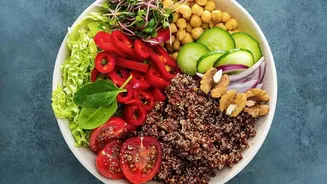
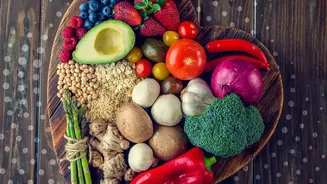
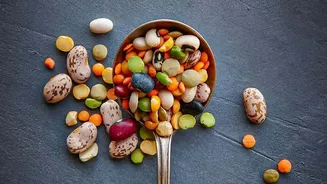
Amid the noise and marketing, researchers agree on a few core principles for feeding our microbiome. The first and most important is fibre. Humans can't digest dietary fibre, but our gut bacteria can. They ferment it, producing beneficial compounds called short-chain fatty acids (SCFAs). These SCFAs nourish the cells lining our colon, strengthen the gut barrier, and reduce inflammation. This is why diets rich in a variety of plant-based foods—fruits, vegetables, whole grains, nuts, and seeds—are consistently linked to a healthier microbiome. Another consistent finding revolves around fermented foods. Items like yogurt, kefir, and kimchi can introduce beneficial bacteria and increase microbial diversity, which in turn helps reduce inflammation.
The Personalised Nutrition Promise
This is where the future gets exciting—and complicated. A growing number of companies now offer to analyse a stool sample, map your unique gut microbiome, and provide a personalised diet plan based on the results. The promise is to go beyond generic advice and offer precise recommendations—eat more of this, less of that—to optimise your unique microbial community for better health, from improved digestion to weight management. Using machine learning algorithms, these services aim to predict how your body and its microbes will respond to specific foods, a concept that a one-size-fits-all approach cannot match.
Why It's Still an Experiment
While the science is promising, it is also in its infancy. The primary challenge is the sheer complexity and variability of the microbiome. Your gut community can change based on what you ate yesterday, your stress levels, or how well you slept. What one study finds in a specific population may not apply to another due to differences in geography, genetics, and lifestyle. Furthermore, scientists are still working to understand the precise functions of many bacterial species and how they interact with each other and the host. Just because a certain bacterium is present doesn't mean we know exactly what it's doing or how to manipulate it predictably. We are moving from identifying correlations to proving causation, and that takes time and much more research.
What You Can Do Today
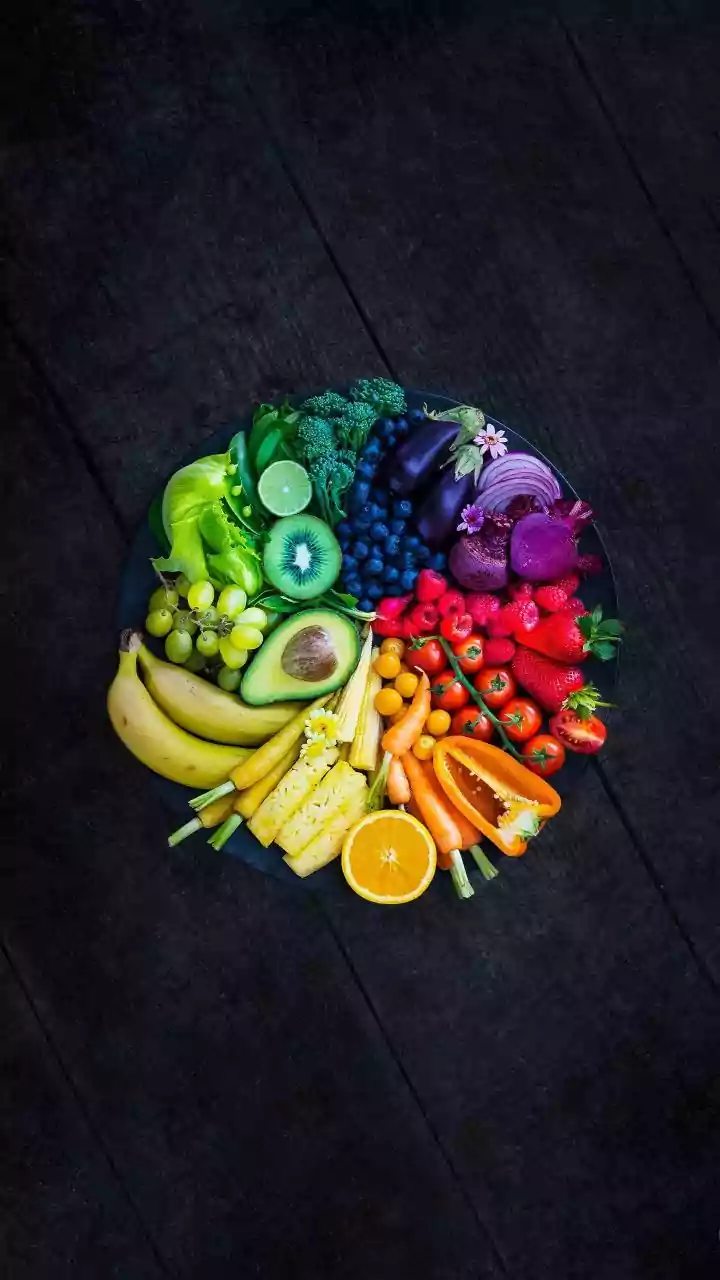
The good news is that you don't need an expensive test or a futuristic algorithm to start improving your gut health right now. The foundational principles are clear, simple, and backed by strong evidence. Focus on eating a wide variety of plant foods to get the fibre and phytonutrients that beneficial microbes love. Aim to “eat the rainbow” to ensure a diverse intake of nutrients. Incorporate fermented foods into your diet where possible. Reduce your intake of ultra-processed foods, which are often low in fibre and high in additives that can disrupt microbial balance. These simple, consistent actions form the bedrock of a gut-friendly lifestyle, providing the vast majority of benefits that science has firmly established.