





Choose Your Destination Wisely
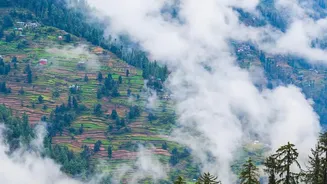
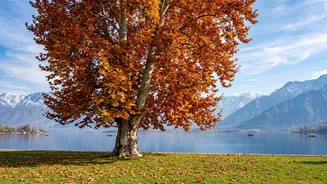
October is a sweet spot for mountain travel in India; the monsoon has washed everything clean, and the harshness of winter is still weeks away. In the north, destinations in Himachal Pradesh and Uttarakhand like Manali, Shimla, Auli, and Joshimath are
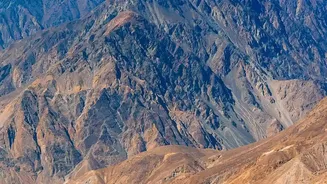
popular choices, offering pleasant weather and stunning scenery. This is often the last call for high-altitude road trips to places like Spiti Valley, as the passes begin to close with the first heavy snowfalls by late October or early November. Further east, parts of Sikkim and Arunachal Pradesh are accessible and showcase vibrant autumn colours. In the south, the Western Ghats—including Coorg and Munnar—are lush and green after the rains, with waterfalls in full flow and comfortable temperatures.
Decode the Transitional Weather
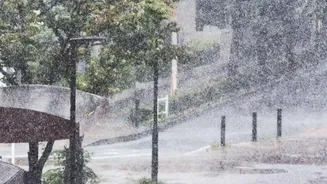
October is a month of transition, and mountain weather is notoriously unpredictable. While generally marked by clear skies, it's a period between the withdrawal of the southwest monsoon and the arrival of winter's western disturbances. This means you can get perfect sunny days, but you should also be prepared for sudden shifts. In the Himalayas, daytime temperatures can be pleasant, but nights get cold quickly, especially at higher altitudes. Isolated rainfall is still possible in both the northern and northeastern states. Always check the latest forecasts from a reliable source like the India Meteorological Department (IMD) just before you leave. A forecast on October 5, 2026, for example, indicated the possibility of rain in Himachal Pradesh and Uttarakhand between October 5 and 10, highlighting how conditions can change. Don't rely on week-old information; get the latest update a day before your trip.
Navigate Post-Monsoon Roads
While the views are clearer, post-monsoon roads require caution. The rainy season often leaves behind damaged tarmac, and the risk of landslides remains, especially on fragile slopes. Areas in Himachal and Uttarakhand are particularly vulnerable. Before you set off, check for recent news on road closures or blockages, especially for your intended route. Local police social media pages and online travel forums can be valuable sources for real-time updates. In mountain driving, an open road is not always a guarantee of a smooth journey. Be prepared for rough patches, narrow sections where repairs are underway, and potential delays. Always have a buffer in your itinerary to account for unforeseen hold-ups. Driving after dark is best avoided.
Prepare Your Vehicle Thoroughly
Your car is your most important partner on a mountain drive, and a thorough check-up is non-negotiable. Start with the essentials: tyres, brakes, and engine fluids. Ensure your tyres have adequate tread; all-terrain (AT) tyres are highly recommended over standard highway tyres for better grip on treacherous roads. Check and top up all essential fluids, including engine oil, coolant, and brake fluid. Brakes are critical for hill driving, so have the brake pads checked and replaced if necessary. Also, test all your lights and the horn—both are crucial for safety on winding mountain roads where visibility can be poor. Finally, make sure your wipers are in good condition for unexpected rain or splashback.
Pack for Safety and Comfort
Packing for a mountain drive goes beyond clothes. Layering is key—pack thermals, sweaters, and a windproof jacket. Even if the day feels warm, temperatures can plummet. Carry a well-stocked first-aid kit, along with any personal medications. Since mobile networks can be unreliable in remote areas, download offline maps of your route. A portable tyre inflator, a basic toolkit, and a tow strap can be lifesavers. Also pack high-energy snacks and sufficient water in case you are stranded due to a roadblock. Having a physical copy of your car documents, identification, and hotel bookings is also a wise backup in areas with poor connectivity.