


Why Rain Unlocks a Secret World
The common assumption is that heavy rains make forests inaccessible and force animals into hiding. While it’s true that many core zones of famous national parks close down, the monsoon transforms the landscape in ways that actually improve wildlife sightings.
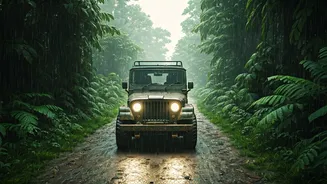
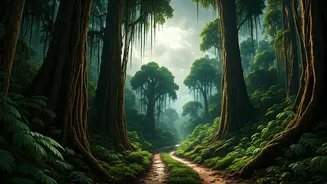
The parched earth turns into a lush, emerald carpet. Water sources multiply, so animals don't have to travel far for a drink, often congregating near smaller, newly formed streams and pools. The undergrowth becomes thick, but the constant drizzle dampens the forest floor, muffling the sound of safari jeeps and allowing for a quieter, stealthier approach. Furthermore, the reduced tourist traffic means a more intimate and undisturbed experience with nature. The air is clean, the dust is settled, and the forest feels truly alive.
Periyar National Park, Kerala: A Lakeside Spectacle
While many parks in North India shut down, Periyar in the Western Ghats remains open and offers a completely different kind of safari experience. The heart of the park is the vast Periyar Lake, and the best way to explore it is by boat. During the monsoon, the lake is full, and the surrounding forests are a brilliant, saturated green. Elephants, in particular, love the rain and can often be seen playing in the water with their young. Herds of sambar deer, gaur (Indian bison), and wild boar frequently come to the water's edge to graze on the fresh vegetation. The boat safari provides a unique, unobtrusive vantage point, allowing you to watch these animals against a backdrop of mist-covered hills. It’s a photographer’s dream and a serene way to witness the ecosystem in full bloom.
Tadoba-Andhari Tiger Reserve, Maharashtra: The Tiger's Oasis
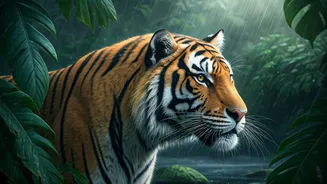
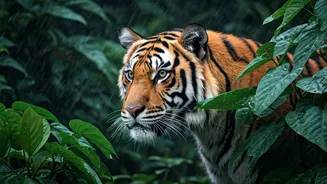
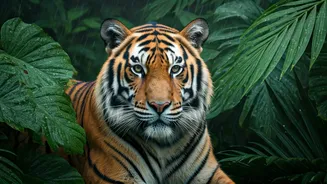
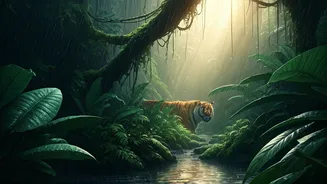
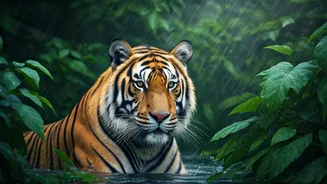
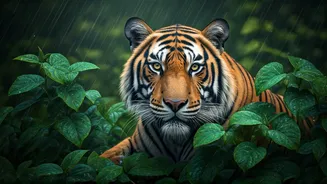
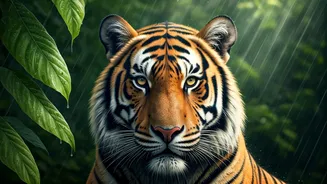
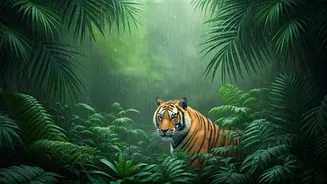
Tadoba is one of the few major tiger reserves in India that keeps some of its buffer zones and even core zones (depending on the year's regulations) open during the monsoon. This makes it a prime destination for spotting the big cat. The park's landscape, dominated by teak and bamboo, becomes incredibly dense and green. While tracking can be more challenging, the rewards are immense. Tigers are often seen patrolling their territories along the waterlogged tracks or cooling off in puddles. The rain brings out a plethora of other life too. It's an excellent time to spot reptiles and amphibians, and the chorus of croaking frogs provides a constant soundtrack to your safari. The dramatic, stormy skies create a powerful backdrop for any tiger sighting, making it a truly unforgettable experience.
Jim Corbett's Buffer Zones, Uttarakhand: A Quieter Quest
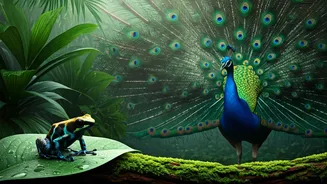
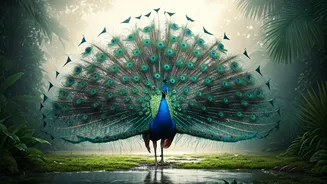
The core areas of India’s oldest national park, Jim Corbett, are closed during the monsoon to allow the forest to rejuvenate. However, its buffer zones, such as Sitabani and Jhirna, often remain accessible. These zones are teeming with wildlife and offer a more peaceful safari experience away from the usual crowds. The monsoon is the breeding season for many species. You'll hear the loud, distinctive calls of peacocks and might even witness their spectacular courtship dances. The Sal forests look magnificent after being washed clean by the rains, and spotting herds of elephants or a lone barking deer against this verdant landscape feels magical. This is the perfect option for those who value the atmosphere of the forest as much as the sightings themselves.
Keoladeo National Park, Rajasthan: A Bird-Watcher's Paradise
For bird lovers, the monsoon is a magical time at Keoladeo National Park (formerly Bharatpur Bird Sanctuary). The rains fill the wetlands, attracting resident bird species that begin their breeding activities. While the famous migratory birds arrive in winter, the monsoon offers a chance to see native species like painted storks, herons, egrets, and kingfishers in their full breeding plumage. The park can be explored on foot, by bicycle, or on a cycle-rickshaw, allowing you to quietly observe the birds as they build nests and raise their young. The entire sanctuary comes alive with the sounds of courtship calls and flapping wings. It’s a different kind of wildlife experience—less about chasing big mammals and more about immersing yourself in the delicate, vibrant world of birds.