
Think in Zones, Not Rooms
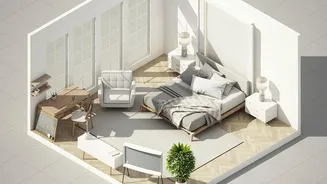
The first step to creating a successful multi-purpose room is to stop thinking of it as one monolithic space. Instead, think of it in terms of functional zones. You can create distinct areas for working, relaxing, and dining, even in a small studio apartment.
Area rugs are a designer's best friend for this task; placing a rug under your seating area can visually separate it from a workspace. You can also use furniture placement to create these divisions. For instance, the back of a sofa can act as a soft wall, delineating the living zone from a dining or office nook. Even a simple, open-backed bookshelf can create separation without blocking light or sightlines, making the room feel organized rather than chaotic.
Choose Furniture That Works Overtime
In a room that does everything, every piece of furniture must earn its keep. The era of single-use items is over, making way for smart, multi-functional pieces. A sofa that converts into a bed is a classic example, but modern design offers much more. Look for coffee tables that lift to become dining tables or workstations, and ottomans that provide seating, a footrest, and hidden storage all in one. Expandable dining tables can accommodate guests without permanently taking up valuable floor space. Modular sofas can be reconfigured to suit different activities, from movie nights to formal gatherings. Even smaller items like nesting tables offer flexibility, providing extra surface area when needed and tucking away neatly when not in use.
Master Vertical and Hidden Storage
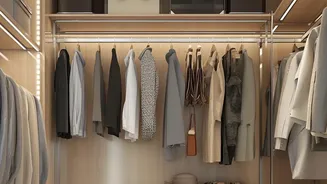
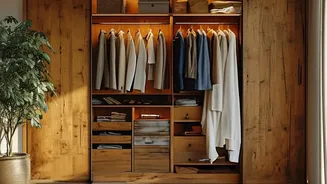
Clutter is the enemy of a peaceful, multi-functional space. The solution is often to look up. When floor space is limited, vertical storage becomes essential for keeping a room organized and feeling open. Floor-to-ceiling bookshelves or floating wall shelves draw the eye upward, creating an illusion of height while providing ample storage for books, decor, and essentials. Don't overlook hidden storage opportunities, either. Beds with hydraulic lifts or built-in drawers are perfect for stowing away seasonal bedding and clothing. Ottomans and benches with storage compartments can hide away everything from blankets to children's toys. Some designers even suggest converting an underused closet into a compact, self-contained office nook that you can close the door on at the end of the day.
Let There Be Adaptable Light
Lighting plays a crucial role in defining the mood and function of different zones within a room. A single, harsh overhead light won't do. Instead, use a layered lighting strategy. You'll want bright, focused task lighting for a work or study area, which could be a stylish desk lamp. For the living or relaxation zone, use warmer, ambient light from floor lamps or table lamps to create a cozy atmosphere. Putting lights on dimmer switches is a simple but highly effective way to transition a space from a bright, functional work area during the day to a soft, relaxing lounge in the evening. This ability to change the lighting helps signal to your brain what a space is for at any given moment.
Unify with a Cohesive Palette
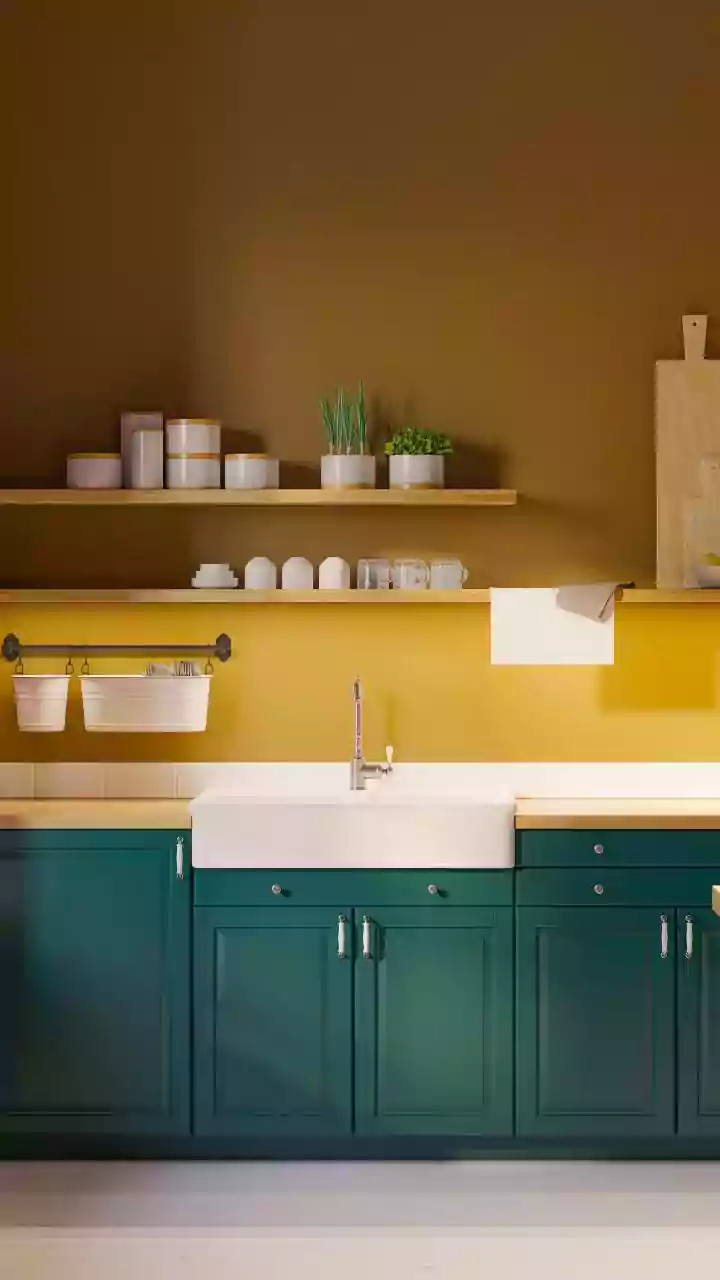
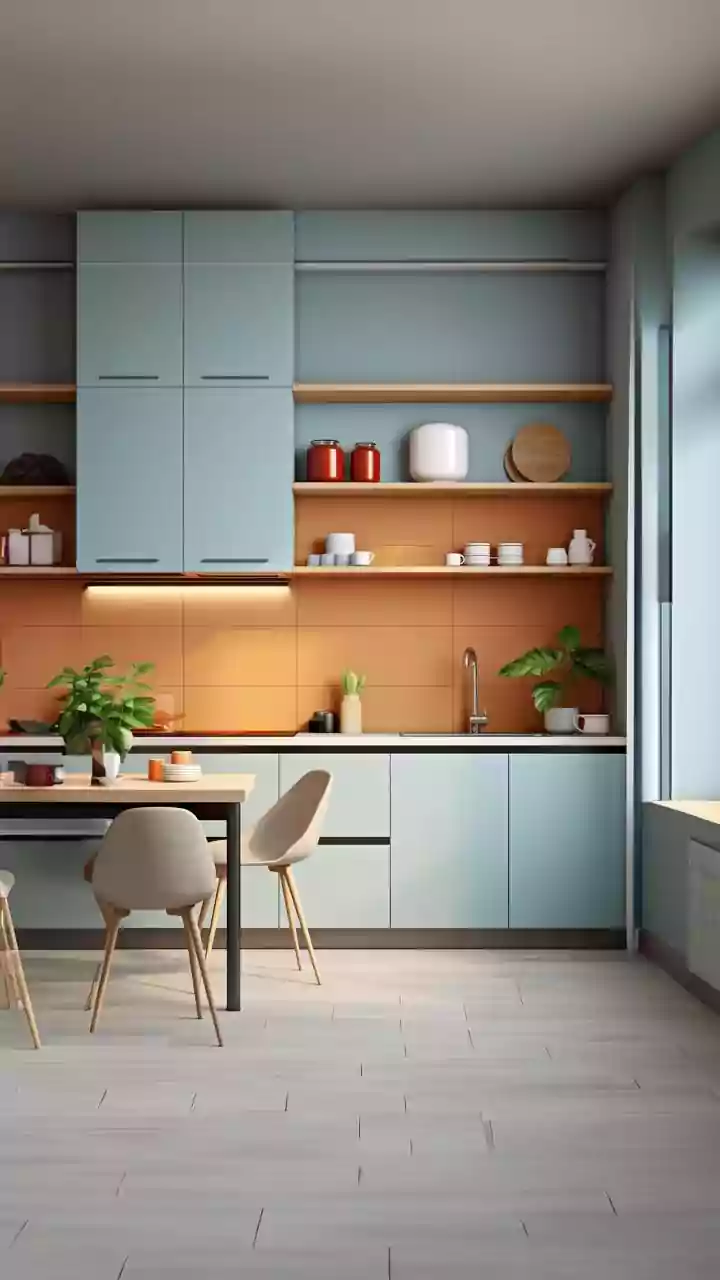
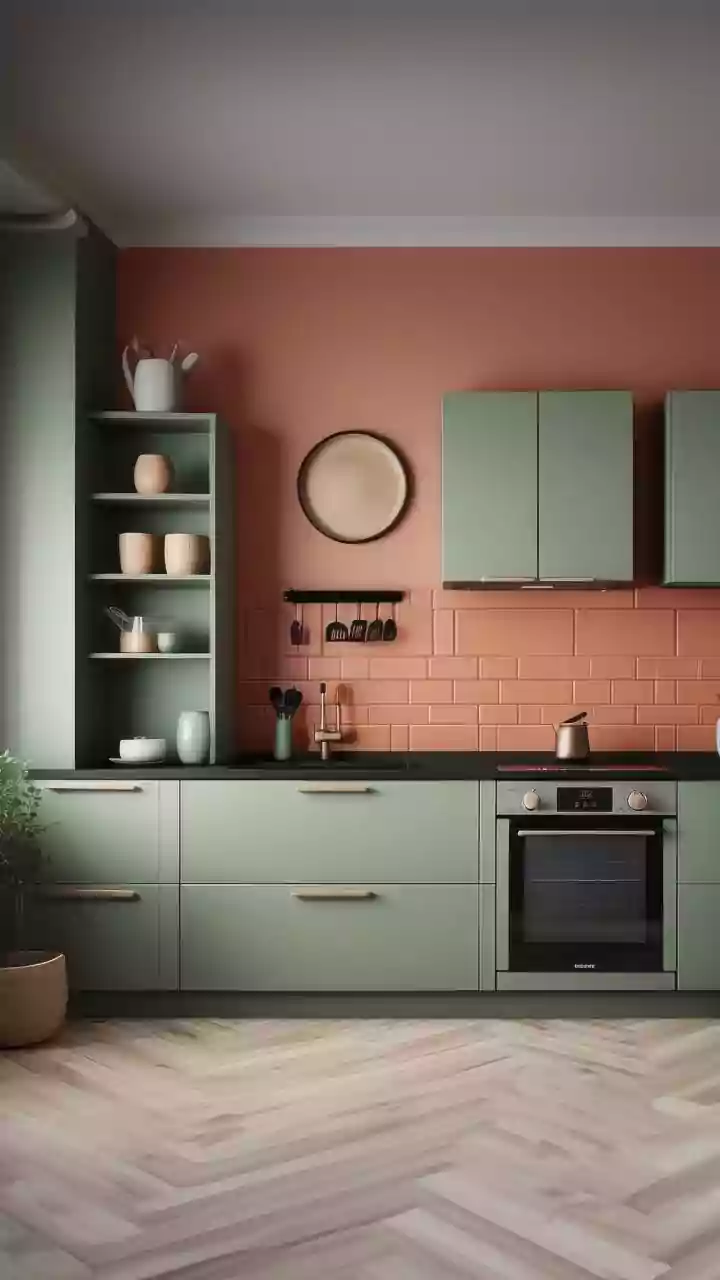
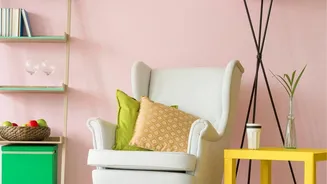
With so much activity happening in one room, a scattered color scheme can make the space feel chaotic and visually cluttered. Using a consistent, neutral color palette is a powerful way to make a multi-functional room feel cohesive and serene. Light and neutral colors like whites, beiges, and soft grays are known to make small spaces feel larger and more open by reflecting light. This doesn't mean the room has to be boring. You can introduce personality and define zones with accent colors through textiles like cushions, throws, and rugs, or with carefully chosen artwork. A unified backdrop allows the different functional areas to exist harmoniously without competing for attention, creating a space that is both practical and restful.