







Why Monsoon Wreaks Havoc On Skin
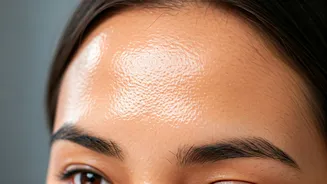
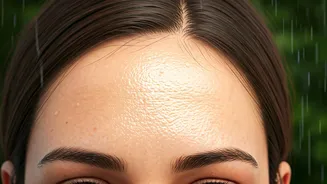
The main culprit during the rainy season is humidity. When the air is heavy with moisture, our skin's sebaceous glands are triggered to produce more oil, or sebum. This excess oil mixes with sweat, dirt, and dead skin cells, creating a perfect storm for
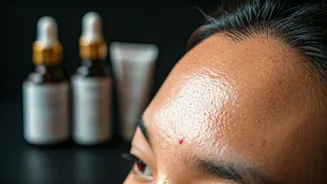
clogged pores, which leads to blackheads, whiteheads, and inflamed pimples. The constant dampness can also encourage bacterial growth, making breakouts more frequent and harder to manage. Your skin might feel oily on the surface but can be dehydrated underneath, leading to an imbalance that worsens skin texture and dullness.
Cleanse Gently, But Twice A Day
It's tempting to wash your face repeatedly to get rid of the grease, but over-cleansing can strip your skin of its natural oils, causing it to produce even more sebum to compensate. The key is to cleanse gently but thoroughly, twice a day. Opt for a mild, gel-based cleanser. Look for ingredients like salicylic acid, which is oil-soluble and can penetrate deep into pores to dissolve blockages. This helps remove the daily build-up of grime and sweat without causing irritation. Always pat your face dry with a clean towel to avoid transferring bacteria back onto your fresh skin.
Switch To A Lightweight Moisturiser
Skipping moisturiser is a common mistake for oily skin types, but it's a crucial step. Dehydrated skin often produces more oil to make up for the lack of moisture. During the monsoon, swap your heavy creams for a lightweight, non-comedogenic (pore-clogging) moisturiser. Gel-based or water-based formulas are your best friends in humid weather. They provide essential hydration without leaving a sticky or greasy residue. Look for ingredients like hyaluronic acid, which hydrates deeply, and niacinamide, which helps regulate oil production and calm inflammation.
Don't Skip Sunscreen, Even When It's Cloudy
This is non-negotiable. Harmful UV rays can easily penetrate through monsoon clouds and cause significant skin damage. Sun exposure can also worsen inflammation and lead to darker post-acne marks. For oily skin, the thought of another layer can be daunting, but modern sunscreens are formulated to be comfortable. Choose a lightweight, oil-free, or gel-based sunscreen with at least SPF 30. Look for formulas labelled 'non-comedogenic' to ensure they won't clog your pores.
Exfoliate, But Don't Overdo It
Exfoliation is vital for removing the layer of dead skin cells that can trap oil and lead to breakouts. However, aggressive physical scrubs can irritate already inflamed skin. Instead, opt for gentle chemical exfoliation once or twice a week. Products containing Alpha Hydroxy Acids (AHAs) or Beta Hydroxy Acids (BHAs) like salicylic acid work wonders. These ingredients dissolve the bonds holding dead skin cells to the surface, revealing brighter skin and keeping pores clear.
Incorporate A Clay Mask
A weekly clay mask can be a fantastic addition to your monsoon routine. Clay, such as bentonite or kaolin, is excellent at drawing out excess oil, impurities, and toxins from the pores. Using a clay mask once a week can help mattify the skin, reduce shine, and prevent the pore blockages that lead to acne. It's like a deep-cleaning session that resets your skin and helps keep it balanced throughout the week.
Pay Attention To Lifestyle Habits
Your daily habits play a huge role in skin health. Try to avoid touching your face, as your hands can transfer dirt and bacteria. Change your pillowcases and towels frequently, as they can accumulate oil, sweat, and bacteria. If you have long hair, keep it tied back and clean, as oil from your hair can transfer to your face. Staying hydrated by drinking plenty of water helps flush out toxins and maintain skin balance from within. What you eat also matters; some find that reducing sugar and fried foods can help manage breakouts.