

The Overlapping Maps
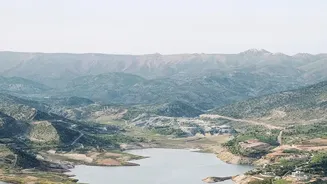
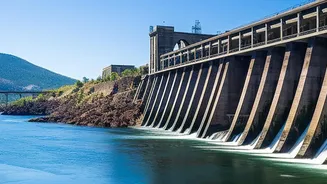
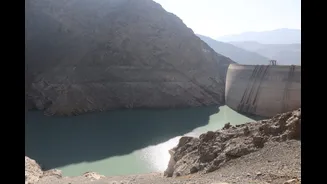
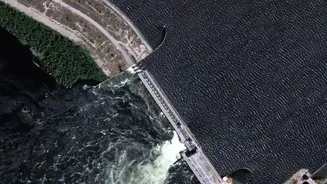
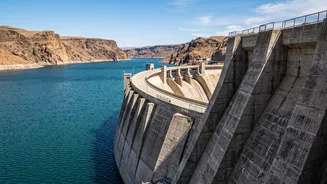
The core of the recent discussion stems from new analysis, highlighted in reports from outlets like The New York Times, which observes a striking geographical overlap between many of Iran's 533 dams and the locations of suspected missile facilities. Researchers
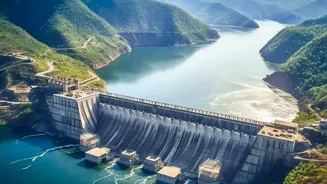
noted that a map of recent US and Israeli airstrikes against military targets bears a resemblance to a map of Iran's water infrastructure. This has led to speculation that some dams, particularly those without a clear economic or civilian purpose, might be serving a dual-use function. The theory posits that these structures could be providing essential resources, such as a steady supply of water and electricity, to sprawling, and often underground, military complexes sometimes referred to as 'missile cities'. However, it's crucial to note that this link remains speculative and is not based on direct evidence.
The Strategic Value of Dual-Use Infrastructure
From a military standpoint, the logic behind using civilian infrastructure is clear: it ensures operational continuity. For secretive and critical military sites, especially underground ones designed to withstand attack, having an independent power and water source is a major strategic advantage. It would reduce reliance on the national grid, which could be a primary target in any conflict. Dams can generate significant hydroelectric power and manage large water reserves, both essential for maintaining large, long-term underground bases that house personnel and sensitive equipment. This concept isn't unique to Iran; throughout modern history, nations have integrated critical civilian infrastructure into their broader defence strategies, blurring the lines between what is purely civilian and what could be considered a military asset.
Skepticism and Alternative Explanations
Despite the intriguing correlations, many experts have urged caution, arguing that proximity does not prove causality. Some analysts point out that of Iran's more than 500 large dams, fewer than 50 are actually equipped with turbines to generate electricity, questioning the power supply theory. A more mundane, and perhaps more likely, explanation for Iran's prolific dam-building is political and economic. Vested interests, including construction firms linked to the powerful Islamic Revolutionary Guard Corps (IRGC), benefit from large-scale infrastructure projects. These projects serve as a source of revenue and regional influence. Furthermore, Iran is a water-scare country, and many of these dams serve essential, undisputed civilian functions for irrigation and drinking water.
Tehran's Fiery Response
Tehran has reacted strongly to the reports, interpreting them as a potential justification for future attacks on its civilian infrastructure. Iran's Parliamentary Speaker, Mohammad Bagher Ghalibaf, issued a pointed warning, stating that if Iran's dams are to be considered 'dual-use', then Tehran will apply the same logic to any dam, port, or power plant located near a US or Israeli military base in the region. This response has elevated the stakes, turning a speculative analysis into a point of diplomatic friction. Iranian officials have condemned the narrative as a malicious campaign to create a pretext for targeting the country's vital infrastructure, which they argue would have devastating humanitarian consequences.
What This Means for Regional Stability
Regardless of whether the dams have a deliberate military function, the perception that they do could have serious consequences. If a nation's critical water and power infrastructure is viewed as part of its military apparatus, it could potentially be seen as a legitimate target during a conflict. This raises significant concerns under international law regarding the protection of civilian infrastructure. The current tensions, marked by a series of tit-for-tat strikes between Iran and US-Israeli forces, create a volatile environment where miscalculation is a constant risk. The debate over Iran's dams highlights a complex reality of modern warfare: the lines are increasingly blurred, and civilian assets can be drawn into military calculations, escalating risks for everyone involved.