




The Crucial Difference Explained
Hydration and cooling are two distinct biological needs for your pet. Hydration is the process of replenishing the body's internal water supply, which is essential for organ function and digestion. Cooling, on the other hand, is the mechanism for lowering
external body temperature to prevent overheating. Dogs primarily cool themselves by panting, while cats groom themselves and seek cool surfaces. The danger arises when pets try to cool themselves using unsafe water sources. A dog might lie in a puddle or a cat might sip from a planter tray. While this provides a cooling sensation, the water itself can be contaminated with bacteria like Leptospira and Giardia, or harmful chemicals, leading to serious illness.
Smart Hydration Strategies
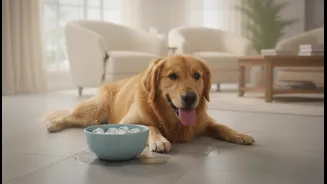
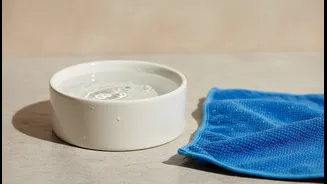
Ensuring your pet drinks enough clean water is the foundation of summer safety. Dehydration dramatically increases the risk of heatstroke. Encourage intake by placing multiple bowls of fresh, clean water around the house, especially in a multi-pet household. Wash the bowls daily to prevent bacterial growth. For picky drinkers, a pet water fountain can make water more appealing, as many cats and dogs are drawn to moving water. Adding a few ice cubes to their main bowl not only keeps the water cool but can also entice them to drink. You can also boost their fluid intake by incorporating wet food into their diet or adding a little water or low-sodium broth to their kibble.
Safe and Effective Cooling Techniques
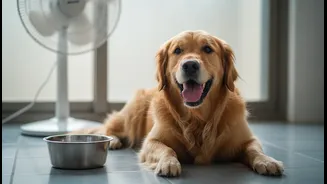
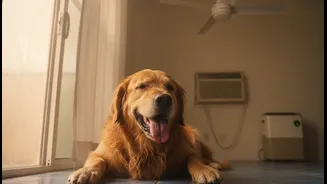
Cooling your pet should be a separate, deliberate act that doesn't rely on them drinking from potentially unsafe sources. One of the most effective methods is creating a cool resting environment with fans, coolers, or air conditioning. Cooling mats, which contain a non-toxic gel that absorbs body heat, offer instant relief without electricity. For dogs, a damp cotton bandana tied loosely around the neck acts like a personal air conditioner during walks. You can also wipe your pet down with a damp towel. For small animals like rabbits or hamsters, place a frozen water bottle wrapped in a towel in their enclosure for them to lie against. Never submerge an overheating animal in ice water, as this can cause shock.
Dangers to Watch Out For
Pet owners must be vigilant about what their animals drink. Never let them drink from puddles, lakes, ponds, or gutters, which can be contaminated with everything from animal waste to toxic blue-green algae. Even water from a garden hose left in the sun can contain harmful chemicals. Chlorinated or saltwater pools are also hazardous if ingested, causing gastrointestinal upset and, in the case of saltwater, severe dehydration. Also, avoid the temptation to share human treats like ice cream, which are unhealthy for pets. Instead, offer pet-safe frozen treats, like frozen bone broth in an ice cube tray.
Recognising the Signs of Heatstroke
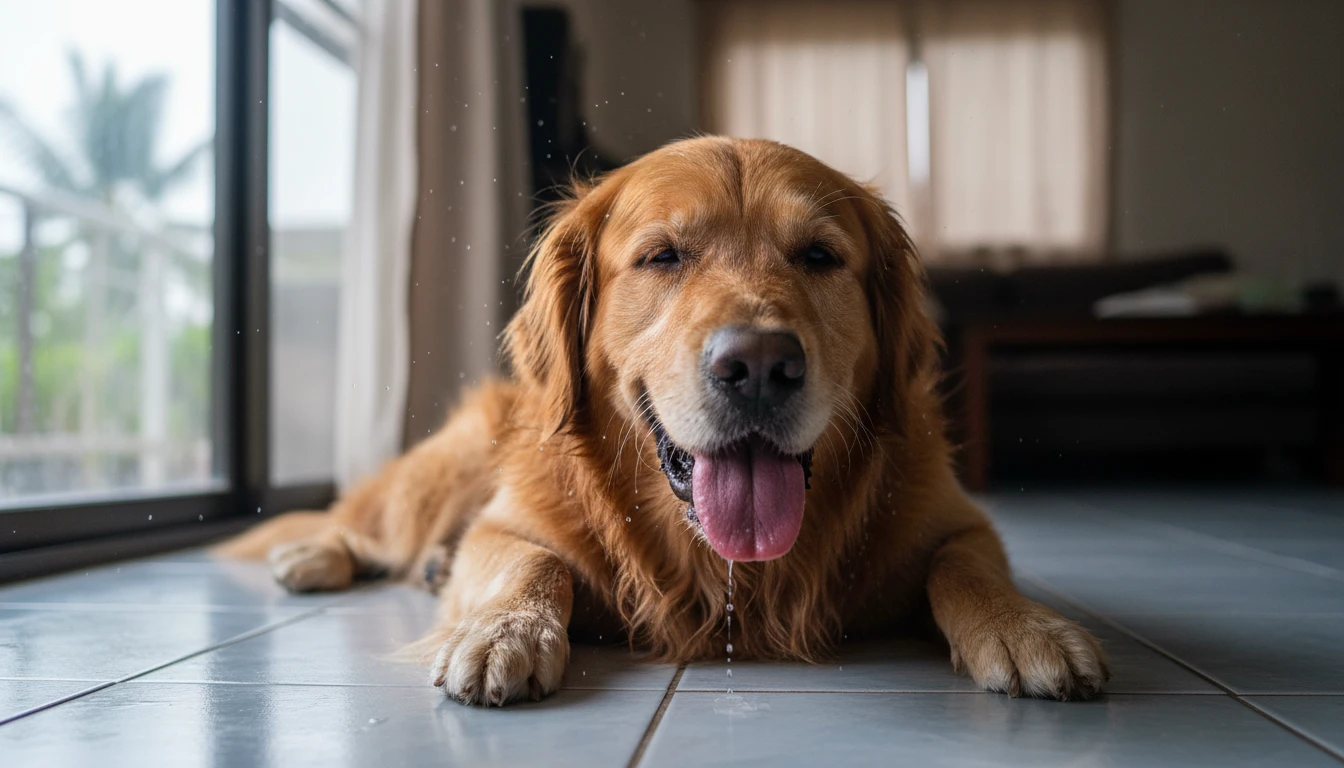
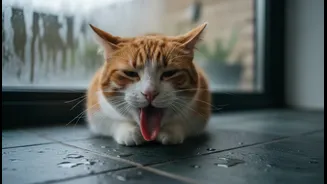
Even with precautions, it's vital to know the warning signs of heatstroke, a life-threatening emergency. The earliest signs include excessive and rapid panting that doesn't slow down, thick drool, and bright red or pale gums. As the condition worsens, your pet may become weak, disoriented, or unable to stand. Vomiting and diarrhoea are also common symptoms. In cats, open-mouthed panting is a particularly alarming sign of distress. If you observe any of these symptoms, move your pet to a cool space immediately, apply cool (not cold) water to their body, and contact a veterinarian right away.