


Choose Your Produce Wisely
Your journey to a safer salad begins at the market. During the monsoon, the risk of contamination on vegetables is higher. Be extra selective when purchasing your greens. Look for produce that is fresh, firm, and free from any cuts, bruises, or signs
of wilting and decay. Damaged spots can harbour harmful microorganisms. Pay special attention to leafy greens; avoid any bunches that look slimy or have yellowing leaves. It’s also wise to buy vegetables in smaller quantities more frequently rather than stocking up for weeks. This ensures you're always working with the freshest possible ingredients, reducing the chance of spoilage in your own fridge.
The All-Important Washing Ritual
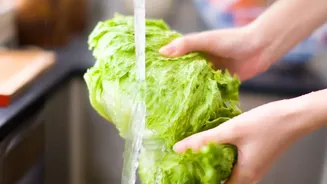
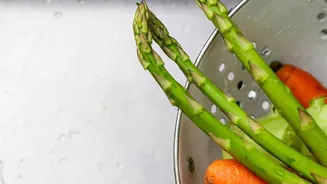
This is the most critical step. Plain running water is effective, but for extra peace of mind during the monsoon, a more thorough method is recommended. Start by washing your hands with soap and water before handling any food. Then, rinse vegetables under clean, running water to remove dirt and debris. For leafy greens, separate the leaves and rinse them individually. For a deeper clean, you can soak your vegetables in a solution of vinegar and water. A ratio of one part white vinegar to three or four parts water is considered safe and can help kill bacteria. Let the vegetables soak for about 5-10 minutes, then give them a final rinse under running water to wash off the vinegar solution. Avoid using any soaps or detergents, as they are not meant for consumption and can leave harmful residues.
Drying Is as Crucial as Washing
Moisture is the enemy of fresh greens and an ally to bacteria. High humidity during the monsoon already puts you at a disadvantage, so getting your vegetables as dry as possible after washing is non-negotiable. A salad spinner is the most efficient tool for this job; you may need to spin the greens in a few batches to get them properly dry. If you don’t have one, you can gently pat the leaves dry with clean paper towels or a dedicated kitchen towel. Spread the greens on a towel, loosely roll it up, and press gently to blot away excess water. Ensure they are thoroughly dry before moving to the next step, as leftover moisture will cause them to become slimy and spoil quickly in the fridge.
Prevent Cross-Contamination in the Kitchen
Maintaining a clean kitchen environment is key to preventing foodborne illnesses. A common mistake is using the same cutting board and knife for raw meat and vegetables. This practice, known as cross-contamination, can transfer harmful bacteria like Salmonella or E. coli from meat to your fresh salad ingredients. Always use separate cutting boards, plates, and utensils for produce and for raw meat, poultry, and seafood. Wash all utensils, boards, and countertops with hot, soapy water after they come into contact with raw meat. When preparing your salad, it's best to chop vegetables right before you plan to eat them to maintain their freshness and nutritional value.
Smart Storage for Lasting Freshness
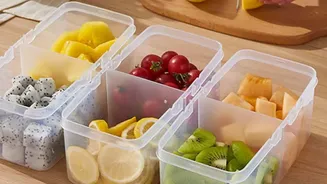
Proper storage is essential to keep your washed and dried greens crisp and safe for consumption. Do not leave cut or prepared salads at room temperature for long periods. For storing washed leafy greens, one of the best methods is to line a large, airtight container with a paper towel. Loosely fill the container with the dry greens, top with another paper towel to absorb any extra moisture, and seal the lid. Store this in the crisper drawer of your refrigerator, which is the coldest part. This method protects the delicate leaves from being crushed and keeps them fresh for several days. Avoid storing greens next to ethylene-producing fruits like apples and bananas, as the gas they release can speed up spoilage.