







The Tyranny of the Checklist
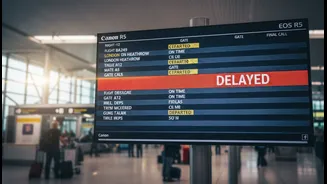
Modern travel often feels like a race against time. Fuelled by perfectly curated social media feeds and extensive 'must-see' lists, we construct itineraries packed from dawn till dusk. This approach, driven by a fear of missing out (FOMO), can turn a much-needed
break into a logistical marathon. Research into vacation psychology shows that this kind of overscheduling is a primary source of travel stress, transforming a holiday into a project to be completed rather than an experience to be savoured. The constant rush between landmarks leaves little room for the very thing we seek: a genuine connection with the place we are visiting. Instead of returning refreshed, we often come back needing a vacation from our vacation.
From Seeing to Experiencing
There is a profound difference between seeing a sight and truly experiencing a place. Ticking a box means you were physically present; experiencing a place means you were mentally and emotionally engaged. A less crowded itinerary creates the space for this to happen. It’s the difference between snapping a quick photo of a famous monument and sitting at a nearby café for an hour, watching the city's rhythm unfold around it. This slower approach, often called 'mindful travel', encourages you to use all your senses. It’s about noticing the small details—the smell of a local bakery, the sound of a foreign language, the texture of a historic wall—that create vivid, lasting memories.
The Joy of Missing Out
To embrace a lighter schedule, we must learn to find the 'Joy of Missing Out', or JOMO. This mindset is a conscious shift away from checklist-driven tourism towards deeper, more intentional experiences. It’s about giving yourself permission to skip a famous, crowded museum if what you truly desire is to wander aimlessly through a quiet neighbourhood. This isn’t about being lazy; it's a strategic choice to trade quantity for quality. By choosing to miss some things, you gift yourself the time and mental space to fully appreciate others. You might discover a hidden garden, strike up a conversation with a local shopkeeper, or stumble upon a festival—moments of spontaneous discovery that are often the most cherished parts of any trip.
How to Build a 'Less Is More' Itinerary
Adopting this philosophy doesn't mean abandoning planning altogether. It’s about planning for space. A good rule of thumb is to schedule only one major activity per day—a museum visit, a hike, or a historical site tour. This becomes the anchor of your day, with the rest of the time left flexible for whatever opportunities arise. Leave entire afternoons unscheduled. Use this time to simply walk in a new area, take public transport, or revisit a spot you enjoyed. Resisting the urge to fill every minute can feel unnatural at first, but it is precisely in these unscheduled gaps that the magic of travel happens. You create room for spontaneity and allow your mood and curiosity to guide you.
The Restorative Power of Slowing Down
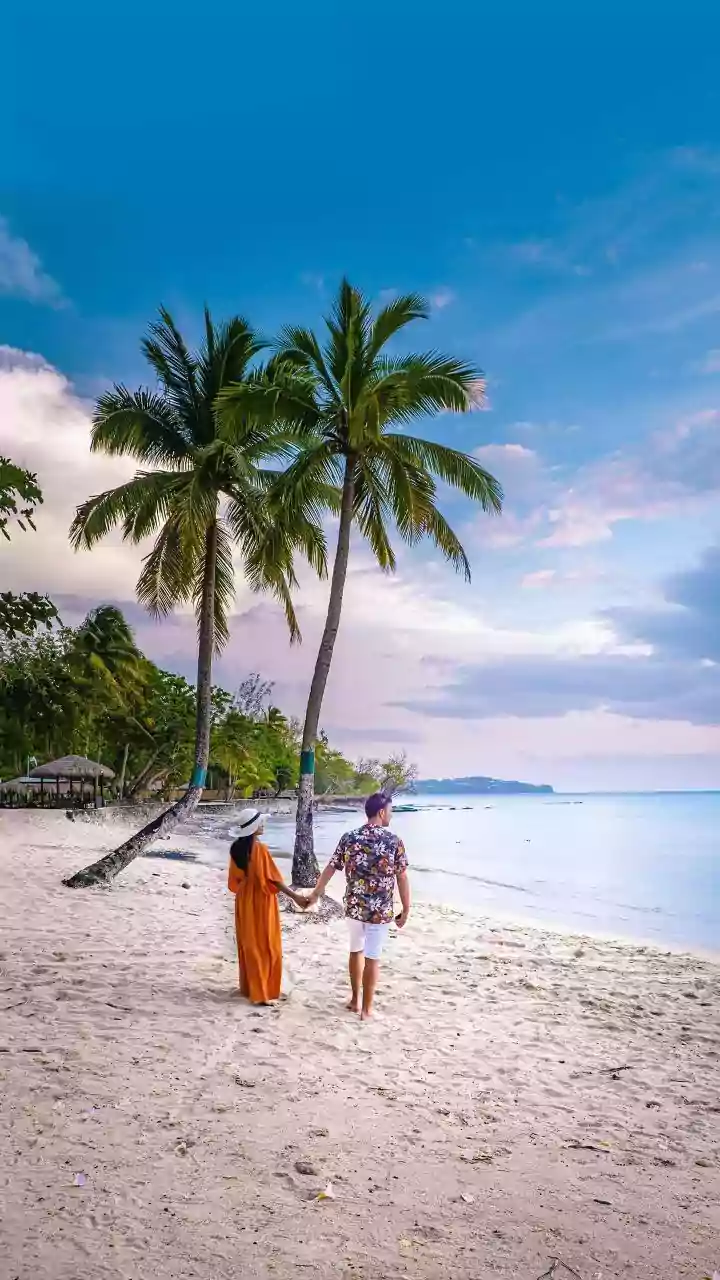
The benefits of a less frantic pace are not just psychological; they are physical. Chronic stress elevates hormones like cortisol, keeping our bodies in a state of high alert. A vacation is meant to disrupt this pattern, but a rushed itinerary can do the opposite. By slowing down, we give our minds and bodies a chance to genuinely unwind. Studies have shown that spending quality time in a new environment, without the pressure of a tight schedule, can decrease anxiety and improve mental well-being. You sleep better, feel less fatigued, and are more present with your travel companions. You are no longer just a tourist passing through, but a guest enjoying the hospitality of a new place.