






The Unsung Hero of Nutrition
For years, dietary fibre was simply called ‘roughage’, a term that suggested its only job was to, well, keep things moving. But that understanding is outdated. Dietary fibre is a type of carbohydrate that the body can't digest. Unlike other carbs, which
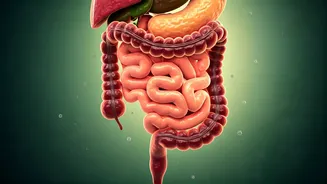
are broken down into sugar molecules, fibre passes through the body relatively intact. This journey, however, is what makes it a powerhouse for our health. It's not just about preventing constipation; it's about fundamentally supporting our body's internal ecosystem in ways we are only just beginning to fully appreciate. Think of it less as a filler and more as a foundational nutrient that supports everything from blood sugar control to heart health.
Why Is Fibre Trending Now?
The rise of fibre represents a major shift in nutritional philosophy. For decades, diet trends were defined by restriction: low-fat, low-carb, no-sugar. The focus was on what to *remove* from your plate. Today, the conversation has pivoted towards what to *add*. This more positive, inclusive approach champions nutrient density, and fibre is its star player. The growing public interest in gut health and the microbiome is a huge driver of this trend. Scientific research has illuminated the powerful link between a healthy gut and overall well-being, including immunity, mood, and inflammation. Since fibre is the primary food for our beneficial gut bacteria, it has been elevated from a background player to the main event in modern wellness.
Soluble vs. Insoluble: A Tale of Two Fibres
Not all fibre is created equal. To get the full range of benefits, you need both soluble and insoluble fibre. Think of them as a team working together.
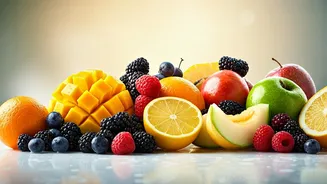
Soluble fibre dissolves in water to form a gel-like substance in your digestive tract. This 'gel' slows down digestion, which helps you feel fuller for longer and helps control blood sugar spikes. It's also known for its ability to help lower LDL ('bad') cholesterol. Great sources include oats, barley, apples, citrus fruits, carrots, and legumes like beans and lentils.
Insoluble fibre does not dissolve in water. Think of it as a 'broom' for your digestive system. It adds bulk to stool and helps promote regularity, moving material through your system and preventing constipation. You can find it in whole-wheat flour, nuts, cauliflower, green beans, and potatoes.
Fibre-Rich Foods in the Indian Diet
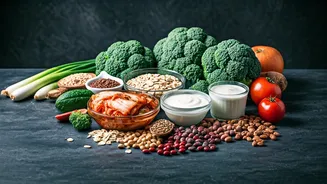
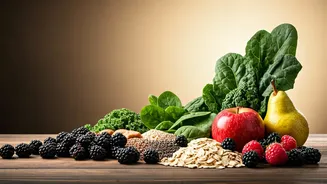
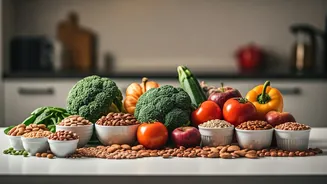
The good news is that a traditional Indian diet is naturally rich in fibre, if you know where to look. Many staples of our cuisine are fantastic sources. Legumes are a cornerstone; dals like moong, masoor, and chana are packed with soluble fibre. Millets such as jowar, bajra, and ragi are excellent whole grains that provide a hefty dose of insoluble fibre. When it comes to vegetables, you're spoilt for choice. Leafy greens like spinach (palak) and fenugreek (methi), as well as gourds and beans (guar), are all excellent. Don't forget the fruits! Guava, pear, and apples (with the skin on) are fantastic, easy-to-find options for a fibre boost.
Simple Swaps to Increase Your Intake
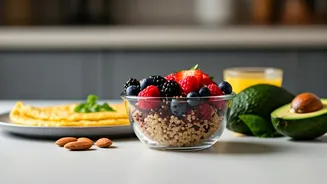
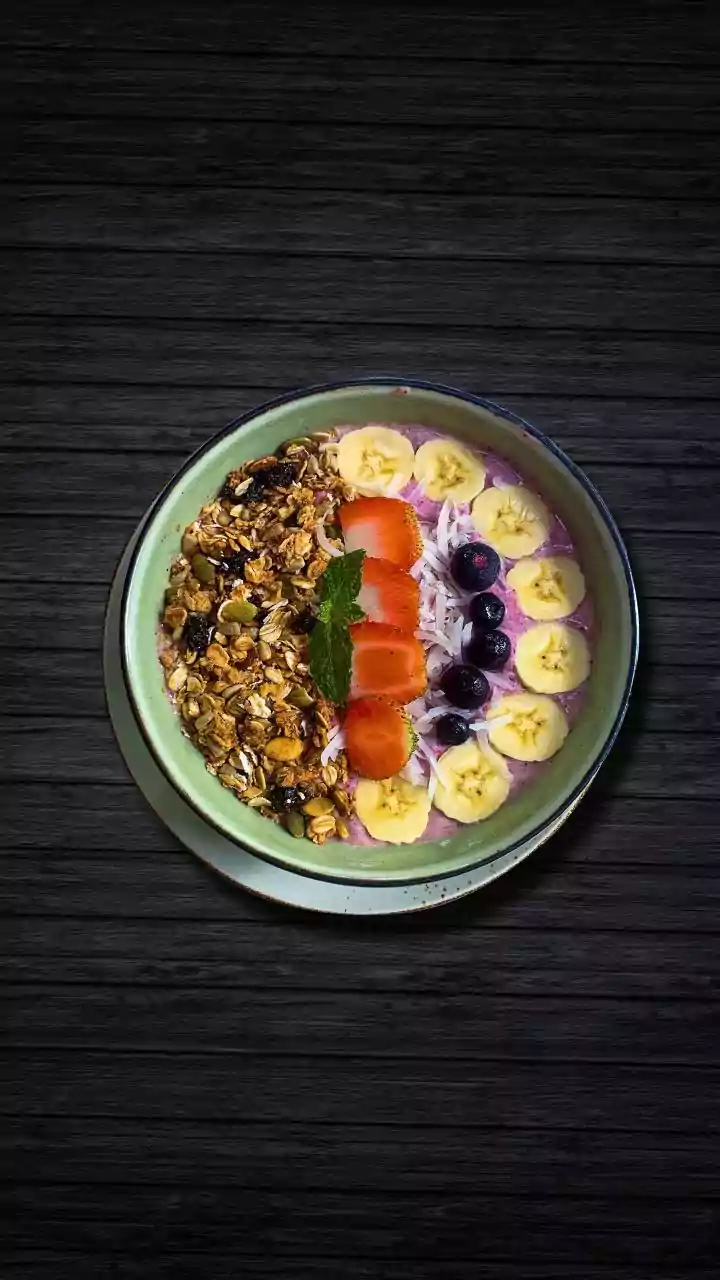
Boosting your fibre intake doesn't require a radical diet overhaul. Small, consistent changes can make a huge difference. Start your day with a bowl of oatmeal or a millet-based porridge instead of a processed cereal. When making rotis or chapatis, try using wholewheat flour (atta) or a multi-grain blend. Make it a habit to add a handful of beans or chickpeas to your salads and sabzis. For snacks, ditch the packaged chips and reach for a handful of nuts like almonds or walnuts, or some seeds like flax or chia. Another simple trick is to eat your fruits and vegetables with their skin on whenever possible, as a lot of the fibre is concentrated there.