


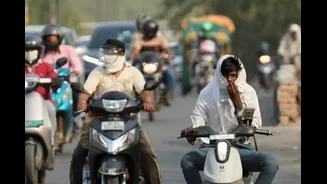
A Sharp Turn for the Worse
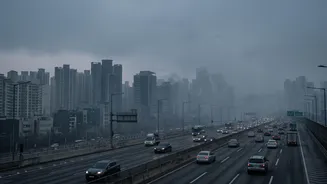
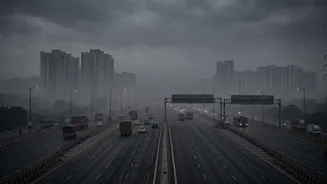
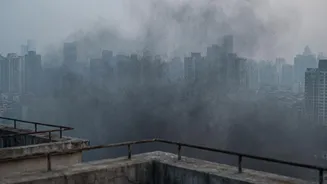
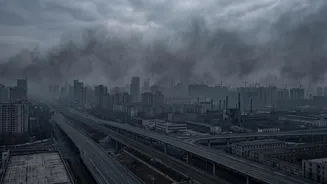
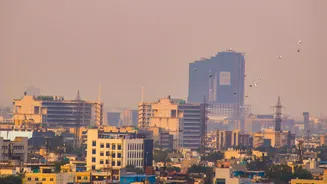
The change was abrupt. On Tuesday, October 20, Delhi’s AQI was recorded at 179, which falls within the 'moderate' range. By Wednesday afternoon, it had jumped to 244, firmly in the 'poor' category, and continued to hover there into Thursday morning. An
AQI between 201 and 300 is classified as 'poor' and can cause breathing discomfort to most people upon prolonged exposure. Some areas of the city fared even worse, with hotspots like Jahangirpuri and Chandni Chowk tipping into the 'very poor' category with AQI readings over 300.
A Familiar Mix of Culprits
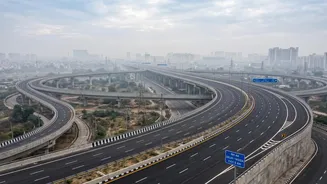
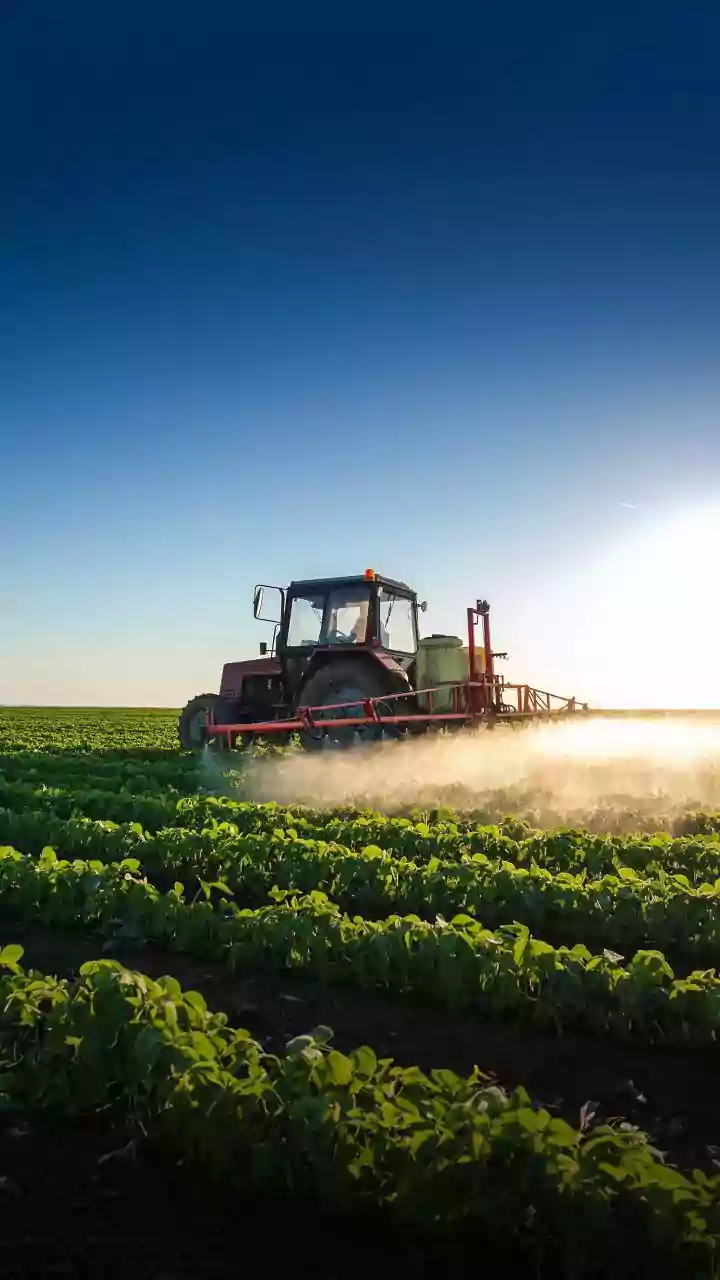
The deterioration is not caused by a single factor but a combination of changing weather and rising pollution sources. As temperatures drop and wind speeds fall, a phenomenon known as temperature inversion traps pollutants close to the ground, preventing them from dispersing. This annual weather pattern coincides with the increased burning of paddy stubble in neighbouring states like Punjab and Haryana. The contribution from farm fires to Delhi's pollution, which stood at around 8% on Wednesday, was forecast to rise to over 13% by Thursday and potentially higher in the coming days. Local sources remain a major problem, with vehicular emissions being the single largest contributor within the city, followed by industrial and residential pollution. The burning of effigies during recent Dussehra celebrations may have also contributed to the overnight spike in pollutants.
What 'Poor' Air Means for Your Health
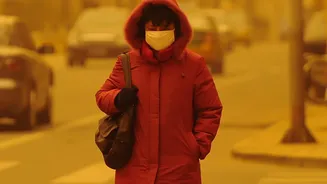
Breathing 'poor' quality air is a significant health risk, particularly for vulnerable populations such as children, the elderly, and individuals with existing respiratory or cardiac conditions. Exposure can lead to immediate symptoms like coughing, chest tightness, shortness of breath, and irritation in the eyes and throat. For those with asthma or bronchitis, these conditions can trigger more severe attacks. Doctors advise residents to minimize strenuous outdoor activities, especially during the early morning and evening hours when pollution levels are often at their peak. Using N95 masks when outdoors can help filter out fine particulate matter (PM2.5), the most dangerous of the pollutants, which can lodge deep within the lungs and enter the bloodstream.
Authorities Enforce GRAP Stage 1
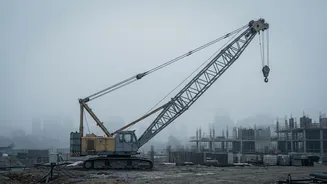
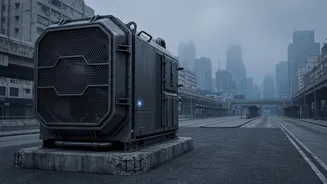
In response to the worsening air, the Commission for Air Quality Management (CAQM) invoked Stage 1 of the Graded Response Action Plan (GRAP) across the National Capital Region. This is a set of emergency measures that trigger automatically when the AQI enters the 'poor' category. Under Stage 1, there is a strict ban on construction and demolition activities at sites larger than 500 square metres, an enforcement of dust control measures like water sprinkling, and restrictions on the use of coal and firewood in restaurants and eateries. Use of diesel generator sets is also prohibited, with exceptions for essential services. To encourage less traffic, the Delhi Metro announced it would run 20 additional train trips on weekdays. Environment officials noted that while the implementation of GRAP was necessary, it occurred later in the year compared to previous years, suggesting some preventive measures may have helped delay the onset of severe pollution.