





The Ancient Pulse Making a Modern Comeback
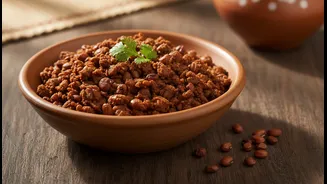
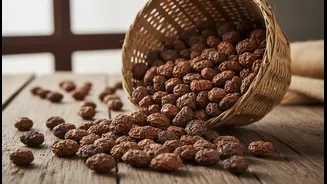
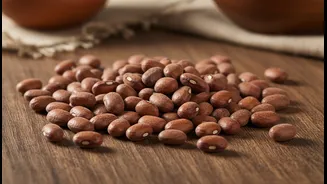
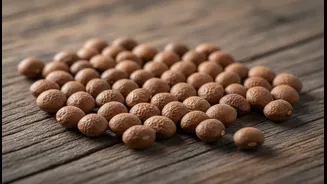
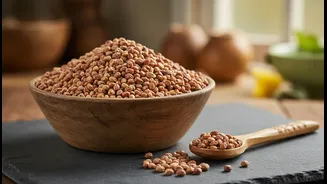
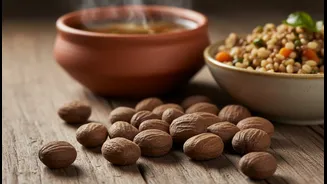
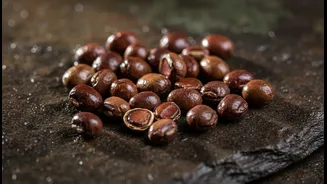
Known as kulthi dal in Hindi and kollu in Tamil, horse gram (Macrotyloma uniflorum) is one of India's most resilient and protein-rich lentils. For centuries, it was a staple in rural and agrarian communities, valued for its ability to thrive in dry conditions
where other crops might fail. Its English name comes from its historical use as a high-energy feed for cattle and racehorses. Today, a renewed interest in sustainable crops and heritage foods is bringing horse gram back into the spotlight. Wellness communities and chefs are rediscovering this lentil, not just for its earthy flavour but for its impressive nutritional credentials that were long overlooked.
A Nutritional Powerhouse
The renewed excitement around horse gram is well-founded. It boasts one of the highest protein contents among lentils, with about 22 grams of protein per 100-gram serving. It is also an excellent source of dietary fibre, which aids digestion and promotes a feeling of fullness. Furthermore, it is rich in essential minerals like iron, calcium, and phosphorus. In fact, horse gram contains more calcium than most other pulses, making it a valuable addition to plant-based diets for supporting bone health. Its low-fat profile and complex carbohydrates make it a food that provides sustained energy.
How to Incorporate Horse Gram Into Your Diet
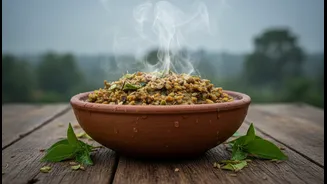
Horse gram is versatile, but it requires proper preparation. The seeds are tough and must be soaked, ideally overnight, before cooking. This not only softens them but also helps reduce anti-nutrients like phytic acid, making them easier to digest. After soaking, you can pressure cook them until tender. The cooked legume retains a pleasant bite and can be used in numerous ways. In South India, it is famously used to make 'kollu rasam', a peppery and comforting soup. You can also add boiled horse gram to salads, use it to make a simple dal, or grind it into flour to be mixed with other flours for rotis and chillas. Sprouted horse gram is another popular option, often used in salads and curries.
Checklist: What to Know Before You Buy and Cook
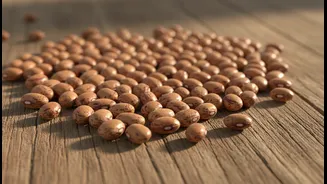
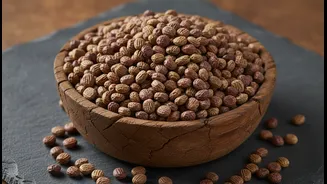
Before you add horse gram to your pantry, here’s what to consider. First, always inspect the grains for quality. They should be uniform in colour and free from stones, debris, and signs of pests. When cooking, never skip the soaking step. Soaking for at least eight hours or overnight is crucial for both texture and digestibility. Due to its dense nature, horse gram takes longer to cook than many other dals, so using a pressure cooker is highly recommended to save time and energy. Even after cooking, the beans tend to hold their shape rather than turning into a soft mush, which is part of their unique character.
A Word of Caution: Who Should Be Mindful
While incredibly nutritious, horse gram isn't for everyone, and moderation is key. According to Ayurveda, it is considered a 'heating' food, and overconsumption may cause discomfort for some individuals. It also contains specific carbohydrates that can cause gas and bloating in some people, especially when first introducing it to your diet. People with a tendency for gout should be cautious due to its potential to increase uric acid. Due to its heating properties, pregnant women are often advised to avoid it. If you have any underlying health conditions, such as diabetes or kidney issues, it is always best to consult with a doctor or a nutritionist before making it a regular part of your diet.