





More Than a Rainy Day
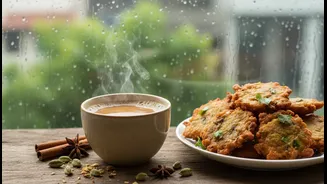
That familiar craving isn't just a coincidence. When it rains, the lack of sunlight can cause a dip in serotonin, our natural mood-booster and appetite suppressant. In response, our brain seeks out carbohydrates and fats, which help produce more serotonin, leading
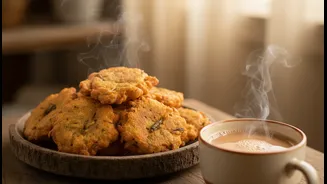
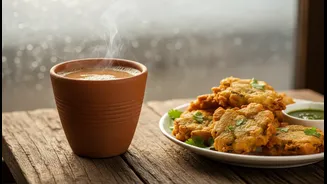
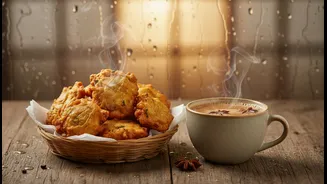
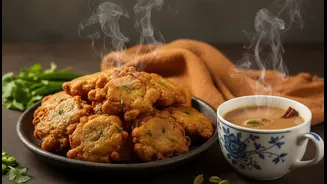
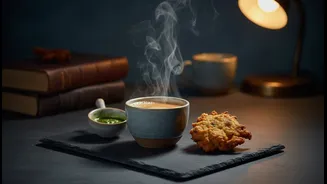
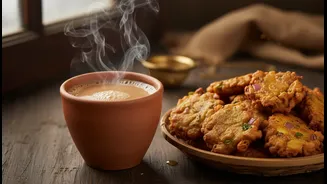
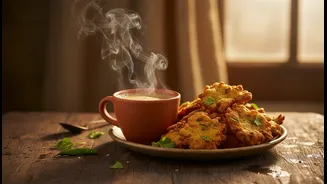
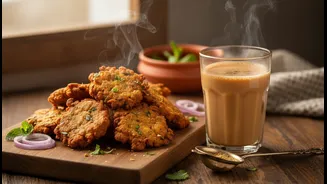
to that intense desire for comforting, fried foods. Furthermore, the cool, damp weather makes us subconsciously crave foods that provide warmth from the inside out. A hot cup of chai and freshly fried pakoras are the perfect antidote to the gloom, offering both physical warmth and a psychological lift. The combination triggers the release of dopamine, the brain's pleasure chemical, creating a powerful feeling of well-being that we learn to associate with rainy days.
The Ritual of Comfort
The pull of chai and pakoras goes beyond simple brain chemistry; it is a ritual deeply embedded in our cultural fabric. The process itself is part of the appeal: the sound of ginger being crushed, the sizzle of batter hitting hot oil, the fragrant aroma of spices simmering in the chai. These sensory cues become part of a repeated sequence that the brain anticipates year after year. Offering chai to guests is a fundamental gesture of hospitality in India, a way to foster connection and conversation. When shared with family and friends while watching the rain, this act transforms a simple snack into a cherished tradition, reinforcing bonds and creating a sense of belonging. It’s a collective experience, a shared cultural script that plays out in households across the country, solidifying its status as an unofficial monsoon uniform.
A Symphony of Textures
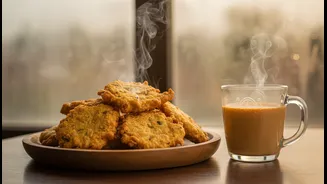
A key reason this pairing is so satisfying lies in its textural contrast. Our brains are wired to seek variety in what we eat; a meal with multiple textures is inherently more engaging and enjoyable. The pakora offers a perfect example: a crispy, irregular exterior giving way to a soft, steamy interior. Paired with the smooth, liquid warmth of the chai, it creates a dynamic sensory experience. This contrast prevents 'palate fatigue' and makes each bite feel interesting. The sound of the crunch, the feeling of warmth, and the savoury taste all combine to send powerful signals of satisfaction to the brain. This multi-sensory engagement elevates the act of eating from simple nourishment to a source of genuine pleasure.
The Power of Sensory Memory
Perhaps the most powerful element of the chai-pakora craving is its connection to memory. Food is a potent carrier of personal history and nostalgia. The specific aromas—of besan, spices, ginger, and cardamom—are deeply linked to our memories. One whiff can transport us back to our childhood kitchens, to moments of comfort, family, and safety. This is known as sensory memory, where smells and tastes evoke powerful emotional responses by triggering parts of the brain associated with memory and emotion. For many, the flavour of chai and pakoras is intertwined with memories of being cared for, of traditions passed down through generations, and of the simple joy of a rainy afternoon spent at home. The craving, then, is not just for a food, but for the feelings and memories it represents.