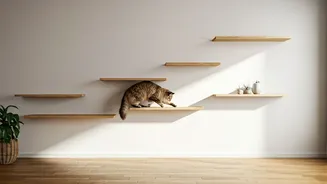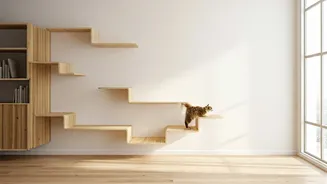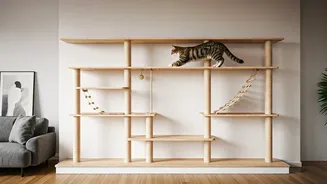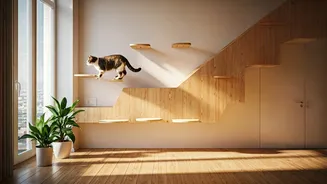



Why Go Vertical? The Feline Perspective
For cats, height is not a luxury; it's a necessity rooted in instinct. In the wild, vertical spaces offer safety from predators and a prime vantage point for surveying territory. Domestic cats retain these instincts. A multi-tiered wall setup, often called
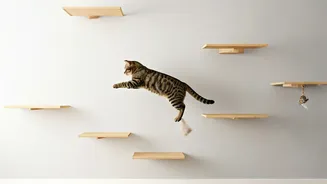
'catification', provides them with a secure place to rest, play, and observe their indoor kingdom. It taps into their natural desire to climb and explore, offering crucial physical exercise and mental stimulation. For shy or anxious cats, having an elevated escape route can be a game-changer, building confidence and reducing stress. In multi-pet households, vertical territory helps establish hierarchy and gives cats their own space, preventing conflicts over floor-level resources.
Planning Your Cat's Kingdom
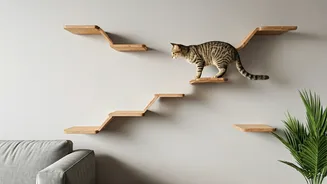
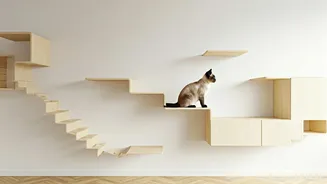
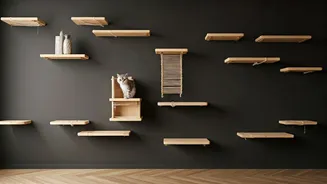
Before you start drilling, take a moment to plan. Observe your cat. Is she a bold leaper or a cautious climber? An older cat may need shelves that are closer together and wider, while a young, energetic kitten can handle more challenging gaps. The ideal layout should have a natural flow, with multiple entry and exit points so your cat never feels trapped. Think of it as creating a 'cat highway'. Start with a low entry point, like a small shelf near a sofa or a cat tree, and build upwards. The path should lead to a desirable destination, such as a comfortable perch with a view out the window or a cosy hammock in a quiet corner. Sketch your design on paper, keeping in mind the location of wall studs for secure mounting.
The Building Blocks: Shelves, Perches, and Bridges
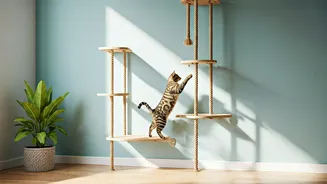
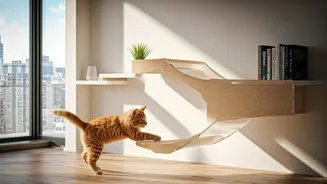
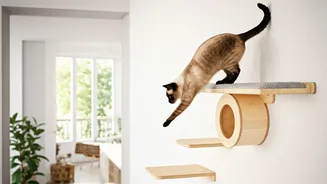
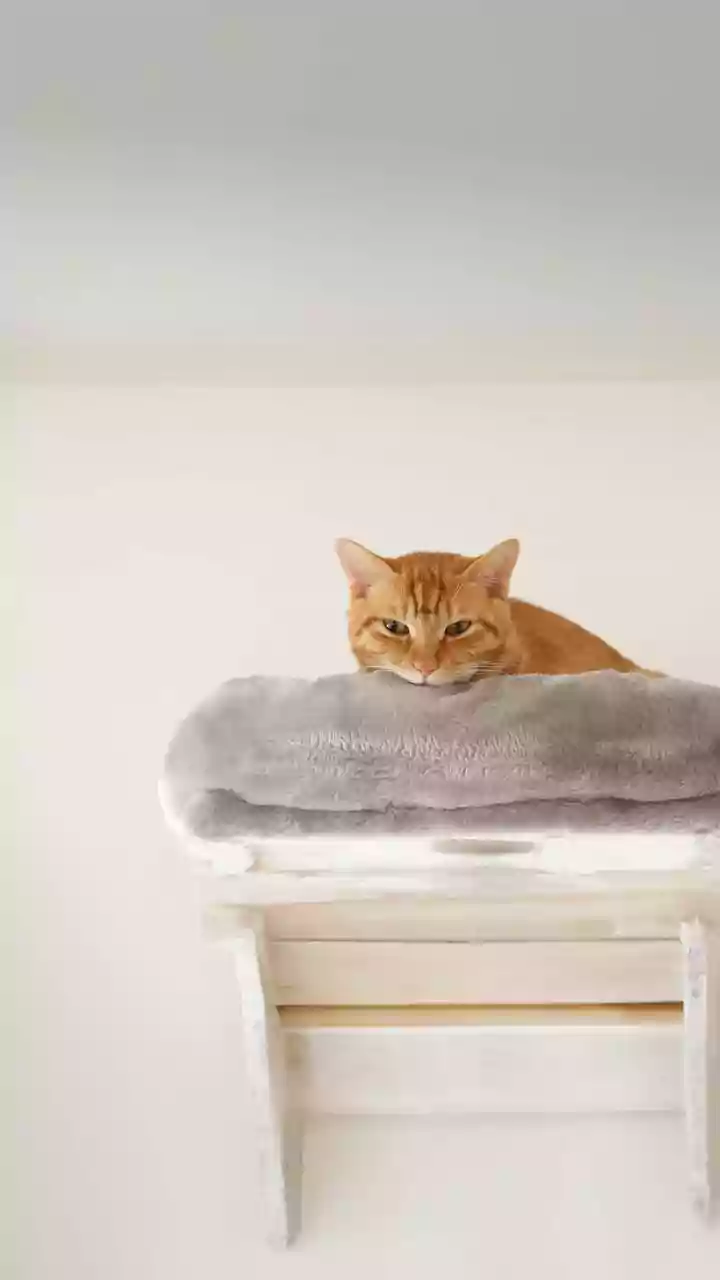
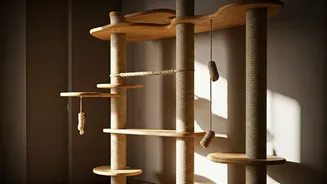
The fun part is choosing the components. You can find complete pre-made kits online or mix and match individual pieces to create a custom look. The core elements include: * **Shelves and Perches:** These are the basic steps of your cat's vertical world. Opt for shelves that are deep enough for your cat to lounge on comfortably. Many come carpeted or with soft fabric covers for added comfort and grip. * **Bridges:** Rope or solid wood bridges add an element of adventure, connecting two separate shelves. They challenge your cat's balance and coordination, making the journey more engaging. * **Hammocks:** Wall-mounted hammocks are the ultimate luxury destination. These soft, curved beds provide a secure and incredibly comfortable spot for napping. * **Scratching Posts:** Incorporate vertical or angled scratching surfaces into your design. Placing a scratching post at the beginning of the route encourages your cat to use it before starting their climb.
Installation: Safety is Non-Negotiable
A poorly installed cat shelf is a serious hazard. The golden rule is to always anchor shelves into wall studs. A stud finder is an inexpensive and essential tool for this job. Drywall alone is not strong enough to support the weight of a cat, especially one that is jumping and landing with force. Use the hardware that comes with your shelves, or purchase high-quality wall anchors and screws rated for significant weight. Double-check that every piece is level and securely fastened before you let your cat explore. Gently but firmly push on each component to test its stability. Remember to consider the maximum weight the shelves can hold, especially if you have multiple cats who might use them at the same time.
Blending Function with Style
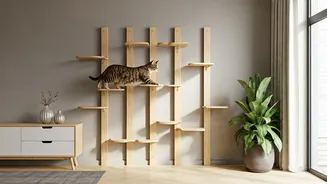
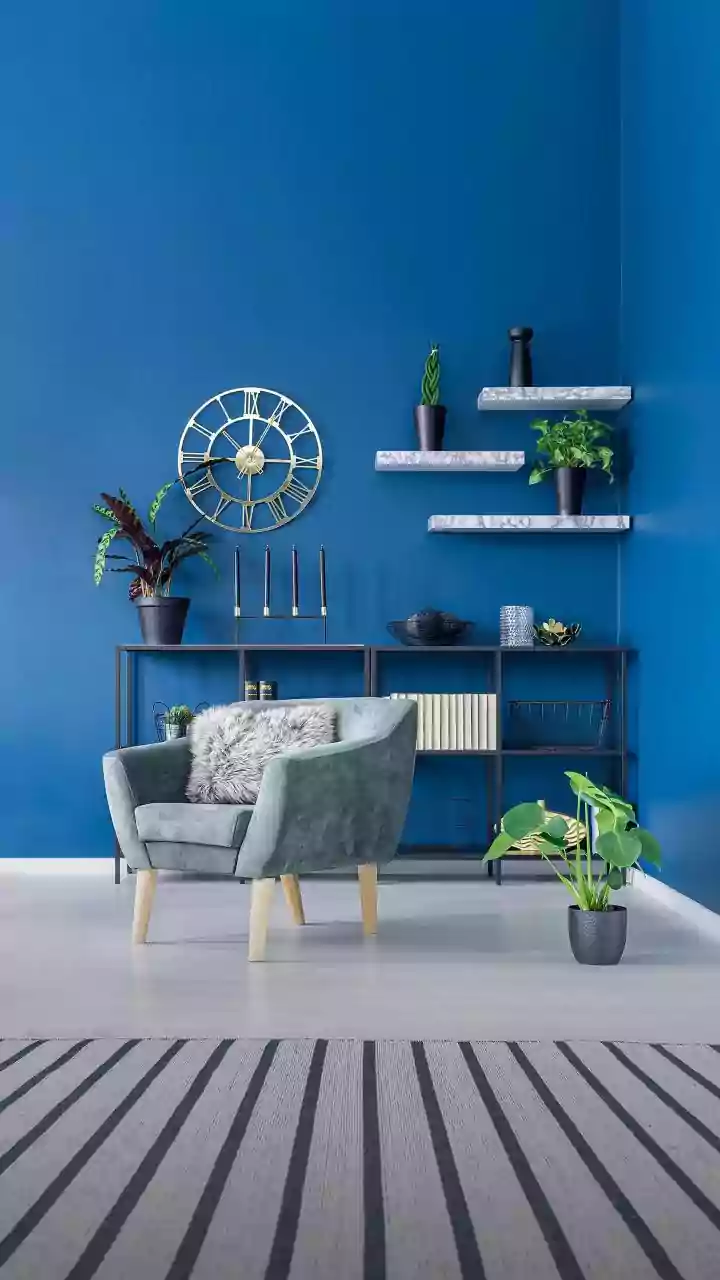
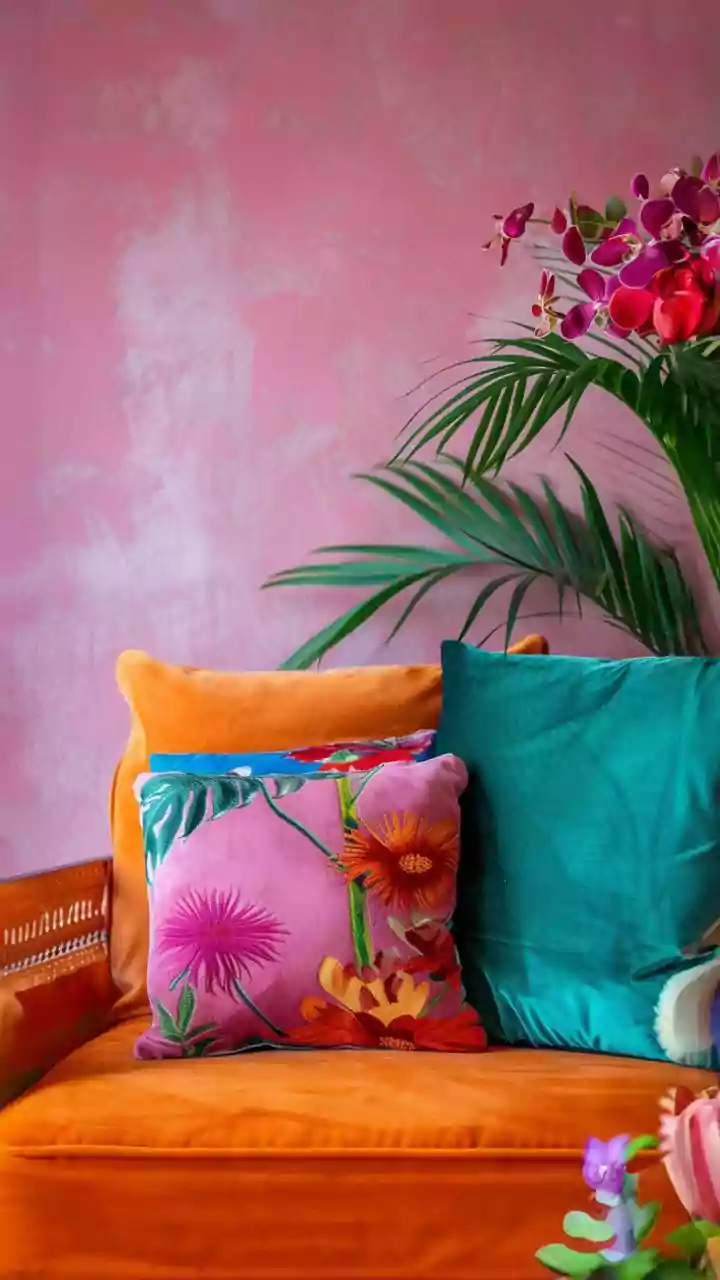
A cat arena doesn't have to scream 'crazy cat person'. With thoughtful choices, it can become a stylish feature of your home. Choose materials and colours that complement your existing decor. Floating shelves in natural wood tones can create a modern, minimalist look. If your style is more bohemian, consider shelves with woven fabric elements or a rustic rope bridge. You can paint brackets to match your wall colour, making them less obtrusive. Arranging the shelves in a geometric or artistic pattern can turn the entire setup into a piece of functional wall art. The goal is to create a space that both you and your cat will love to look at and use.