







The Allure of the 'Healthy' Label
In a world where we are increasingly conscious of our sugar intake, front-of-pack claims are powerful magnets. Words like 'diet', 'light', 'zero sugar', and 'natural' create a health halo, making us feel good about our choices. We reach for these products
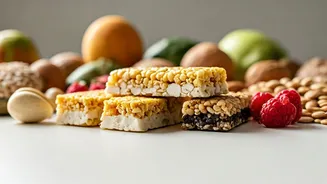
assuming they are unconditionally better for us. However, these claims often tell only part of the story. A product might be low in sugar but high in sodium or unhealthy fats. The reality is that the most important information isn't in the big, bold letters on the front; it's in the fine print on the back.
'Sugar-Free' vs. 'No Added Sugar'
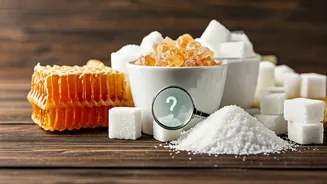
This is one of the most common points of confusion for shoppers. According to the Food Safety and Standards Authority of India (FSSAI), these terms have very specific meanings. A 'Sugar-Free' product must contain less than 0.5 grams of total sugars per serving. However, to make it taste sweet, manufacturers often use substitutes like sugar alcohols or artificial sweeteners. On the other hand, 'No Added Sugar' means no sugar was added during processing. This does not mean the product is free from sugar. A fruit juice with this label, for example, can still be packed with naturally occurring sugars from the fruit itself. A third, less common term is 'Unsweetened,' which means the product has no added sugars, sugar alcohols, or artificial sweeteners at all.
A Field Guide to Common Sweeteners
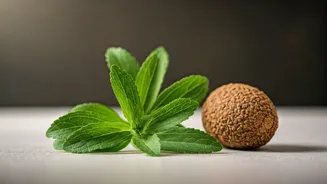
When you see 'sugar-free', it means another sweetening agent is present. These generally fall into three camps. First are the artificial sweeteners like Aspartame and Sucralose, common in diet sodas and tabletop sweeteners. They offer intense sweetness with zero calories. Second are sugar alcohols, whose names often end in '-ol', such as Erythritol, Sorbitol, and Xylitol. Found in sugar-free chewing gum and diabetic-friendly sweets, they have fewer calories than sugar but are not calorie-free. Consuming them in large amounts can sometimes lead to digestive discomfort. Third are the so-called 'natural' sweeteners like Stevia and Monk Fruit. Derived from plants, they are zero-calorie and popular in the health and wellness community.
Is 'Natural' Really Better?
The term 'natural' on a sweetener label can be misleading. While sweeteners like stevia and monk fruit originate from plants, they are not used in their raw leaf form. They go through significant processing and extraction to become the powdered or liquid products we buy. While they are generally considered safe and do not spike blood sugar levels, the 'natural' tag does not give you a free pass to consume them without limit. Health authorities maintain that all sweeteners, regardless of their origin, should be consumed in moderation. Their purpose is to help reduce overall sugar intake, not to be a primary part of the diet.
How to Be a Smarter Shopper
Navigating the world of sweeteners doesn't have to be a headache. The first rule is to always turn the package over. Ignore the flashy claims on the front and read the complete list of ingredients on the back. This is where companies must list everything in the product, including the specific type of sweetener used. Pay attention to the order; ingredients are listed by quantity, from highest to lowest. Also, check the nutritional information panel to understand the total carbohydrates and the serving size. A product might seem low in sugar per serving, but the suggested serving size may be unrealistically small. Being an informed consumer means looking past the marketing and understanding the full picture of what you are eating.