

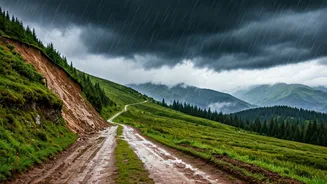


Why Monsoon Treks Demand Extra Caution
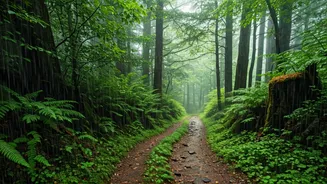
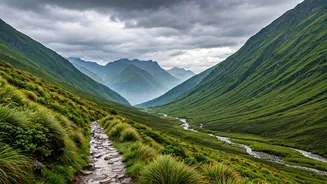
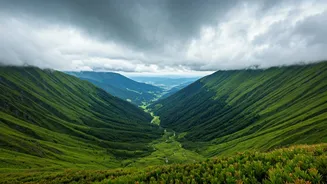
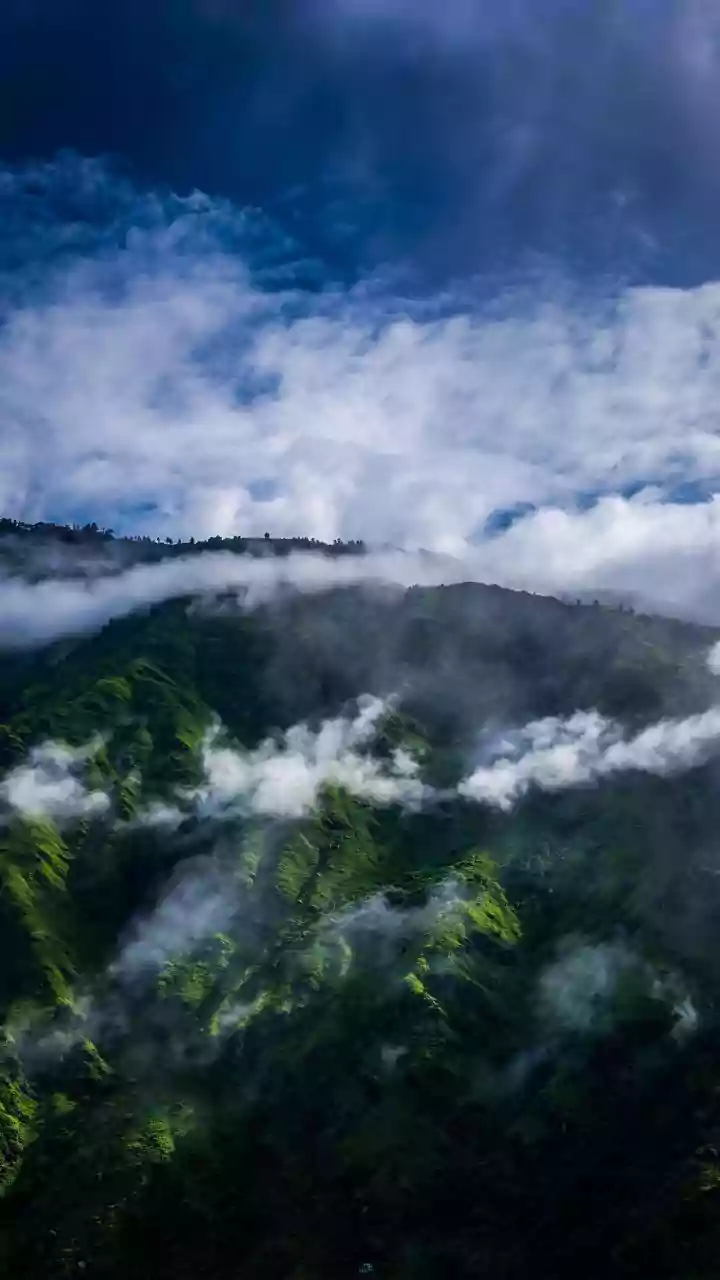
The magic of a monsoon trek—misty valleys, roaring waterfalls, and vibrant flora—is undeniable. However, the same rains that create this paradise also introduce significant hazards. Trails become extremely slippery, visibility can drop to near zero in minutes
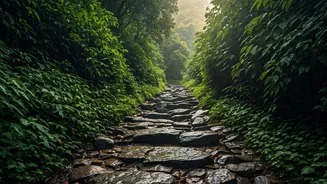
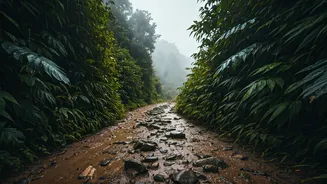
due to fog, and the risk of landslides and flash floods is a constant reality. Every year, accidents occur due to trekkers underestimating these conditions, sometimes venturing under waterfalls or near strong currents without realising the danger. Experts warn that social media often romanticises the experience, hiding the real challenges of navigating wet, unpredictable terrain. The difference between a memorable adventure and a dangerous situation lies in acknowledging these risks and preparing for them meticulously.
Choosing the Right Trail is Your First Safety Check
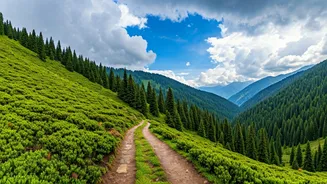
Not all trekking routes are suitable for the monsoon. Many popular trails in the Himalayas become inaccessible or too dangerous due to heavy rain and the potential for landslides. The key is to select trails that are known to be safe during the rainy months. Treks like the Valley of Flowers in Uttarakhand, Sinhagad Fort in Maharashtra, and Hampta Pass in Himachal Pradesh are often recommended because they have well-marked paths and are managed by local authorities or experienced operators. Before finalising any plan, it is crucial to research the route, check the latest weather forecasts from sources like the Indian Meteorological Department (IMD), and consult with local guides or trekking organisations. Some forest trails may be officially closed, so always verify permits and current conditions. Never trek alone during the monsoon and always inform a friend or family member of your detailed itinerary.
Gear That Goes Beyond the Basics
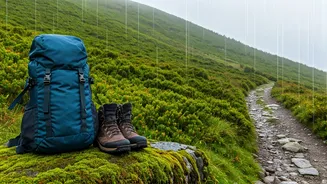
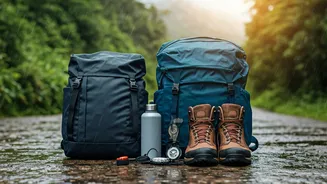
Your standard trekking kit needs a serious upgrade for the monsoon. While a rain jacket or poncho is obvious, effective waterproofing is a multi-layered system. Use a high-quality rain cover for your backpack and line the inside with a waterproof pack liner or heavy-duty plastic bags to keep your clothes and essentials completely dry. Quick-dry clothing made from synthetic materials is non-negotiable; avoid cotton as it retains moisture and can lead to hypothermia. Your footwear is your most critical piece of gear. Regular sports shoes are inadequate. You need waterproof trekking boots with deep-grip gum or Vibram soles for traction on slippery rocks and mud. Also, pack leech-proof socks for forested trails, trekking poles for stability, and a head torch with spare batteries, as the weather can drain them faster.
On-Trail Smarts: How to Navigate Safely
Once you're on the trail, a different mindset is required. Start your trek early in the day, as monsoon showers tend to intensify in the afternoon, often accompanied by fog that reduces visibility. On the trail, every step should be intentional. Test your footing on mossy rocks or wet slopes before putting your full weight down. Pay attention to your surroundings; a sudden increase in the speed or muddiness of a stream can be a sign of a flash flood upstream. Carry a basic first-aid kit equipped for monsoon-specific issues, including antiseptic for cuts, bandages for blisters, and ORS for dehydration. Knowing when to turn back is a sign of an experienced trekker, not a failed one. If weather conditions deteriorate or the trail seems too risky, do not hesitate to cancel or reroute.