



Beyond the Textbook
For years, environmental education was often confined to a single chapter on pollution or a diagram of the water cycle. It was abstract, distant, and easily forgotten after the exam. That model is changing. Today, effective environmental education is practical,
local, and hands-on. It’s less about memorising the names of endangered species in the Amazon and more about understanding the fragile ecosystem of a neighbourhood lake, tracking the journey of household waste, or learning about the water crisis in a nearby village. This shift from passive learning to active engagement is crucial. By connecting global issues to local realities, educators are making the environment a personal and urgent matter for students. The goal is no longer just awareness, but agency—the belief and the tools to make a difference right where you are.
The Eco-Club Revolution
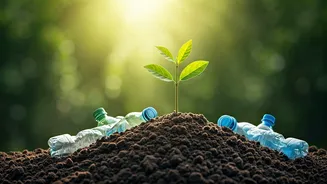
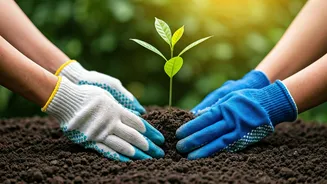
One of the most powerful examples of this shift is the proliferation of 'Eco-Clubs' in schools across the country, many established under the Ministry of Environment's National Green Corps (NGC) programme. These are not just after-school hobby groups; they are incubators for action. In one school, an Eco-Club might organise a massive plantation drive, greening a barren patch of land. In another, students might take on the challenge of making their campus plastic-free, conducting waste audits and convincing the canteen to switch to sustainable alternatives. These clubs provide a framework for students to identify a local problem, research solutions, and execute a plan. They learn about project management, community mobilisation, and the satisfying results of collective effort. A simple initiative, like starting a composting pit for the school's organic waste, teaches complex lessons about circular economies and nutrient cycles in a way no textbook ever could.
From Students to Stewards
The impact of this education extends far beyond the school gates. When students learn about the harmful effects of chemical pesticides, they bring that knowledge home to their family farms. When they understand the importance of waste segregation, they become champions for the practice in their own housing societies, patiently explaining the 'why' behind the 'what'. We see this in the numerous community clean-up drives led by young people, inspired by a lesson or a school project. These students transform from learners into community stewards. They are the ones organising rallies to save a local park from development, using social media to document illegal dumping, or creating apps to connect waste pickers with households. This ripple effect is perhaps the most significant outcome: education empowers a single student, who then goes on to educate and mobilise their entire community.
Cultivating Long-Term Change
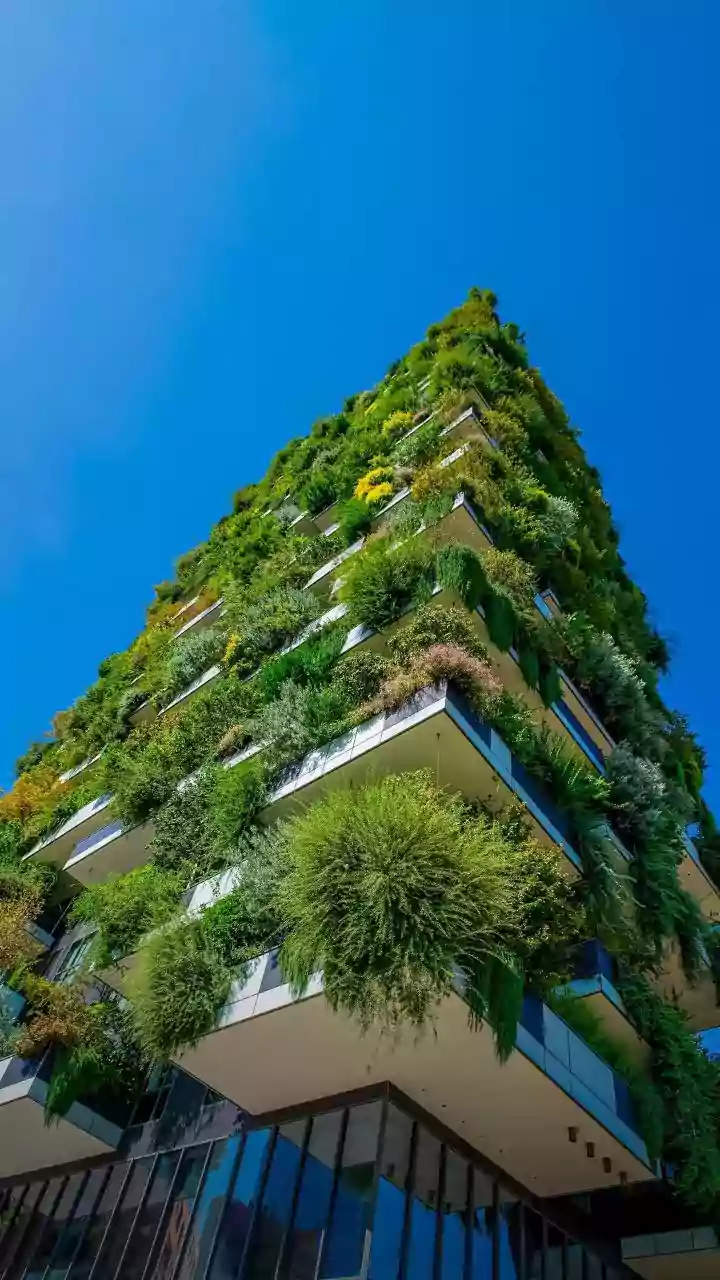
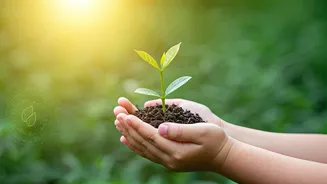
While immediate actions like planting trees and cleaning beaches are visible and inspiring, environmental education is also planting seeds for deeper, systemic change. It is fostering a generation that is environmentally conscious not just in its actions, but in its aspirations and career choices. Today, more young Indians are pursuing careers in renewable energy, sustainable agriculture, environmental law, and policy-making. They are building startups focused on creating biodegradable packaging, water-saving technologies, and upcycled fashion. This is the long-term payoff. The classroom lessons on climate change are now translating into boardrooms where sustainability is prioritised. The school projects on biodiversity are inspiring future scientists and conservationists. This education ensures that the next generation of leaders, innovators, and citizens will have environmental stewardship built into their DNA.